.png)
Journalists face burnout amid nonstop news cycle
JournalismPakistan.com | Published: 5 January 2026 | JP Special Report
Join our WhatsApp channel
Persistent stress in the 24/7 news cycle is driving high burnout rates among journalists, impacting mental health, job satisfaction, and newsroom sustainability.Summary
ISLAMABAD — Persistent stress from the nonstop 24/7 news cycle is driving increasing rates of burnout among journalists around the world, according to multiple recent surveys and industry research. Journalists report heavy workloads, long hours, and constant connectivity as major contributors to burnout, challenging newsrooms to support staff well-being while maintaining coverage demands.
Workload pressures affect journalists across beats
Journalists say stress levels are high across all beats, with many reporting difficulty switching off after work and struggling to balance personal life with professional demands. A major survey found nearly all respondents have trouble disconnecting from work, and most work beyond typical business hours at least weekly, with many juggling multiple stories at the same time. The prolonged pressure has led more than half of journalists to consider quitting due to burnout.
Local reporters face similar challenges
Journalists covering local news also report significant burnout, with an estimated seven in ten experiencing work-related exhaustion and a majority thinking about leaving their current jobs. Women and nonbinary journalists have reported higher levels of burnout in some surveys.
Newsroom sustainability at risk
Newsroom leaders and industry researchers warned that burnout undermines not only individual health but also newsroom sustainability and reporting quality. Surveys and panels at journalism forums have highlighted that burnout remains a taboo topic in many newsrooms despite its widespread impact, citing heavy workloads, competition for audience share, and shrinking staffing as major underlying factors.
Experts outline physical and emotional impact
Experts say burnout manifests in emotional exhaustion, detachment, reduced motivation, and physical symptoms, and can lead to decreased job performance, increased turnover, and difficulty retaining talent. The stress of covering traumatic events and challenging assignments without sufficient mental health support amplifies the problem.
Efforts to address burnout in newsrooms
Journalism institutes and advocacy groups are promoting workshops and resources to help newsrooms identify burnout, adopt flexible work practices, and create support structures. Some experiments with shorter workweeks and training on resilience and coping mechanisms are underway, but widespread adoption remains limited.
Newsroom directors are also being urged to acknowledge burnout risks openly and invest in systems that support mental health, improve staffing levels, and reduce the relentless demand for journalists to be always on.
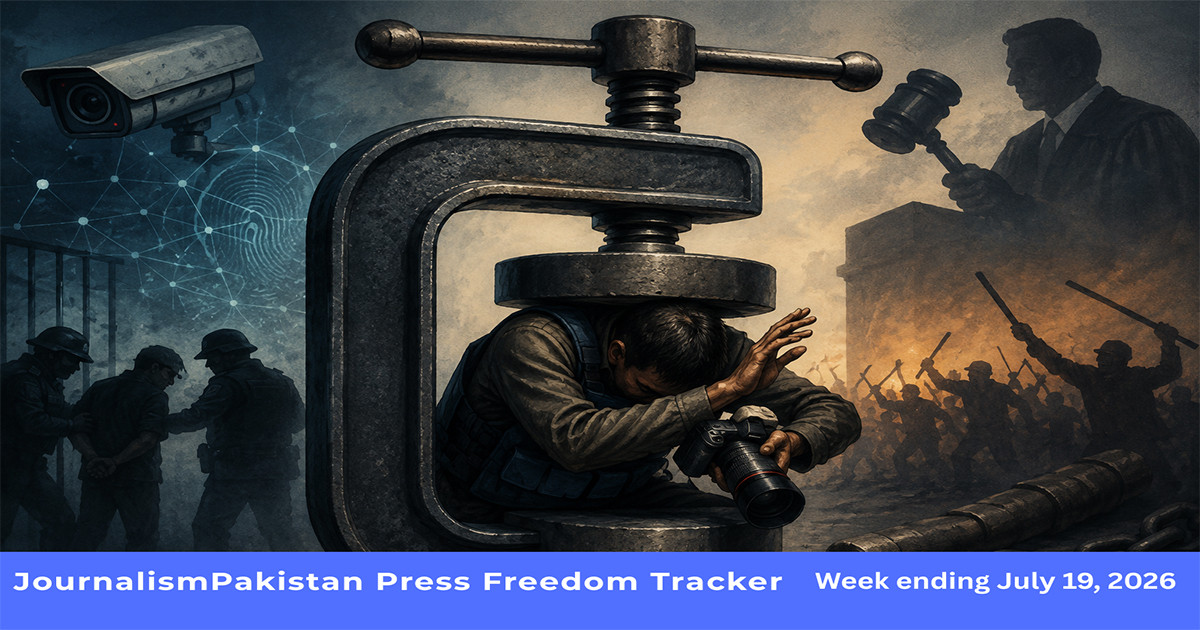
PHOTO: AI-generated; for illustrative purposes only
Key Points
- Growing journalist burnout is reported in multiple surveys
- Long hours and constant connectivity cited as major stressors
- The majority of journalists report difficulty switching off after work
- Local news reporters also face high burnout and turnover risk
- Industry groups call for better mental health support and work practices
Ask AI: Understand this story your way
AI EnabledDig deeper, ask anything — get instant context, background, and clarity.
Disclaimer: This feature is powered by AI and is intended to help readers explore and understand news stories more easily. While we strive for accuracy, AI-generated responses may occasionally be incomplete or reflect limitations in the underlying model. This feature does not represent the editorial views of JournalismPakistan. For our full, verified reporting, please refer to the original article.