
Dawn struggle deepens as closures raise fears for its future
JournalismPakistan.com | Published: 11 December 2025 | JP Special Report
Join our WhatsApp channel
Dawn Media Group has experienced significant closures and pay reductions, jeopardizing its future. The ongoing financial and political challenges raise alarms about the state of independent journalism in Pakistan.Summary
ISLAMABAD — There was a time when walking into any Dawn office felt like stepping into the heartbeat of a national conscience. The walls carried the soft hum of deadlines, the rustle of newspapers still warm from the press, the low murmur of conversations about everything that mattered: constitutional battles, missing persons, political storms, the wounds and wonders of Pakistan. It was a house built on an idea almost naïve in retrospect, truth could stand tall, even in a landscape determined to suppress it.
Today, that house is slowly emptying out. One desk at a time. One magazine at a time. One platform after another. What remains are the echoes of what Dawn once symbolized and the haunting uncertainty of what comes next.
The first cracks
The unraveling didn’t happen all at once. It began quietly, almost politely, disguised as restructuring and cost-saving. In August 2019, Herald, Pakistan’s legendary chronicle of power, policy, and national memory, suspended its print edition. It was the magazine that had shaped generations of readers and reporters. Its pages had pulled back curtains on military excesses, corruption, and state failures long before investigative journalism became a phrase taught in classrooms. To see Herald fall was like watching a lighthouse flicker and dim on a stormy coast.
For the Herald team, the announcement felt like a funeral held without a body. Files were packed, desks cleared, archival issues stacked in cardboard boxes. The building felt abruptly larger, hollowed out. Many staffers spoke later of the silence that followed, how they stood by their lockers that last afternoon, unsure what they were mourning more: the magazine, or the idea that journalism still had a future in Pakistan.
Another loss, then another
The years ahead offered no reprieve. Financial pressures grew sharper. Advertising revenue shrank as markets tightened. But the economic story alone could never truly explain why Dawn began to bleed.
There was political retaliation too, subtle, sometimes brutal, always present.
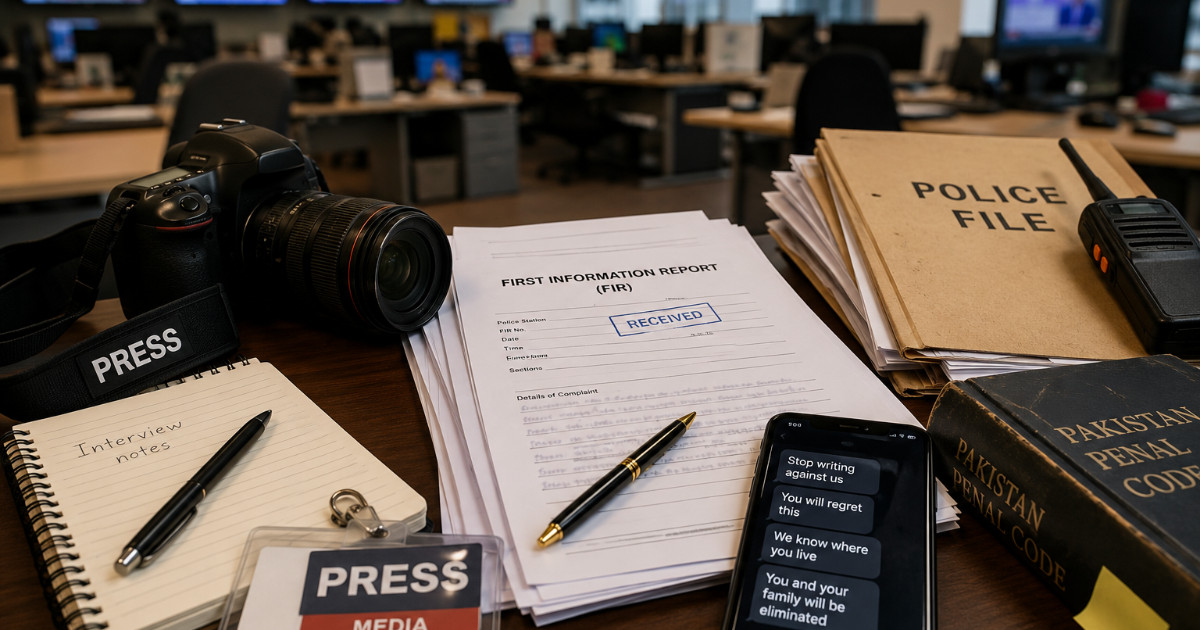
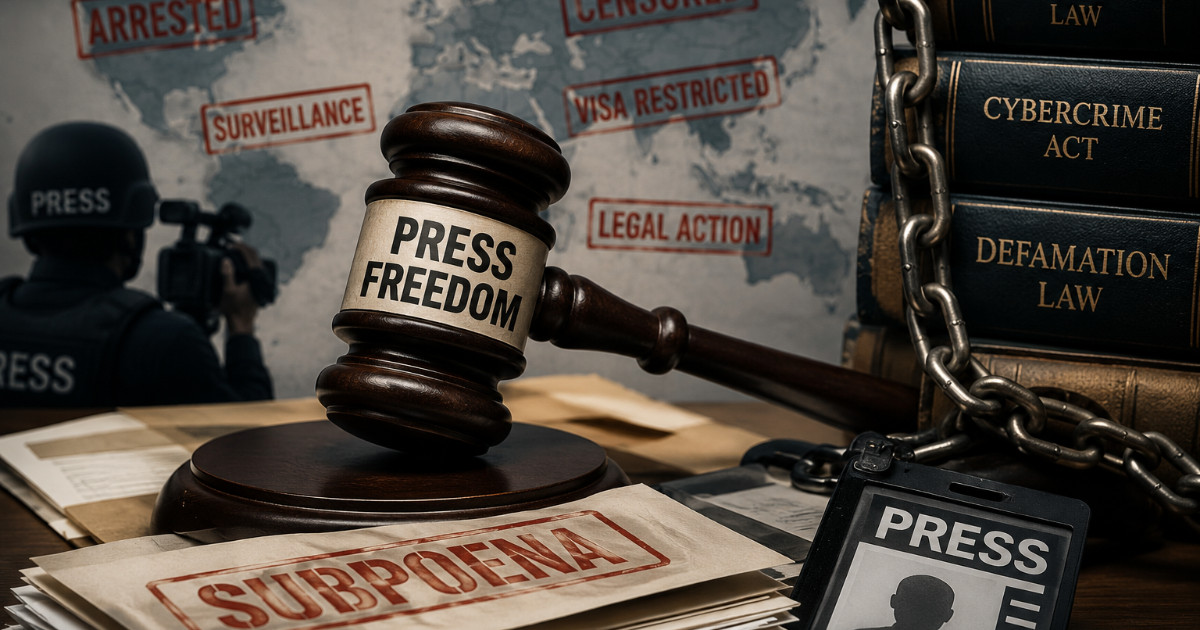
In December 2019, Dawn warned readers in an editorial that their freedom to be a Dawn reader was under threat. The message was framed under the photograph of Jinnah reading Dawn, as if to remind the country that this newsroom was once aligned with the very idea of Pakistan itself. By then, hooligans had besieged its Islamabad office twice. Death threats had been hurled at editors. Circulation vans were stopped in cantonments. Government ads were cut off for stretches of time that no business could survive unscathed.
The paper wrote with unusual frankness that the campaign was systematic, organized, and meant to silence.
The bleeding continues
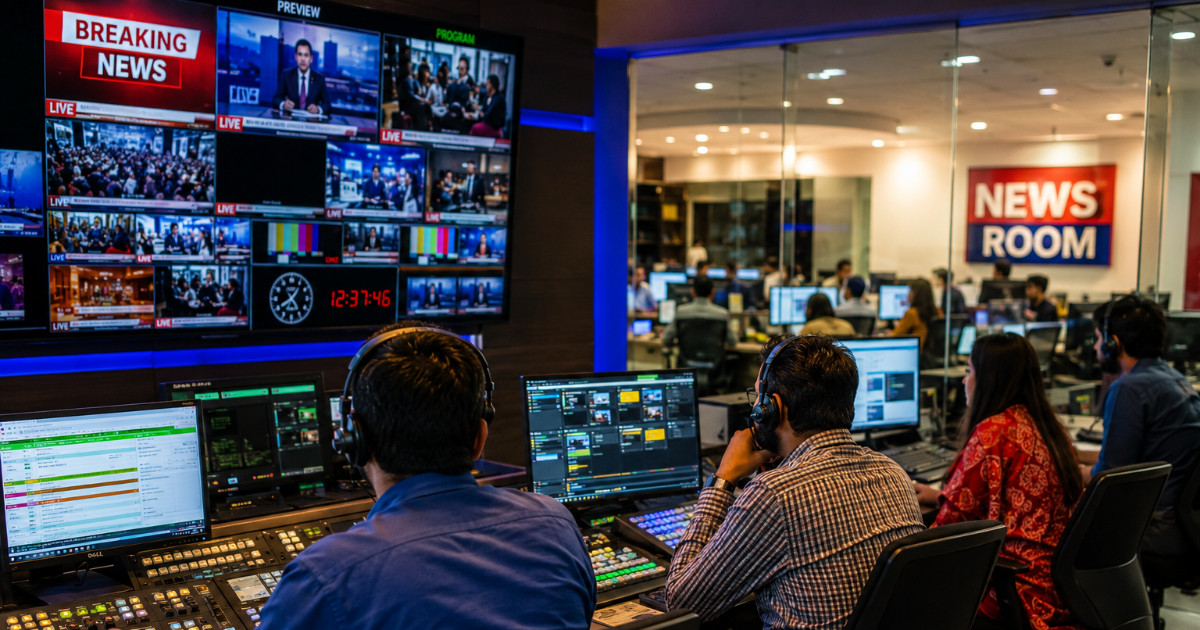
In 2021, DawnNews TV slashed salaries again. Ten percent gone across the board, fuel allowances cut in half. Some staff had already weathered two earlier pay reductions within a year; now the third one came like a quiet admission that the network was suffocating. Salaries arrived in phases, never on time. Producers whispered to each other about side jobs, part-time gigs, families back home they could no longer support.
You could feel the exhaustion even through the newsroom lights, once bright, now dimmed to save electricity.
Then came September 2024. Dawn closed its Quetta bureau. A decision that, on paper, sounded like consolidation, but on the ground felt like erasure. Balochistan, already voiceless in the national discourse, lost one of its last windows to the world. Reporters who had covered insurgencies, missing persons, sectarian violence, and political landmines suddenly had no office left to call home.
For a region whose stories were already pushed to the margins, the closure carried the weight of abandonment. Local journalists asked who would now tell Balochistan’s truths when Dawn, the one institution that tried, was gone.
The year of collapse
By 2025, the crisis matured into something unmistakably terminal.
Aurora shut down in August, ending a 27-year run that had shaped Pakistan’s marketing and branding landscape. It was more than a magazine; it was a cultural chronicle of creativity, commerce, and media evolution. Its final editorial read like a farewell letter from an institution reluctantly stepping aside as the world digitized without it.
Inside Dawn Media Group, the closure felt like losing a sibling, one that had grown up in the same house, shared the same heartbeat, fought the same storms.
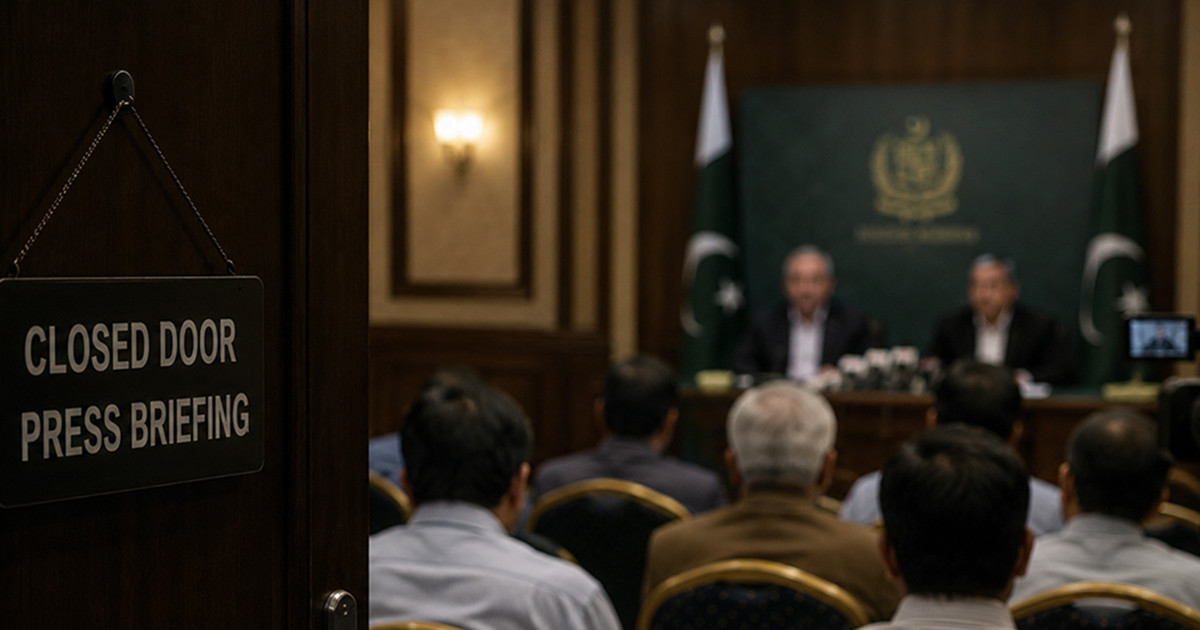
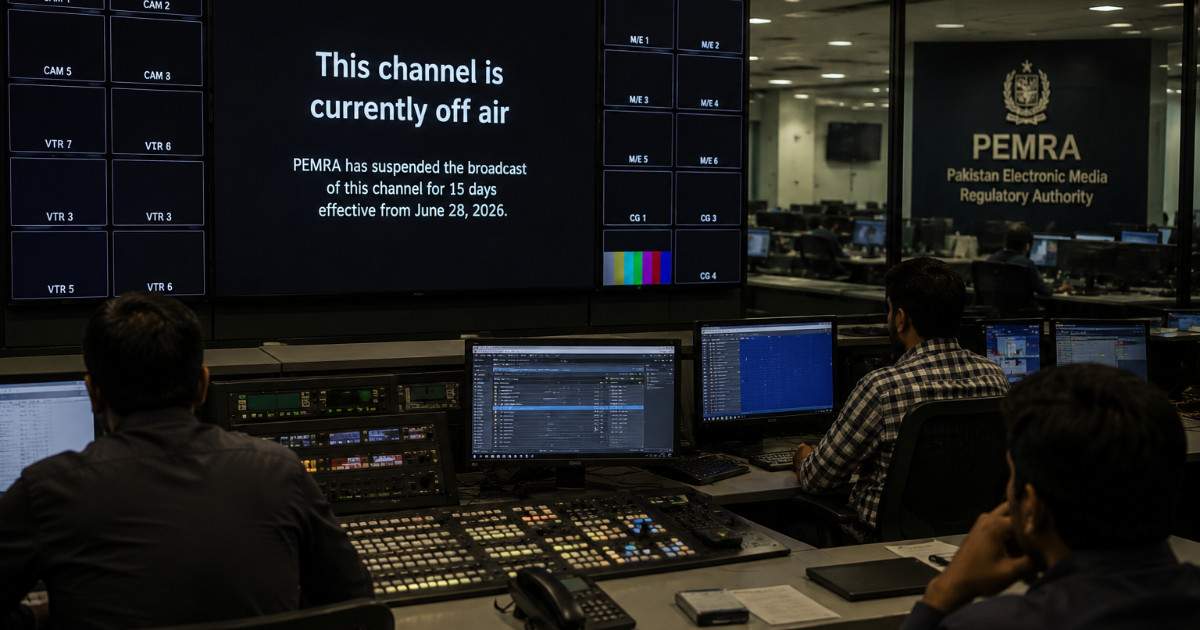
In March 2025, Dawn issued one of its starkest editorials yet, announcing that federal and Punjab governments had withheld advertisements for five consecutive months. The revenue drought had moved from crisis to catastrophe. No newsroom could survive such sustained state punishment, not without compromising. And compromise was one thing Dawn refused to do.
Then came December 1, 2025. DawnNews.tv, the Urdu digital platform, shut down. Twelve employees received their final goodbye with one month’s notice. The International Federation of Journalists condemned the layoffs; the PFUJ demanded government intervention. But for the twelve families affected, statements of concern could not fill the void left by lost salaries, lost careers, and lost dignity.
The Urdu digital platform had been Dawn’s attempt to reach the country’s linguistic majority. Its shutdown symbolized more than cost-cutting, it was a shrinking of the horizon, a retreat forced by financial siege.
A pattern of strangulation
Look closely, and the pattern becomes impossible to ignore.
Financial strangulation disguised as austerity. Advertising bans used as political weapons. Circulation blockages enforced at cantonment gates. Digital disruption with no state policy to cushion the blow. A dwindling advertising market ravaged by economic instability. And through it all, Dawn’s leadership refusing to bend the knee.
In newsroom after newsroom, the same question was asked in hushed voices: How long can Dawn survive like this?
The broader collapse around them
The collapse is not Dawn’s alone. Pakistan’s media ecosystem is crumbling in full view:
- Nukta fired 37 journalists in November 2025. - Jang cut 80 jobs in May, followed by 137 at Awaz in June. - PTV staff protested months of delayed wages. - Radio Pakistan employees demanded unpaid dues. - Unions warned of a systemic failure threatening the future of journalism itself.
And in that wider catastrophe, Dawn’s struggle feels like the last chapter of a much bigger tragedy.
The emotional aftermath
For readers, the closures were like losing familiar voices; voices they trusted in a country where trust is an endangered species.
For journalists, the grief was more intimate. These halls held decades of memories: late-night edits, adrenaline-fueled investigative breakthroughs, pages redlined with urgency, arguments over ethics, moments when reporting truth felt like an act of national service.
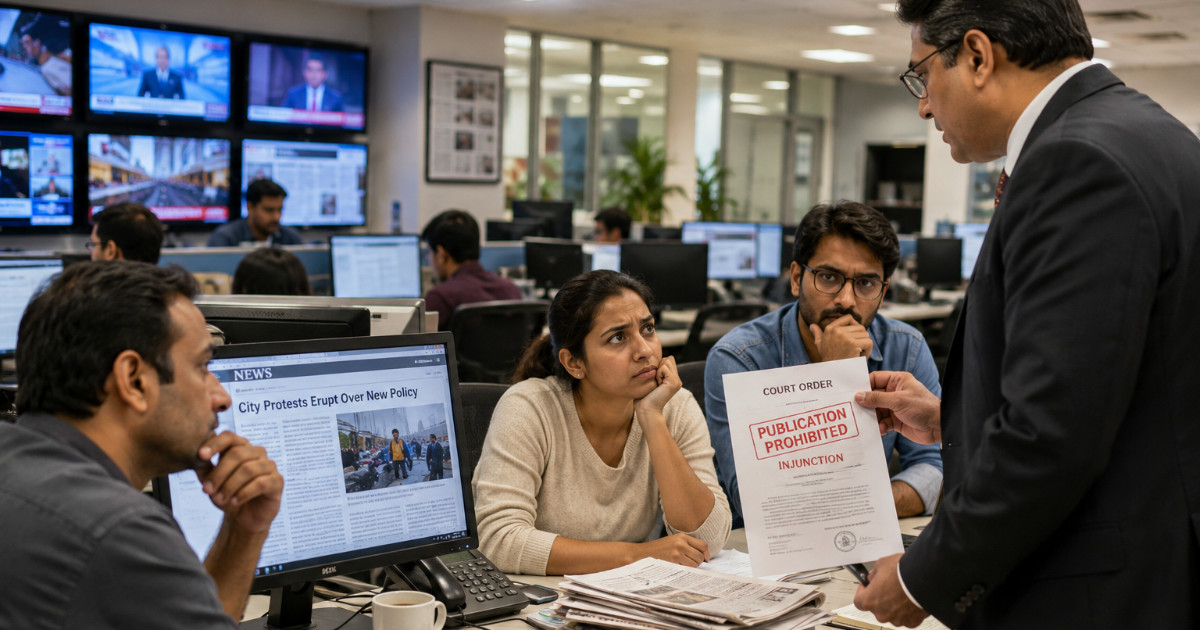
Now the lights flicker earlier. Fewer reporters sit at desks once densely packed. Whole sections of the building remain unused. The once-bustling cafeteria echoes with empty chairs.
Some say the silence is the hardest part.
What Dawn means
For more than 75 years, Dawn represented a promise, the idea that Pakistan deserved a press that refused to accept fear as a condition of truth. It was the newspaper that published difficult stories when others backed down, that stood tall during dictatorships, that insisted on clarity in moments of chaos.
It gave Pakistan Herald’s fearless investigations. Aurora’s cultural insight. DawnNews English and Urdu’s digital presence. Quetta’s ground reporting. And above all, the belief that journalism, done honestly, serves the republic.
The moment of reckoning
Now, that legacy stands at the edge of something dark and uncertain. Newsrooms shrink. Doors close. The last bastions of independence dim under political pressure and economic ruin.
Inside Dawn, there is still defiance. Still integrity. Still, the quiet dignity of journalists who show up despite everything, despite pay cuts, threats, bans, blockages, and the creeping fear that they may be witnessing the end of an era.
But the question hanging over the building has never been heavier.
In a landscape where journalism is both financially starved and politically punished, where does Dawn go from here, and what does Pakistan lose if this last bastion of independent reporting falls?
Key Points
- Dawn Media Group has faced multiple closures, pay cuts, and platform shutdowns since 2019
- Financial strain intensified after prolonged government advertising bans
- DawnNews.tv Urdu digital platform closed on December 1, 2025, with 12 layoffs
- Herald, Aurora, and the Quetta bureau have all shut down over recent years
- Pakistan's wider media industry is experiencing mass layoffs and structural collapse
Relevant Topics
Ask AI: Understand this story your way
AI EnabledDig deeper, ask anything — get instant context, background, and clarity.
Disclaimer: This feature is powered by AI and is intended to help readers explore and understand news stories more easily. While we strive for accuracy, AI-generated responses may occasionally be incomplete or reflect limitations in the underlying model. This feature does not represent the editorial views of JournalismPakistan. For our full, verified reporting, please refer to the original article.