.jpg)
Japan anti-espionage law plan raises media freedom fears
JournalismPakistan.com | Published: 14 December 2025
Join our WhatsApp channel
Japan is drafting new anti-espionage legislation that has sparked concern from media organizations. Legal analysts warn that broad definitions could threaten journalism and freedom of expression.Summary
TOKYO — Japan is preparing to swiftly draft new anti-espionage and secrecy legislation, according to reports published on December 14, a move that has drawn attention from media organizations and press freedom advocates across the region.
The proposed laws are being framed by the government as necessary national security measures, but legal analysts quoted in regional media say the scope and speed of the effort have raised questions about potential impacts on freedom of expression.
Proposed secrecy measures draw scrutiny
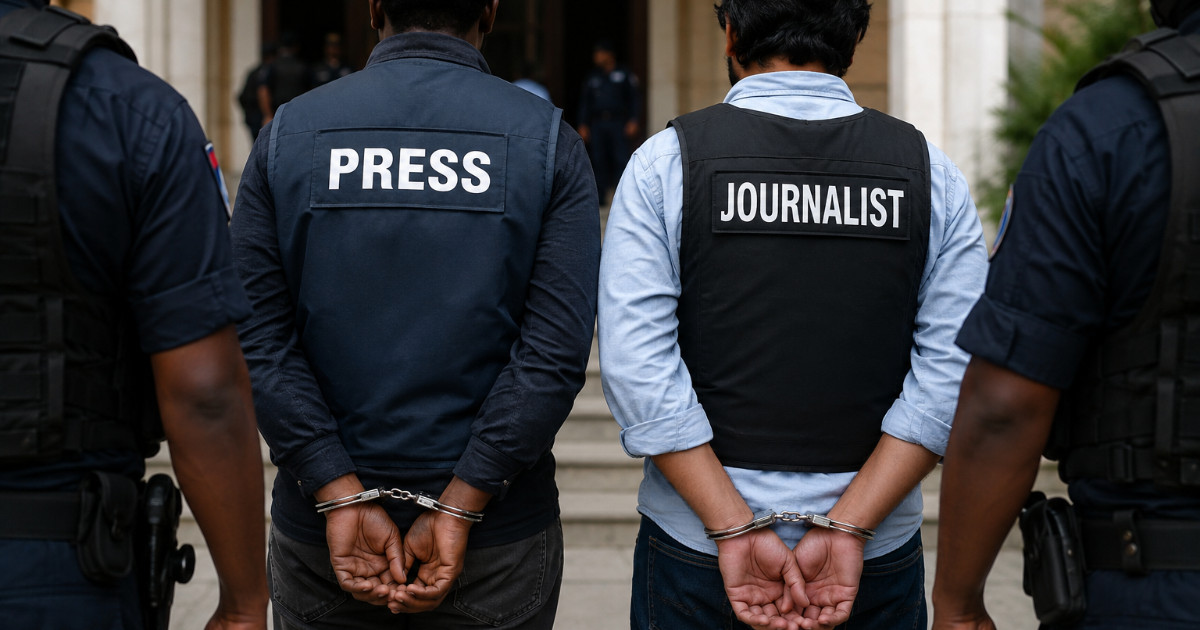
Rights advocates warn that if the legislation defines espionage or state secrets too broadly, journalists could face increased legal risk when reporting on defense, diplomacy, or government decision-making. Such ambiguity, they argue, may discourage reporters from pursuing sensitive investigations.
Concerns have also been raised about the protection of confidential sources. Media lawyers note that without clear safeguards, journalists could be pressured to disclose information or face penalties for publishing material deemed sensitive by authorities.
Press groups warn of chilling effects
Press freedom groups say the discussion reflects a wider regional trend in which national security laws are increasingly used to limit reporting space. In Japan’s case, observers stress that even the perception of tougher secrecy rules could lead to self-censorship in newsrooms.
The government has not yet released a finalized draft of the legislation. Media advocates say transparency and consultation with journalists and civil society will be critical to ensuring any new laws do not undermine Japan’s long-standing reputation for an open and independent press.
ATTRIBUTION: Reporting based on coverage by the South China Morning Post and regional media analysis.
Key Points
- Japan plans to rapidly draft new anti-espionage and secrecy laws.
- Legal analysts warn that broad definitions could affect journalism.
- Media advocates fear weaker protection for confidential sources.
- Press groups urge transparency and safeguards in the lawmaking process.
Relevant Topics
Ask AI: Understand this story your way
AI EnabledDig deeper, ask anything — get instant context, background, and clarity.
Disclaimer: This feature is powered by AI and is intended to help readers explore and understand news stories more easily. While we strive for accuracy, AI-generated responses may occasionally be incomplete or reflect limitations in the underlying model. This feature does not represent the editorial views of JournalismPakistan. For our full, verified reporting, please refer to the original article.