
Why news avoidance may be a bigger threat than misinformation
JournalismPakistan.com | Published: 4 January 2026 | JP Special Report
Join our WhatsApp channel
While misinformation remains a major concern, research suggests news avoidance may be a more immediate threat, pushing editors to rethink tone, formats, and coverage strategies to rebuild trust and relevance.Summary
ISLAMABAD — For much of the past decade, misinformation has dominated discussions about the future of journalism. Governments, platforms, and newsrooms have invested heavily in fact-checking initiatives, media literacy campaigns, and policy responses aimed at countering false information. Yet a quieter and potentially more damaging trend is gaining momentum: audiences are choosing to avoid the news altogether.
Research from the Reuters Institute and Pew Research Center shows that a growing share of people across regions say they actively limit their news consumption. Unlike misinformation, which can be corrected or challenged, news avoidance represents a complete withdrawal from journalism, leaving newsrooms with shrinking reach, weaker public influence, and long-term sustainability concerns.
News fatigue is reshaping audience behavior
Many audiences describe news consumption as emotionally exhausting, repetitive, or overwhelming. Continuous crisis coverage, graphic imagery, and a heavy focus on conflict and political polarization have led some readers to see news as a source of stress rather than information. For younger audiences in particular, avoidance does not always reflect distrust in journalism but a desire to protect mental well-being.
This shift has forced editors to confront uncomfortable questions about volume and tone. Publishing more breaking news updates does not necessarily translate into greater engagement when audiences feel saturated. On lean news days, this fatigue becomes even more apparent, as readers are less inclined to click on incremental or low-impact developments.
Misinformation thrives when audiences disengage
Ironically, news avoidance may create the very conditions in which misinformation spreads more easily. When people disengage from trusted news sources, they are more likely to encounter unverified or misleading content through social media, messaging apps, or influencers. In this sense, avoidance does not solve the misinformation problem but weakens the audience’s ability to distinguish credible reporting from false narratives.
Media analysts note that combating misinformation without addressing avoidance risks treating the symptom rather than the cause. Accurate journalism alone is not enough; its impact depends on audiences who actively engage with it.
What newsrooms can do differently?
Some news organizations are experimenting with alternative approaches to reconnect with disengaged audiences. These include solutions-focused journalism, explanatory reporting, newsletters that emphasize context over urgency, and formats that allow readers to control how much news they consume.
Editors are also reassessing language, headlines, and visuals to reduce sensationalism without diluting accountability journalism. The goal is not to make news less serious, but more usable and less overwhelming.
As the industry enters another year marked by political uncertainty, technological disruption, and economic pressure, the question may no longer be whether misinformation is dangerous. The more pressing issue may be whether journalism can persuade audiences that staying informed is still worth their time.
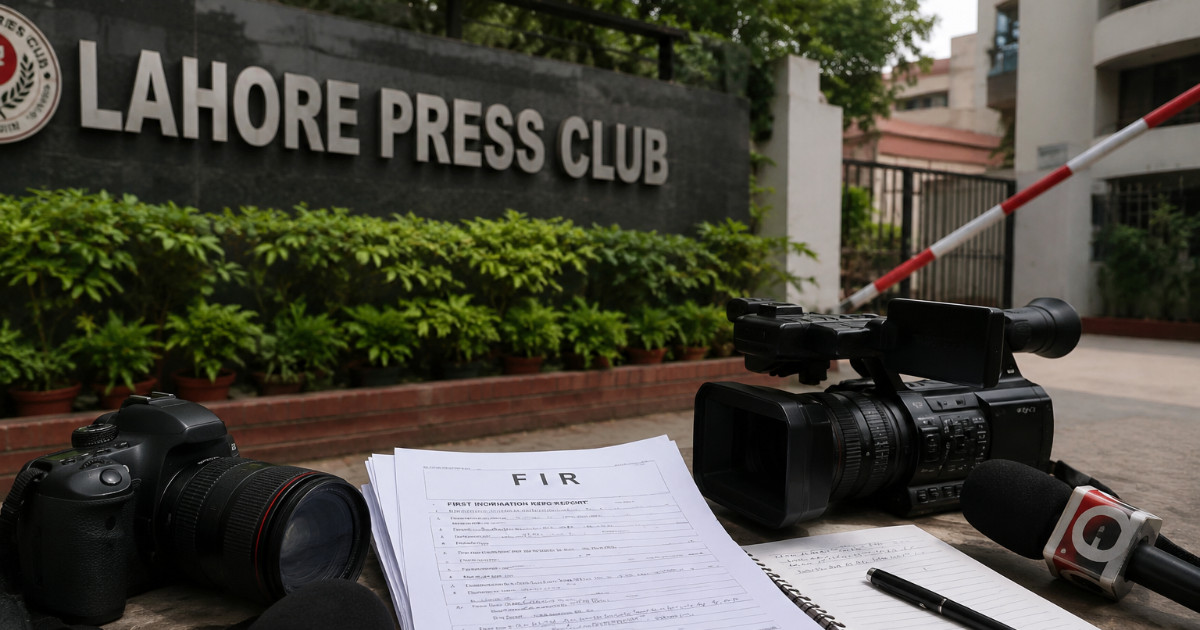
PHOTO: AI-generated; for illustrative purposes only
Key Points
- News avoidance is increasing globally, driven by fatigue, emotional overload, and repetitive crisis coverage.
- Disengaged audiences are harder to reach than misinformed ones, reducing journalism’s long-term influence.
- News avoidance can unintentionally increase exposure to misinformation through unverified sources.
- Newsrooms are experimenting with explainers, newsletters, and solutions-focused reporting to rebuild engagement.
- Addressing audience disengagement may be as critical to journalism’s future as fighting misinformation.
Relevant Topics
Ask AI: Understand this story your way
AI EnabledDig deeper, ask anything — get instant context, background, and clarity.
Disclaimer: This feature is powered by AI and is intended to help readers explore and understand news stories more easily. While we strive for accuracy, AI-generated responses may occasionally be incomplete or reflect limitations in the underlying model. This feature does not represent the editorial views of JournalismPakistan. For our full, verified reporting, please refer to the original article.