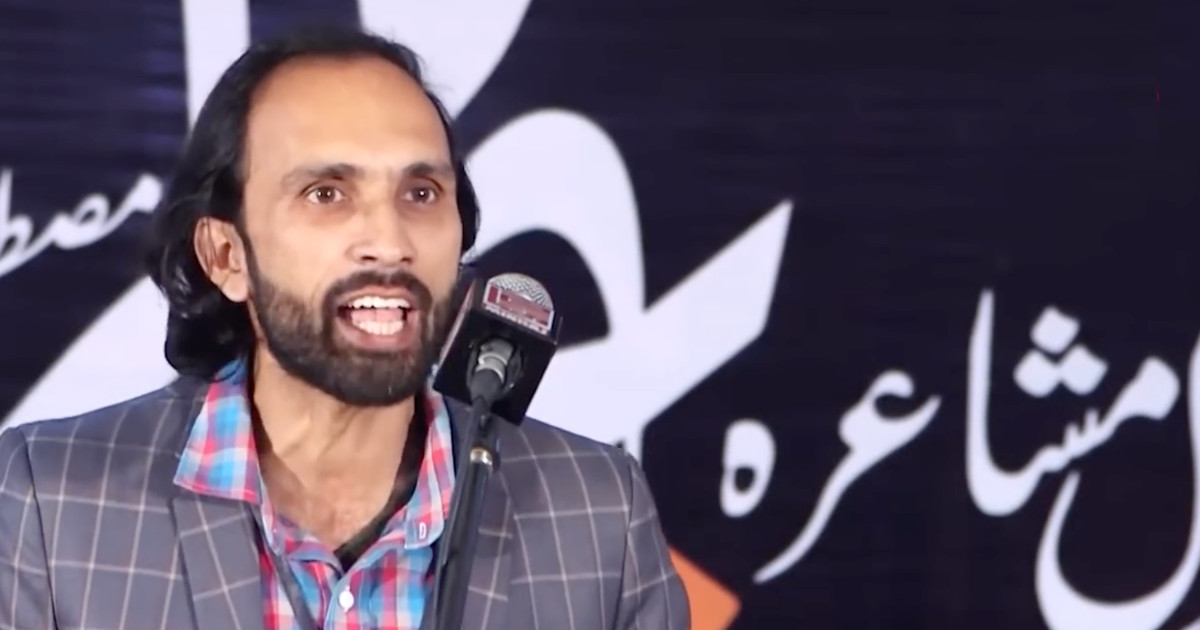

Ghana media group condemns court restrictions on journalist
JournalismPakistan.com | Published: 30 December 2025 | JP Global Monitoring Desk
Join our WhatsApp channel
The Private Newspapers and Online News Publishers Association of Ghana has criticized a court ruling that limits journalist Innocent Samuel Appiah's work. They believe this decision threatens press freedom and could deter investigative reporting on corruption.Summary
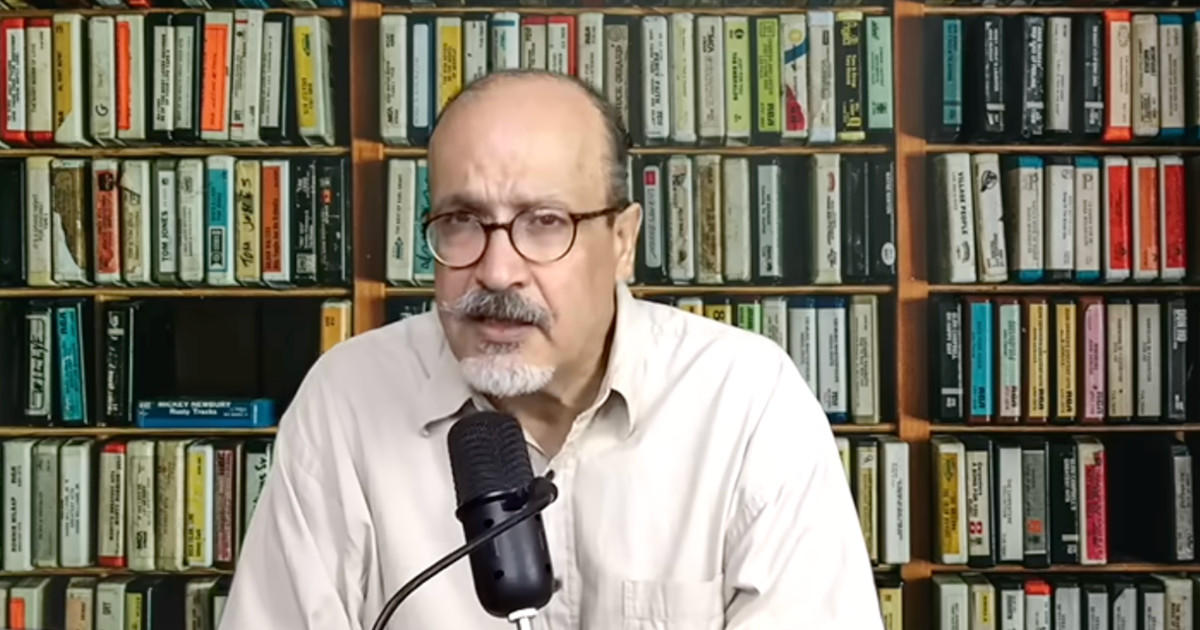
ACCRA — The Private Newspapers and Online News Publishers Association of Ghana has condemned a court ruling that imposes legal restrictions on investigative journalist Innocent Samuel Appiah, describing the decision as a serious threat to press freedom and accountability journalism.
In a public statement, the association said the ruling could have a chilling effect on investigative reporting, particularly on corruption and governance issues that rely on journalists’ ability to work without undue legal pressure.
Concerns raised by media publishers
The publishers’ body argued that restrictions placed on Appiah undermine the constitutional role of the media in informing the public and scrutinizing those in power. It warned that similar legal actions could discourage journalists from pursuing sensitive investigations in the public interest.
The association did not dispute the authority of the courts but emphasized that judicial decisions affecting journalists should carefully balance legal considerations with protections for free expression and the public’s right to know.
Legal pressure in democratic contexts
The case has drawn attention within Ghana’s media community as an example of how legal mechanisms can be used in ways that restrict journalistic activity, even in democratic systems with constitutional press protections.
Media analysts note that while courts play a critical role in upholding the rule of law, rulings that constrain reporting can set precedents that shape newsroom behavior far beyond a single case.
Broader implications for press freedom
The association called on judicial authorities, policymakers, and civil society to reaffirm commitments to media freedom and to ensure that journalists are not deterred from anti-corruption work through legal intimidation.
Ghana has often been cited as one of West Africa’s more open media environments, making the outcome and response to this case closely watched by press freedom advocates in the region.
ATTRIBUTION: Reporting based on statements by the Private Newspapers and Online News Publishers Association of Ghana and publicly available information on the case.
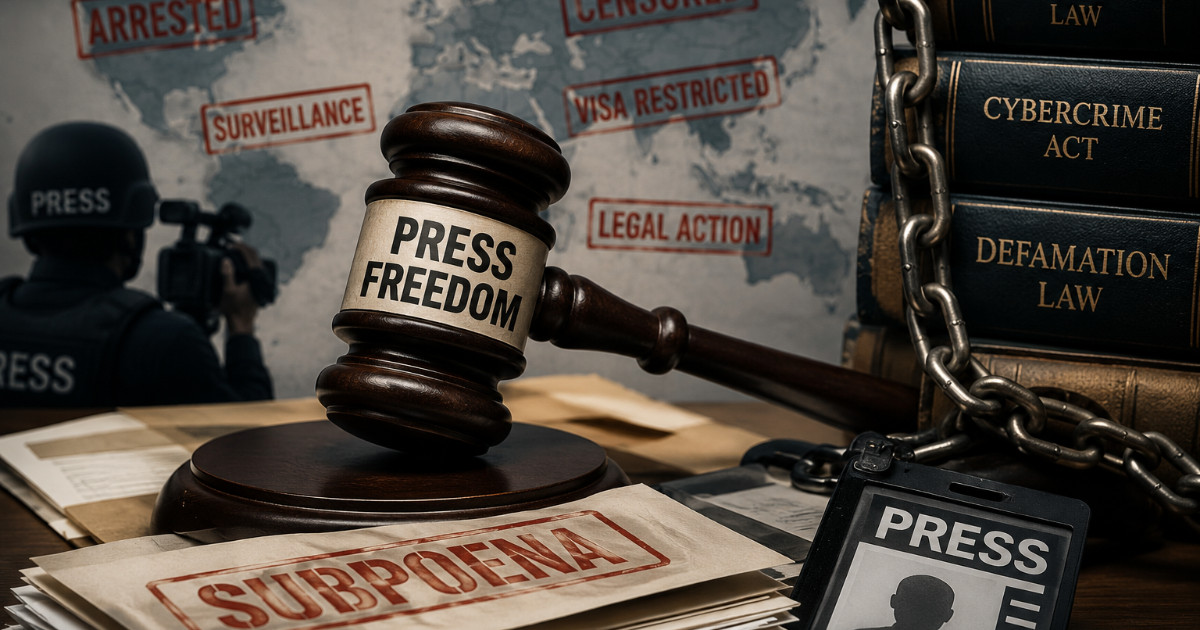
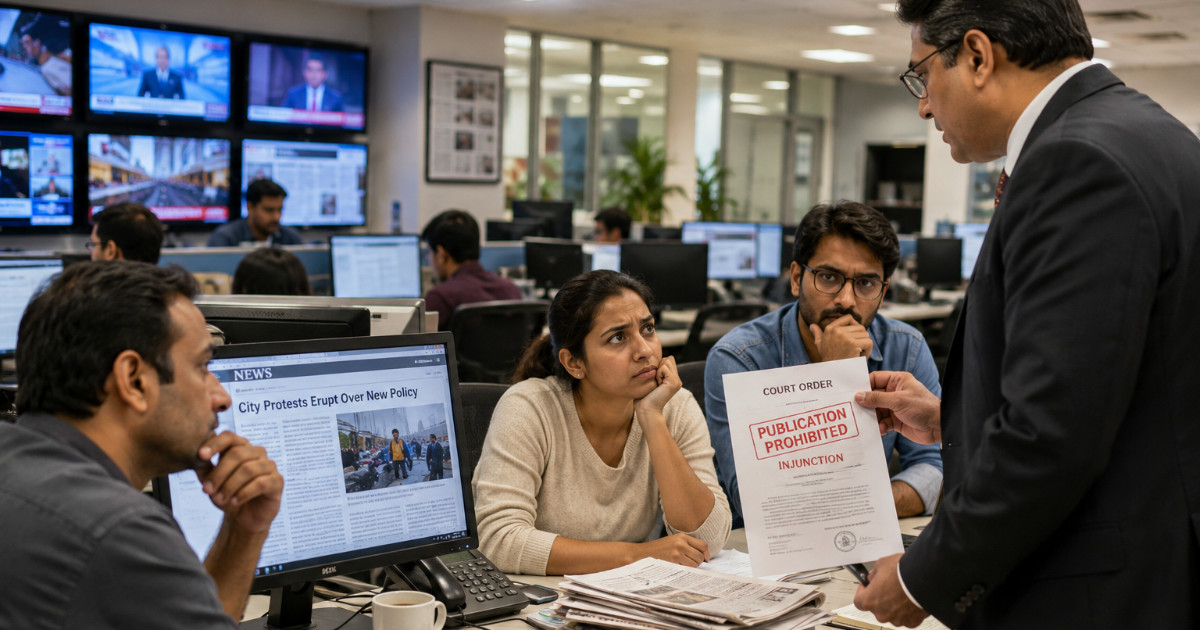
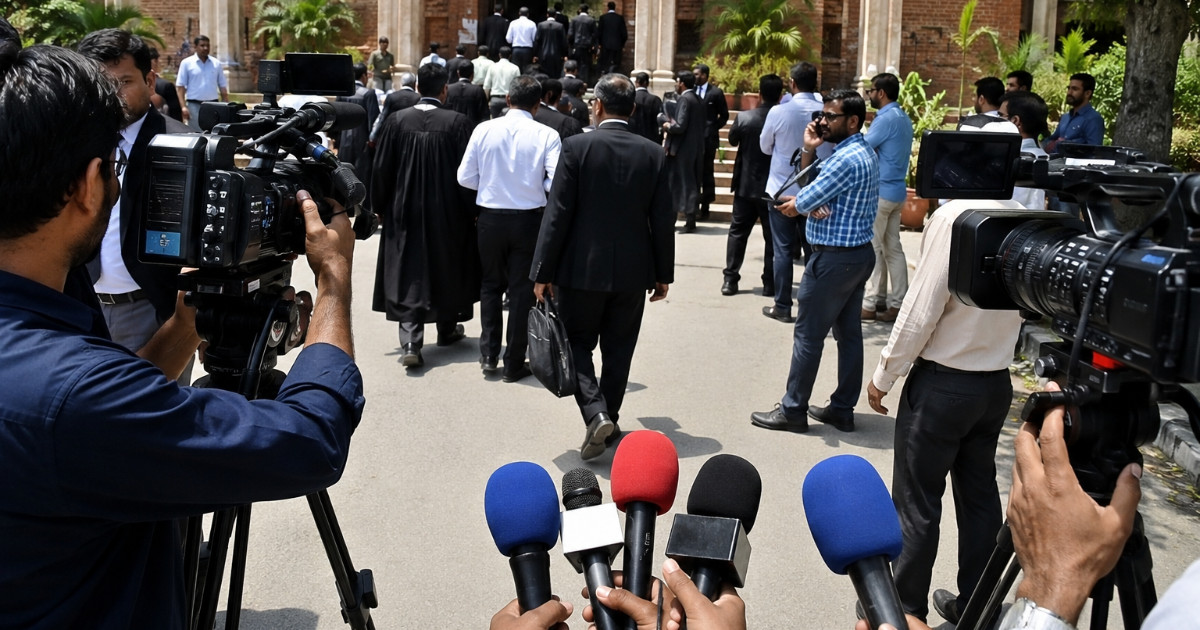
PHOTO: AI-generated; for illustrative purposes only
Key Points
- Ghana's private media publishers condemned court restrictions on journalist Innocent Samuel Appiah
- The association warned of a chilling effect on investigative and anti-corruption reporting
- Media groups stressed the need to balance judicial authority with press freedom protections
- The case highlights ongoing legal pressures on journalists in democratic societies
Relevant Topics
Ask AI: Understand this story your way
AI EnabledDig deeper, ask anything — get instant context, background, and clarity.
Disclaimer: This feature is powered by AI and is intended to help readers explore and understand news stories more easily. While we strive for accuracy, AI-generated responses may occasionally be incomplete or reflect limitations in the underlying model. This feature does not represent the editorial views of JournalismPakistan. For our full, verified reporting, please refer to the original article.