
Riaz Batalvi (1937-2003)
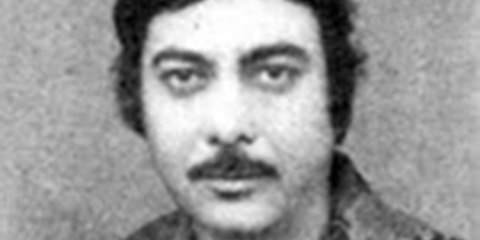
Riaz Batalvi, a journalist, became a writer and a dramatist, giving PTV two of its best productions – Aik Haqeeqat, Aik Afsana and Dubai Chalo.
Born as Riazul Hasan in February 1937 in Gurdaspur, he served as editor of Daily Mashriq. When he came to Pakistan after partition, he joined Daily Kohistan, which was edited by novelist Nasim Hijaji. He joined Mashriq when the paper was launched in 1963.
At Mashriq, he started feature writing by becoming a people’s person. Mashriq would announce reward for Lahorites if any one of them could spot Batalvi among them. Next day his pictures would be published sometimes as a porter at the railway station or a cart hawker or even a beggar, telling readers he was among them. This would provide Batalvi rich material for his features. His drama - Dubai Chalo - was an instant hit which was also turned into a film.
Similarly Aik Haqeeqat, Aik Afsana was the leading drama series on PTV. In 1986 he was given the Pride of Performance award by the government for excellence in literature. He died on January 3, 2003.
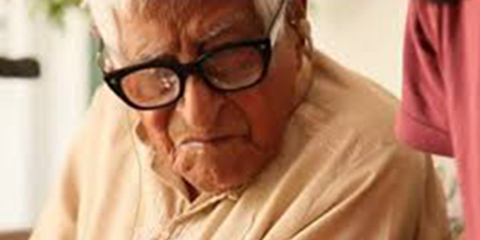
F.E. Choudhry (1909-2013)
Affectionately known as Chacha in the journalist community, F. E. Choudhry is credited to have introduced innovative features to photojournalism, such as cricket action photography, pictorial and
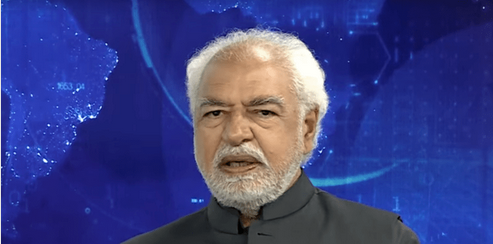
Ayaz Amir
A prominent print and television journalist, columnist, political analyst, and commentator, Ayaz Amir became known for his weekly columns in Daily Dawn. He started writing for Dawn during the government of Ziaul Haq

Maleeha Lodhi
Maleeha Lodhi obtained her Ph.D in Politics from the London School of Economics in 1980, having received her B.Sc (Econ) from the same institution in 1976. She taught Politics and Sociology at
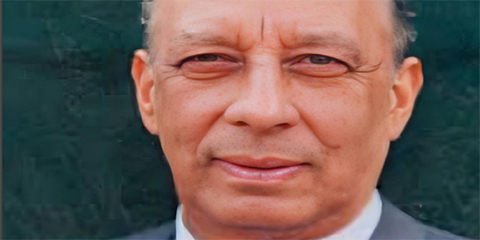
Zakir Hussain Syed (1939-2013)
Zakir Hussain Syed, affectionately called Zak, was an internationally renowned sports administrator, broadcaster and journalist. Born in the town of Sialkot on November 1, 1939, Zakir had his initial schooling at Rawalpindi's Denny's High School.
Khalid Hasan (1935-2009)
Khalid Hasan was a senior Pakistani journalist and writer. He was born in Srinagar, Kashmir. He was the brother in law of the first elected president of Azad Jammu & Kashmir K H Khurshid, private secretary
Abdullah Malik (1920-2003)
Journalist, writer and political activist, Abdullah Malik wrote in his book Purani Mehfilain Yaad aa Ra'hi Ain: "I can declare with pride that I have spent my entire life wedded to the same commitment
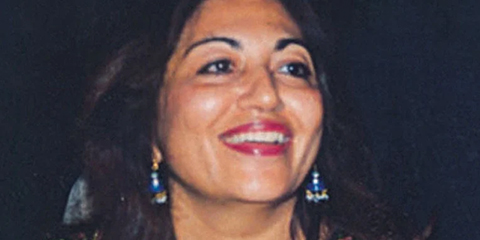
Razia Bhatti (1944-1996)
Razia Bhatti has been described as a crusader, a torch-bearer, and a symbol of courage. In 1996, the Pakistan Press Foundation called her untimely death at the age of 52 an 'end of a golden chapter of journalism in Pakistan.'
Altaf Gauhar (1923-2000)
Altaf Gauhar was a man of extraordinary versatility, charm and intelligence. He was born in Gujranwala and received his education from the Government College, Lahore, after which he joined All-India Radio
Newsroom

Pele to Messi: How World Cup finals wrote football's greatest story
June 15, 2026 From Pele to Messi, World Cup finals shaped football's global story, tracing triumphs and heartbreaks and showing how the game became a shared language.

Press freedom review: From jail cells to cyberspace, threats to journalists multiply
June 14, 2026 Press freedom faces mounting challenges worldwide as journalists confront arrests, legal pressure, cyberattacks, online harassment, deportations, and reporting restrictions across multiple countries.
The right to know: Comparing access-to-information laws across Asia
June 14, 2026 Across Asia, RTI laws range from effective tools for journalism and accountability to paper laws weakened by bureaucracy, broad exemptions and poor enforcement.

Open-Source Intelligence (OSINT): How journalists verify information in the digital age
June 14, 2026 OSINT helps journalists verify social media, photos, videos, maps and public records to improve reporting accuracy and detect misinformation.
Ethiopia expels French journalist after Tigray reporting
June 13, 2026 Ethiopia expelled French reporter A. Passilly after Tigray reporting, drawing criticism from press groups as retaliatory and damaging to press freedom.
Popular Stories

Why publishers want AI companies to pay
Jun 06, 2026