
Maleeha Lodhi

Maleeha Lodhi obtained her Ph.D in Politics from the London School of Economics in 1980, having received her B.Sc (Econ) from the same institution in 1976.
She taught Politics and Sociology at the London School of Economics for five years, 1980-85, before returning home to embark on what was to be a remarkable career in journalism.
She also briefly taught for a year at the Quaid-i-Azam University, Islamabad, in the Department of Public Administration.
Dr Maleeha’s journalistic career spanned eight years in which she edited two of Pakistan's major English daily newspapers - The News, which she helped launch, and The Muslim (now defunct).
She became the first woman in all of Asia to be the editor of a daily paper. Her outspoken views and incisive analyses quickly took her to the very top of the profession as an outstanding professional as well as a crusader of democracy.
Dr Maleeha is a Fellow of the Pakistan Institute of Development Economics. In February 1994, she was cited for a top journalistic award by APNS (All Pakistan Newspaper Society) for a feature she had co-authored with a fellow Pakistani newsman.
In December 1994 she was selected (the only one from Pakistan) by Time magazine as one of the hundred global pacesetters or young leaders who the magazine said would help define the next century.
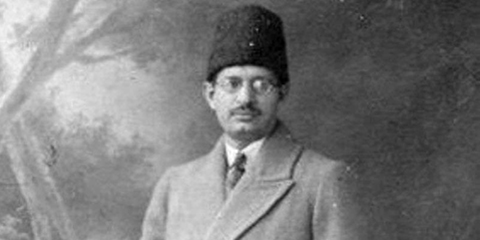
Ghulam Rasul Mehr (1895-1971)
Ghulam Rasul Mehr hailed from Jallunder in East Punjab. He received his education in Lahore from the Mission High School and Islamia College, after which he joined the education department in

Altaf Husain (1900-1968)
One of the pioneers of journalism in Pakistan, Altaf first came to notice with his forceful advocacy of Indian Muslims' case in colonial India through articles in the press (as a government servant he
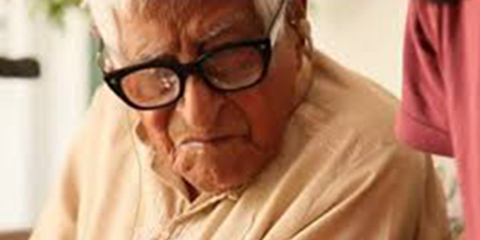
F.E. Choudhry (1909-2013)
Affectionately known as Chacha in the journalist community, F. E. Choudhry is credited to have introduced innovative features to photojournalism, such as cricket action photography, pictorial and

Inam Aziz (-1993
Inam Aziz was one of Pakistan's best known journalists who began his long career in the profession with an Urdu daily in Lahore soon after independence. He worked in Peshawar for another newspaper
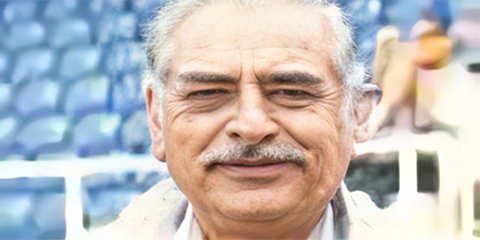
Farooq Mazhar
Farooq Mazhar was Pakistan's most prominent sports journalist, television commentator and former Editor of The News. He died on April 28, 2001 in Bahrain enroute to America after a short illness.

Mushahid Hussain Sayed
Mushahid Hussain Sayed has the distinction of becoming the youngest editor of a national English daily The Muslim (now defunct). He achieved this honor at the age of 29 in 1982.
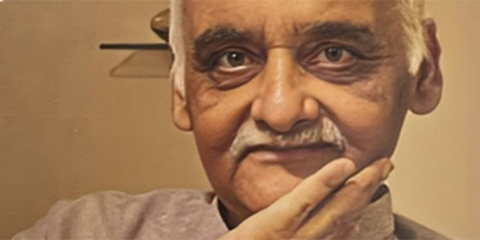
Gul Hameed Bhatti (1947-2010)
Gul Hameed Bhatti was a top ranked cricket journalist and statistician. He also loved flying and was a commercial pilot with the Pakistan International Airlines between 1968 and 1971.
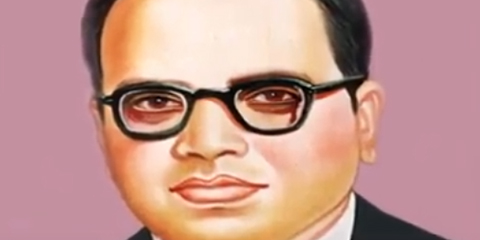
Hameed Nizami (1915-1962)
Hameed Nizami was an eminent journalist. He was the founder of the Urdu newspaper Nawa-i-Waqt, and played an important role in the Pakistan Movement. He was born on October 3, 1915 at Sangla Hill
Newsroom

Pele to Messi: How World Cup finals wrote football's greatest story
June 15, 2026 From Pele to Messi, World Cup finals shaped football's global story, tracing triumphs and heartbreaks and showing how the game became a shared language.
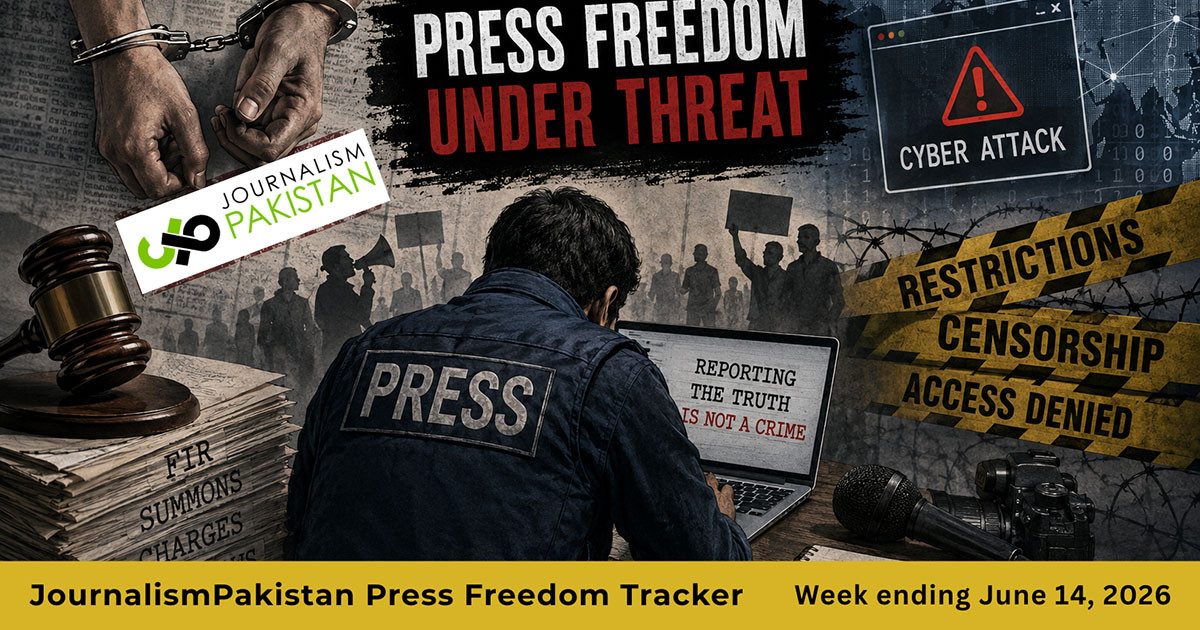
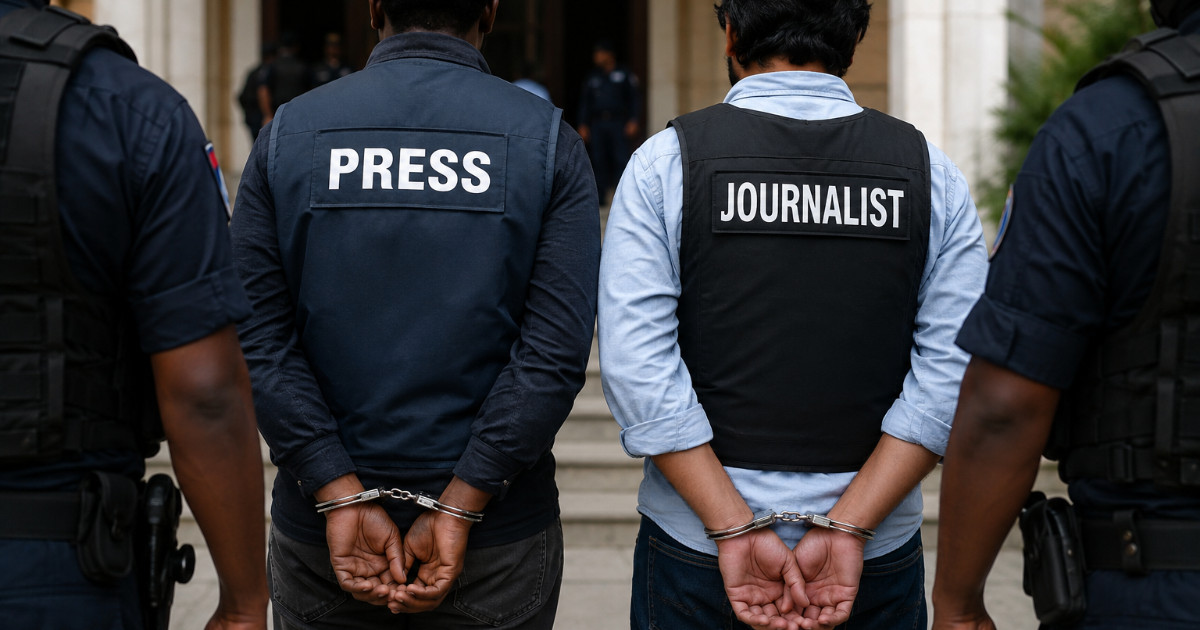
Press freedom review: From jail cells to cyberspace, threats to journalists multiply
June 14, 2026 Press freedom faces mounting challenges worldwide as journalists confront arrests, legal pressure, cyberattacks, online harassment, deportations, and reporting restrictions across multiple countries.
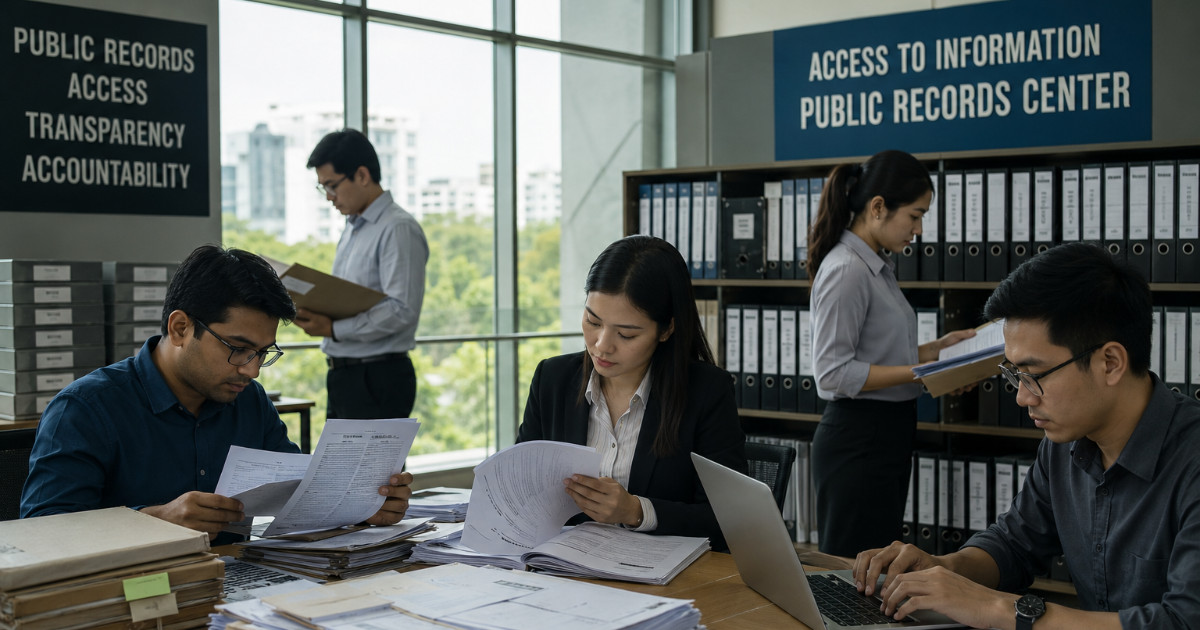
The right to know: Comparing access-to-information laws across Asia
June 14, 2026 Across Asia, RTI laws range from effective tools for journalism and accountability to paper laws weakened by bureaucracy, broad exemptions and poor enforcement.

Open-Source Intelligence (OSINT): How journalists verify information in the digital age
June 14, 2026 OSINT helps journalists verify social media, photos, videos, maps and public records to improve reporting accuracy and detect misinformation.
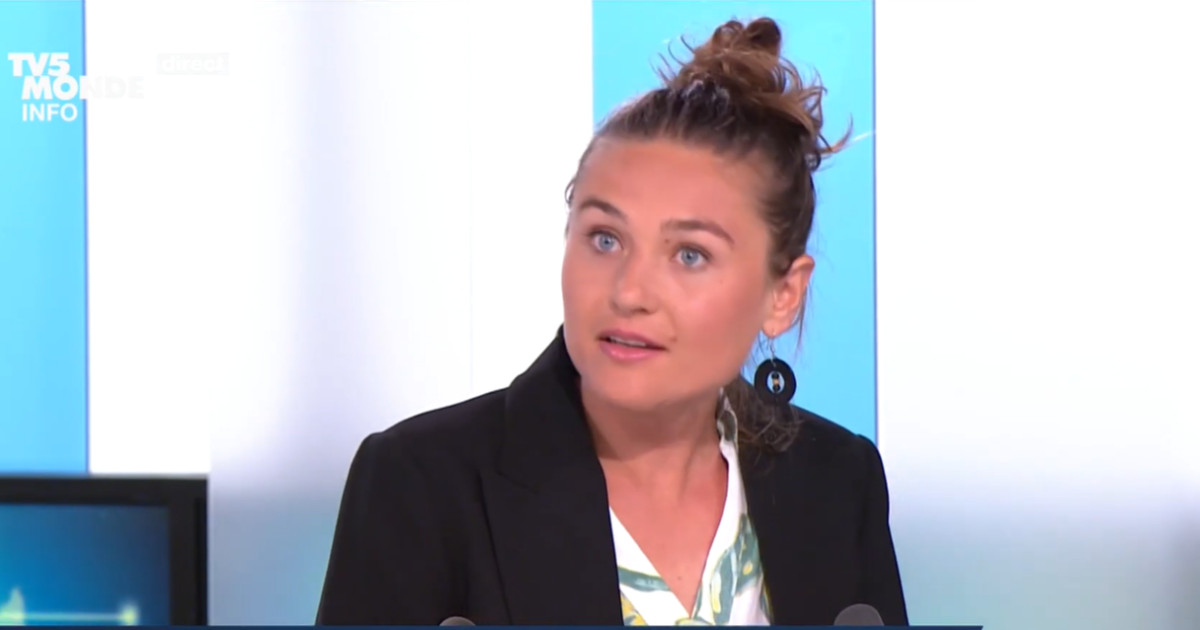
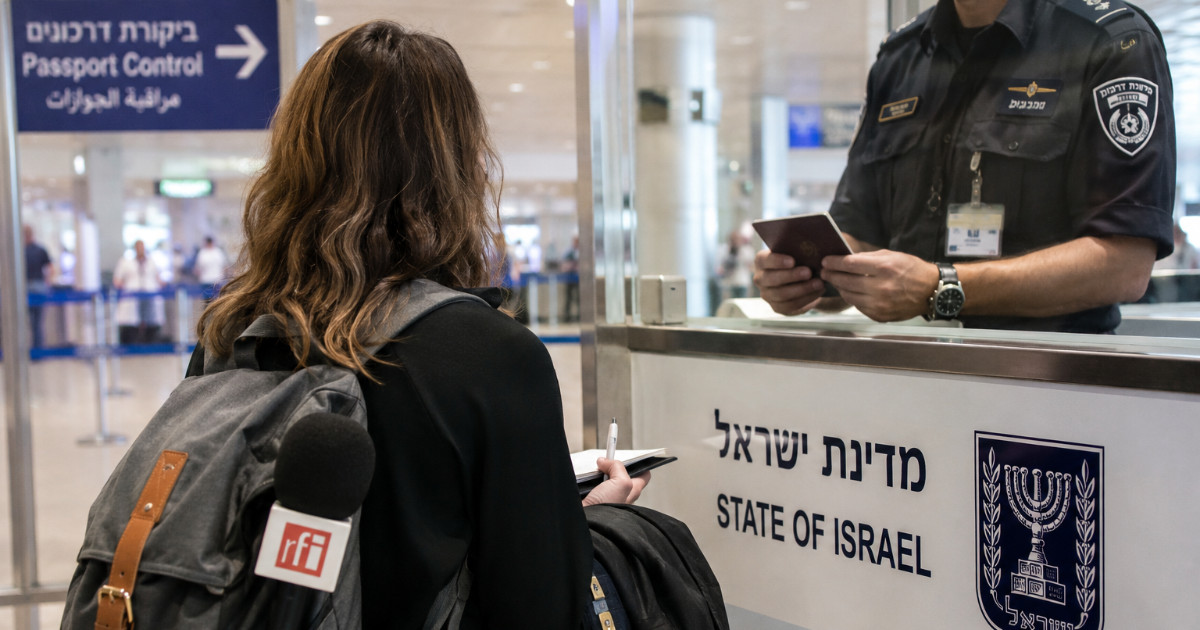
Ethiopia expels French journalist after Tigray reporting
June 13, 2026 Ethiopia expelled French reporter A. Passilly after Tigray reporting, drawing criticism from press groups as retaliatory and damaging to press freedom.
Popular Stories

Why publishers want AI companies to pay
Jun 06, 2026