

RSF warns of growing Chinese influence on Thai media
JournalismPakistan.com | Published: 7 November 2026 | JP Asia Desk
Join our WhatsApp channel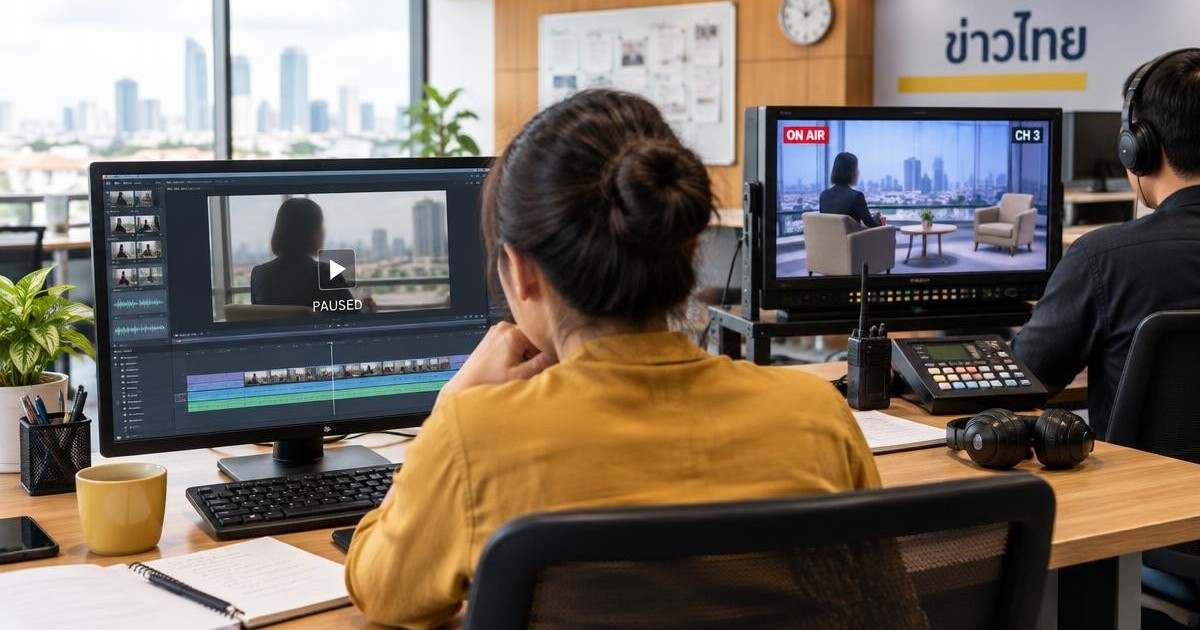
Reporters Without Borders says China is expanding its influence over Thai media through diplomatic pressure, content partnerships and sponsored trips. It cites the removal of a Thai PBS interview with Taiwan's foreign minister in 2023.Summary
BANGKOK — Reporters Without Borders says China is expanding its influence over Thailand’s media through diplomatic pressure, content-sharing agreements and sponsored trips for journalists, raising concerns about editorial independence and self-censorship.
In an investigation published November 6, the press freedom organization, known by its French initials RSF, described interviews with numerous Thai journalists. It said most spoke anonymously because they feared reprisals. The group called on the Thai government and media institutions to strengthen safeguards for newsroom independence.
Among the cases RSF examined was the removal of a Thai PBS interview with Taiwan’s then foreign minister, Jaushieh Joseph Wu, in 2023. The organization also described encounters between Chinese diplomats and journalists who had covered subjects Beijing considers sensitive.
The Thai PBS interview
Taiwan’s foreign ministry said Wu was interviewed on November 1, 2023, and excerpts aired on Thai PBS two days later. The full interview was uploaded to the public broadcaster’s YouTube channel.
Voice of America reported at the time that the Chinese Embassy publicly criticized the interview on November 11 and that the video subsequently disappeared from YouTube without explanation. The embassy accused the broadcaster of giving a platform to supporters of Taiwan independence. The television report remained available, according to RSF.
RSF cited an anonymous person familiar with the matter as saying embassy officials met Thai PBS executives before the full interview was removed. The account of that private meeting comes from RSF’s source; the earlier VOA reporting establishes the public objection and subsequent disappearance, not what was said in the meeting.
VOA also reported that a Thai Senate foreign affairs committee confirmed the interview had been suspended and asked Thai PBS to exercise caution with similar programs. RSF said the Chinese Embassy and Thai PBS had not replied to its requests for comment.
Pressure and partnerships
RSF described another encounter in 2022, when a Thai journalist said Chinese embassy staff confronted him at a diplomatic reception over coverage of Uyghurs and warned that his outlet could lose access to the ambassador. That account, too, rests on a journalist’s description reported by RSF.
The organization also cited a 2025 dispute over an exhibition at the Bangkok Art and Culture Centre. Journalist Pravit Rojanaphruk told RSF that the embassy’s media counsellor visited Khaosod English’s office after he wrote a column about pressure on the exhibition.
Le Monde separately reported that works or identifying details concerning Tibetan, Uyghur and Hong Kong artists were removed, altered or obscured at the exhibition. It cited an email in which the center acknowledged pressure. The newspaper said Beijing criticized the exhibition but did not confirm or deny a role for its diplomats.
Alongside such allegations, RSF pointed to media partnerships and Chinese state outlets’ Thai-language output. It said at least 12 Thai-language platforms had content-sharing agreements with China’s Xinhua news agency by the end of 2019, and that Thailand’s Government Public Relations Department has agreements with Xinhua and China Media Group. An agreement to share content does not by itself establish that a particular story was censored.
Newsroom economics
RSF also cited sponsored trips and investments as ways China has built a presence in the sector. Pravit told the organization that journalists can become more cautious when they see editors regularly traveling to China, an assessment of newsroom behavior rather than a measured effect across the industry.
Financial strain is part of RSF’s account. Citing Radio Free Asia, the organization said more than 300 Thai news organizations reportedly laid off staff in 2024. That figure refers to organizations, not the number of people who lost jobs.
Joshua Kurlantzick of the Council on Foreign Relations told RSF that reliance on Chinese state content could grow unless the economics of Thai journalism change. His view identifies a possible consequence of financial pressure, not a demonstrated outcome of any individual partnership.
Thailand ranks 92nd among 180 countries and territories in RSF’s 2026 World Press Freedom Index, down from 85th in 2025. The organization’s country profile also describes domestic political and economic pressures on the press; its overall ranking does not isolate the effect of Chinese influence.
ATTRIBUTION: Prepared by JournalismPakistan staff, drawing on reporting by Reporters Without Borders, Voice of America and Le Monde, alongside official statements from Taiwan's Ministry of Foreign Affairs.
PHOTO: AI-generated; for illustrative purposes only.
Key Points
- RSF says Chinese influence on Thai media is expanding.
- Thai PBS’s full Taiwan interview disappeared online in 2023.
- RSF attributes an embassy meeting with executives to an anonymous source.
- RSF reports Chinese content deals and sponsored trips for journalists.
- Thailand ranks 92nd of 180 in RSF’s 2026 index.
Key Questions & Answers
What does RSF say is happening to Thai media?
RSF says China is expanding its influence through diplomatic pressure, media partnerships, investments and sponsored trips.
What happened to the Thai PBS interview?
The full 2023 interview with Taiwan’s foreign minister disappeared from YouTube after a Chinese Embassy objection; the television report remained.
What does RSF say about the embassy’s meeting with Thai PBS?
RSF cites an anonymous source who said embassy officials met broadcaster executives before the full interview was removed.
How does Thailand rank in RSF’s press freedom index?
Thailand ranks 92nd of 180 countries in RSF’s 2026 index, down from 85th in 2025.
Relevant Topics
Ask AI: Understand this story your way
AI EnabledDig deeper, ask anything — get instant context, background, and clarity.
Disclaimer: This feature is powered by AI and is intended to help readers explore and understand news stories more easily. While we strive for accuracy, AI-generated responses may occasionally be incomplete or reflect limitations in the underlying model. This feature does not represent the editorial views of JournalismPakistan. For our full, verified reporting, please refer to the original article.