
Lawsuit against The Atlantic fuels press freedom concerns Meera walkout puts focus on Irshad Bhatti's interview ethics One article, no newsroom: Viral piece sparks debate on Pakistan media From regulation to resignations: Pakistan's media fault lines Asia press freedom: A week of pressure and progress Five reasons slow news days strengthen journalism Press freedom review: Detentions, digital control, and industry upheaval Chilling effect in media: The unseen pressure behind newsroom decisions South Asia sees 250 media rights violations in a year Media coverage of violence against women falls sharply globally Attack on Assamese newspaper deepens press safety concerns London arrests over Iran International attack The JournalismPakistan Global Media Brief | Edition 16 | April 17, 2026 Jahanzaib Haque takes helm as Nukta chief editor Khaleej Times at 48: A legacy newspaper navigating the digital age Lawsuit against The Atlantic fuels press freedom concerns Meera walkout puts focus on Irshad Bhatti's interview ethics One article, no newsroom: Viral piece sparks debate on Pakistan media From regulation to resignations: Pakistan's media fault lines Asia press freedom: A week of pressure and progress Five reasons slow news days strengthen journalism Press freedom review: Detentions, digital control, and industry upheaval Chilling effect in media: The unseen pressure behind newsroom decisions South Asia sees 250 media rights violations in a year Media coverage of violence against women falls sharply globally Attack on Assamese newspaper deepens press safety concerns London arrests over Iran International attack The JournalismPakistan Global Media Brief | Edition 16 | April 17, 2026 Jahanzaib Haque takes helm as Nukta chief editor Khaleej Times at 48: A legacy newspaper navigating the digital age
Logo
Janu
Featured

Airing of illegal Indian content: PEMRA gets tough

 JournalismPakistan.com |  Published: 31 August 2016

Join our WhatsApp channel
Airing of illegal Indian content: PEMRA gets tough
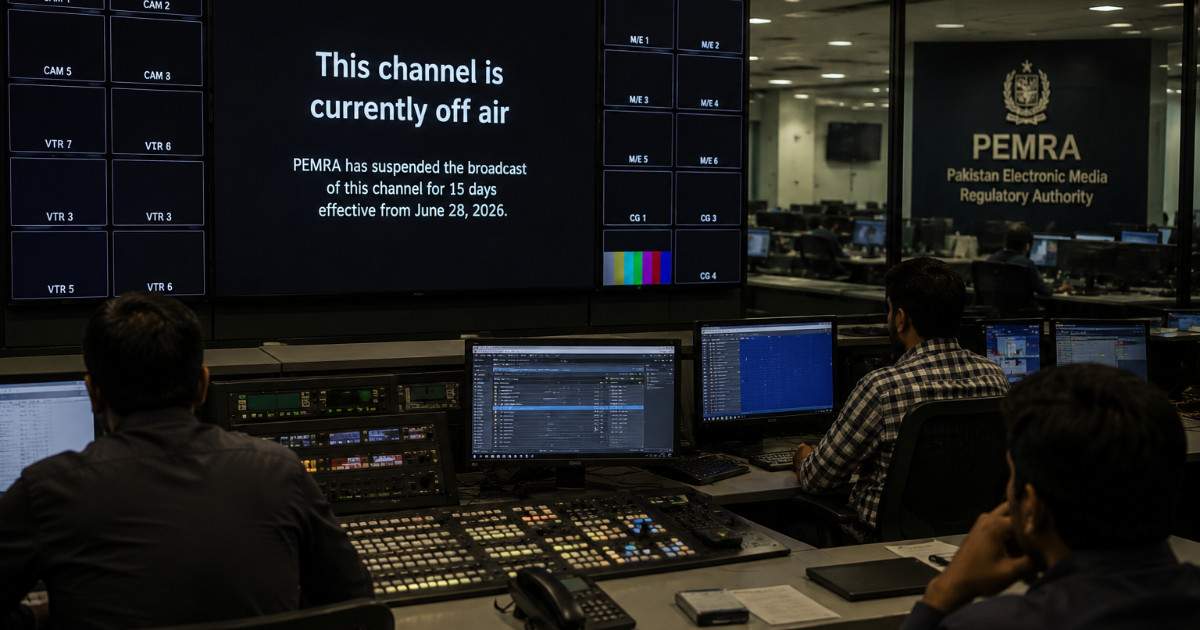
PEMRA is enforcing strict measures against the airing of illegal Indian content on television. The authority has mandated local broadcasters to adhere to a six-minute content limit and will act against violators starting October 15.

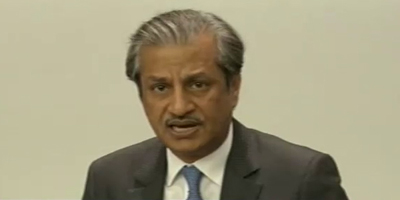
ISLAMABAD: Pakistan Electronic Media Regulatory Authority (PEMRA) has decided to launch a crackdown against illegal Indian satellite dishes and content on television channels and cable networks. Addressing a press conference Wednesday at PEMRA Headquarters, Chairman Absar Alam announced that the authority will ensure satellite channels adhere to six-minute per hour limit of Indian content in future.

He asked the administration of television channels and cable operators to voluntarily follow the rule adopted during ex-President Musharraf’s era – otherwise punitive action will be taken from October 15. Alam said that action will start with fines and may include suspension and revocation of the license for repeated violations.

He asked cable operators to immediately stop airing illegal Indian channels otherwise strict action will be taken against them. The PEMRA chairman said that a multi-pronged strategy has been devised to control the import, sale, purchase and use of illegal Indian satellite dishes in the country.

He appealed to the general public to stop the use of these illegal dishes as it was violation of the law and against national interests. He said under the strategy, help of Pakistan Telecommunication Authority, intelligence agencies, local police has been taken to curb this illegal practice.

He said that Federal Investigation Agency (FIA) will also be approached for ensuring that the business of illegal dishes is banned. He said that PEMRA will write letters to the chief ministers of all the provinces and the Federal Bureau of Revenue’s chairman as well.

“45 days have been given to broadcasters to stop airing the illegal Indian content and PEMRA will launch its own Direct to Home (DTH) television system by October this year,” Alam said. PEMRA’s chairman expressed disappointment over the attitude of television anchor persons who have not done any programme over the Indian atrocities in Occupied Kashmir as Indian forces were using deadly pellet guns.

He said that the regulating authority also plans to take action against morning shows that are violating code of conduct. - APP

Key Points

  • PEMRA to crack down on illegal Indian satellite dishes/content.
  • Broadcasters have 45 days to comply with content regulations.
  • Fines and license revocation are possible penalties for repeat offenders.
  • Collaboration with various agencies to curb illegal practices.
  • PEMRA plans to launch its own DTH television system by October.

Ask AI: Understand this story your way

AI Enabled

Dig deeper, ask anything — get instant context, background, and clarity.

Not sure what to choose? Try one of these.

The AI generates results based on your selected options
Your AI-generated results will appear here after you click the button.

Disclaimer: This feature is powered by AI and is intended to help readers explore and understand news stories more easily. While we strive for accuracy, AI-generated responses may occasionally be incomplete or reflect limitations in the underlying model. This feature does not represent the editorial views of JournalismPakistan. For our full, verified reporting, please refer to the original article.

Explore Further

Newsroom
Lawsuit against The Atlantic fuels press freedom concerns

Lawsuit against The Atlantic fuels press freedom concerns

 April 21, 2026 Kash Patel's defamation suit against The Atlantic has intensified scrutiny of legal pressures on journalists and raised concerns about press freedom.


Meera walkout puts focus on Irshad Bhatti's interview ethics

Meera walkout puts focus on Irshad Bhatti's interview ethics

 April 20, 2026 Irshad Bhatti's podcast interview with actor Meera drew criticism after he pressed personal topics and Meera walked out, sparking debate over media accountability.


One article, no newsroom: Viral piece sparks debate on Pakistan media

One article, no newsroom: Viral piece sparks debate on Pakistan media

 April 20, 2026 Dan Qayyum's viral article drew one million views in days, igniting debate about independent creators' reach and what it means for Pakistan's newsrooms.


Asia press freedom: A week of pressure and progress

Asia press freedom: A week of pressure and progress

 April 19, 2026 Across Asia, journalists faced growing legal pressure, expanded surveillance and attacks on media outlets, even as a key appointment boosted gender diversity.


Five reasons slow news days strengthen journalism

Five reasons slow news days strengthen journalism

 April 19, 2026 Slow news days give journalists time to verify facts, pursue in-depth reporting, and reduce errors, strengthening overall newsroom accuracy and long-form storytelling.


Popular Stories