
Pakistan's most embarrassing media moments of 2025
JournalismPakistan.com | Published: 2 January 2026 | JP Special Report
Join our WhatsApp channel
Pakistan's media in 2025 experienced significant ethical challenges, highlighted by violent incidents and state-driven propaganda. Notable events included chaotic talk shows and government-funded promotions blurring the line between news and advertising.Summary
ISLAMABAD — Pakistani media in 2025 witnessed several high-profile incidents that raised serious questions about ethics, professionalism, and accountability. From violent television talk shows to government-funded self-promotion and offensive speech, the year highlighted deep structural problems in the country’s media ecosystem. JournalismPakistan.com documented multiple episodes that stood out for all the wrong reasons.
These incidents were not isolated missteps but reflected broader trends of political polarization, weak editorial oversight, and blurred boundaries between journalism and propaganda. Together, they underscored how media platforms increasingly became instruments of conflict, personal attacks, and state messaging rather than public service journalism.
When talk shows turn battlegrounds: The ugly face of Pakistani TV
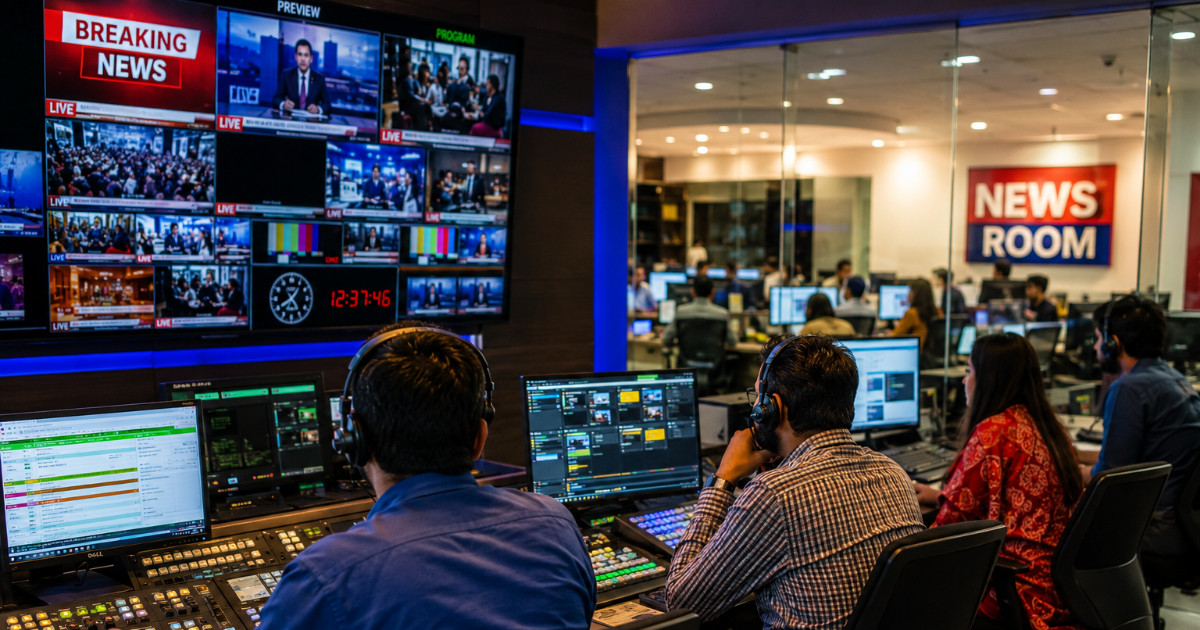
In January, a political talk show on BOL News became a symbol of the deterioration of on-air discourse in Pakistan. During a live episode of Aisay Nahin Chalay Ga, a heated exchange between Pakistan Muslim League-N representative Ikhtiar Wali and Pakistan Tehreek-e-Insaaf spokesperson Naeem Haider Panjutha escalated into verbal abuse and physical violence.
The confrontation began after Wali made remarks about former Prime Minister Imran Khan’s alleged illegitimate daughter, provoking a furious response from Panjutha, who retaliated with personal insults aimed at Punjab Chief Minister Maryam Nawaz. The exchange quickly spiraled into a physical scuffle involving slaps and punches, while host Dr. Fiza Khan repeatedly pleaded on air for the participants to stop.
Video clips of overturned chairs and disrupted studio equipment circulated widely on social media, prompting public criticism of both the guests and the channel. The incident reinforced concerns that television talk shows have prioritized sensationalism over responsible debate, with channels failing to enforce basic standards of conduct.
Media ethics collapse as Punjab government buys front pages for self-praise
In February, Pakistan’s leading Urdu newspapers faced backlash after entire front pages were taken over by paid advertisements from the Punjab government. Publications including Jang, Daily Express, and Daily Dunya carried content that closely resembled news reports but was, in fact, taxpayer-funded promotional material.
The front pages prominently featured Punjab Chief Minister Maryam Nawaz, with multiple photographs and headlines praising the provincial government’s performance. Some claims, such as announcing the province’s first cancer hospital, drew criticism for ignoring the existence of established institutions like the Shaukat Khanum Cancer Hospital.
The campaign concluded with official slogans promoting the Punjab government, blurring the line between journalism and political advertising. Media observers criticized both the government for excessive self-promotion and newspapers for compromising editorial integrity in exchange for advertising revenue.
Chief Minister’s 300 photos, 60 pages: Punjab’s advertising excess
The controversy over government advertising deepened later in February when the Punjab government published a 60-page newspaper supplement celebrating Maryam Nawaz’s first year in office. The supplement reportedly contained more than 300 photographs of the chief minister and highlighted over 90 development projects under slogans emphasizing hope and prosperity.
The scale of the supplement drew widespread criticism, particularly as it followed the earlier front-page takeovers. Critics argued that the extensive use of public funds for image-building reflected a troubling conflation of governance with publicity, at a time when economic pressures were affecting both citizens and independent media.
For many journalists, the episode illustrated how government advertising can distort media priorities and incentivize outlets to prioritize revenue over scrutiny, weakening the watchdog role of the press.
Shocking remarks against Sindhis: PTV suspends Rizwan Razi
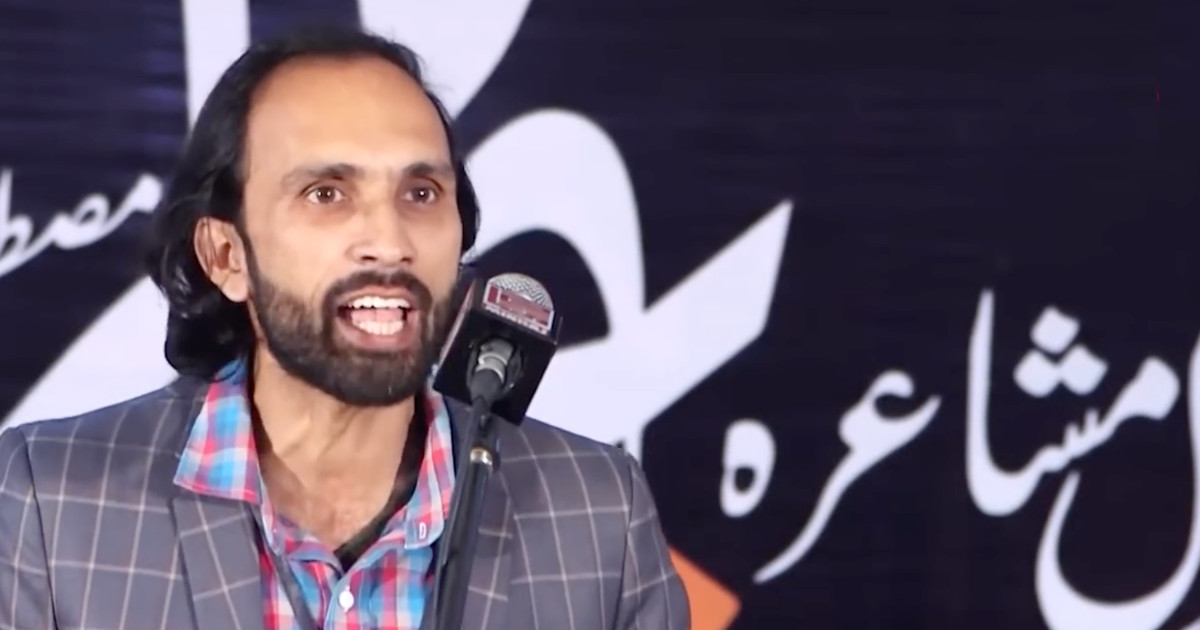
Another major controversy erupted when Pakistan Television suspended journalist Rizwan Razi, known as Razi Dada, after he used derogatory language against the people of Sindh in a YouTube vlog. Razi referred to Sindhis as the “offspring of monkeys” while discussing opposition to dam construction, remarks that quickly went viral on social media.
PTV issued a formal suspension notice stating that the comments were against the spirit of national harmony and caused distress to a large number of people. The notice, signed by Deputy Controller of Administration Muhammad Ibrahim, barred Razi from appearing on PTV until further orders.
The incident reignited debate over hate speech, personal accountability of journalists on digital platforms, and the responsibility of state broadcasters to uphold standards of inclusivity and respect, even when comments are made outside official broadcasts.
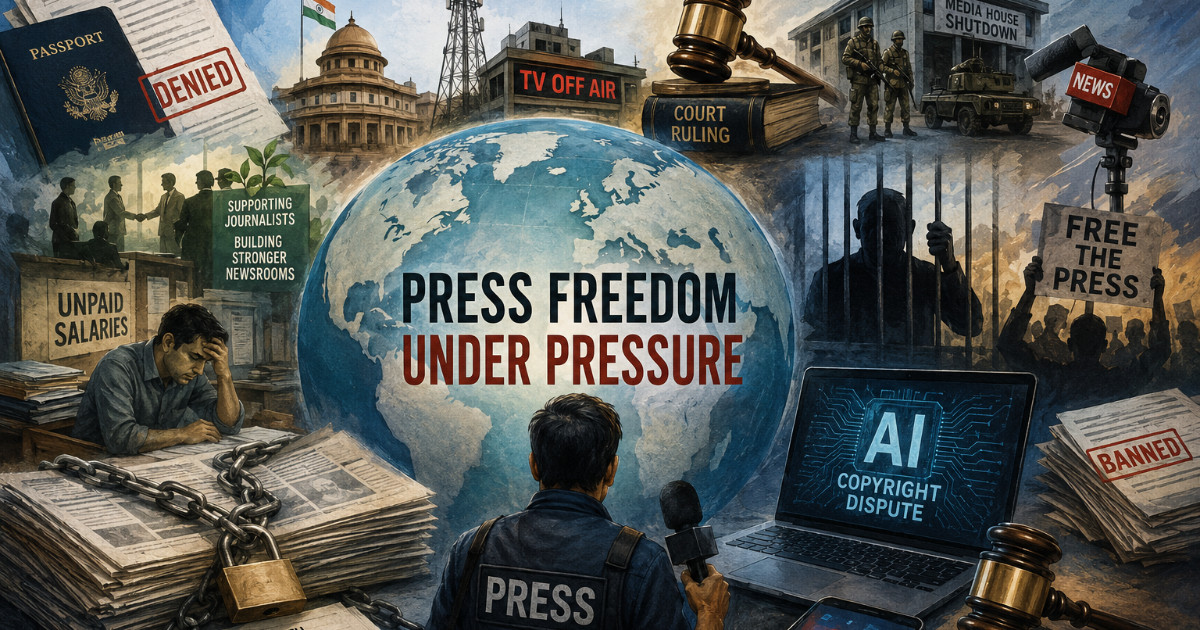
These episodes serve as a stark reminder that media credibility is fragile and easily eroded. When violence, propaganda, and prejudice are allowed to occupy airtime and front pages, journalism’s public trust suffers. Rebuilding that trust will require stronger editorial judgment, clearer ethical boundaries, and a renewed commitment to serving audiences rather than power or spectacle.
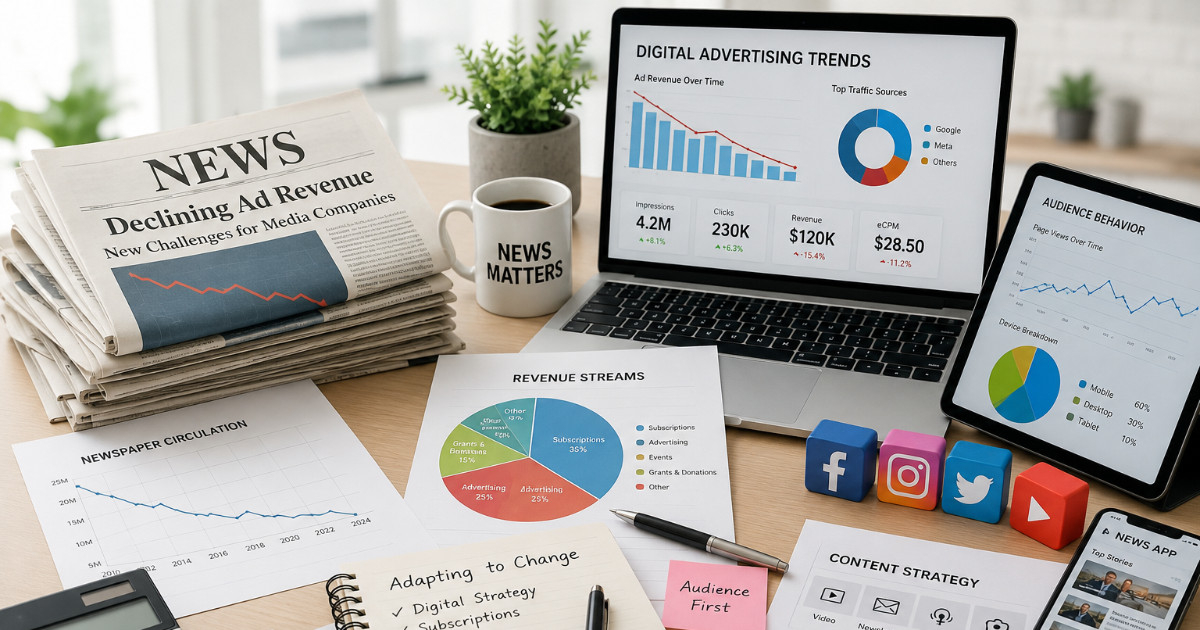
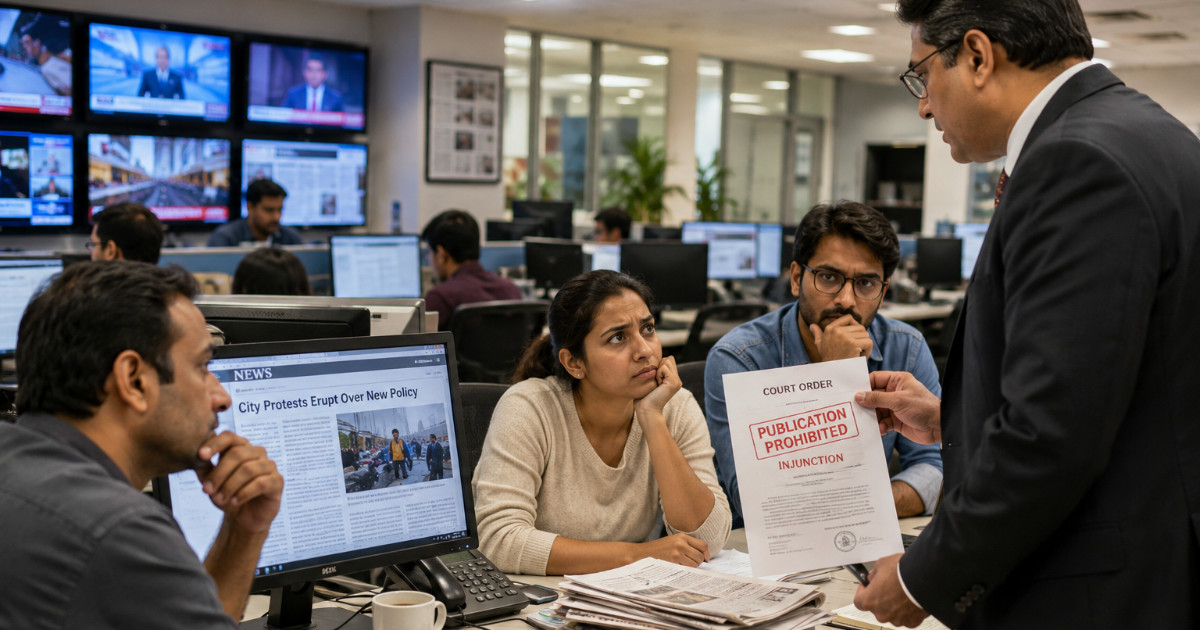
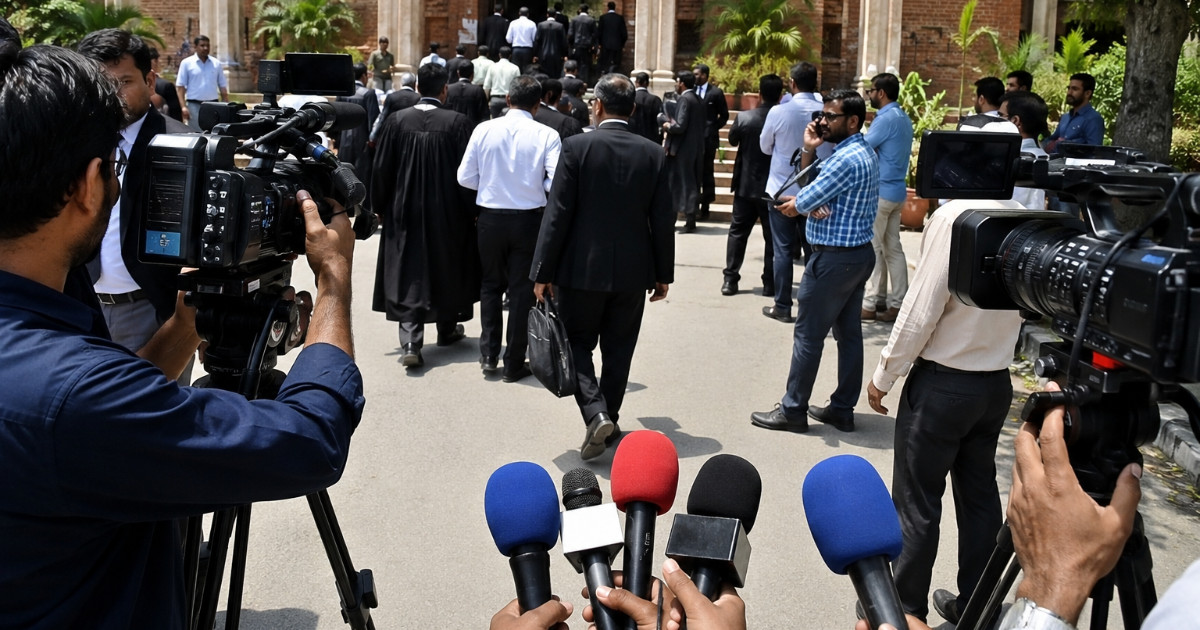
PHOTO: AI-generated; for illustrative purposes only
Key Points
- Pakistani media in 2025 faced multiple controversies, highlighting ethical and professional failures
- Violent on-air clashes underscored the breakdown of discipline in television talk shows
- The Punjab government's advertising blurred the line between journalism and political propaganda
- Excessive use of public funds for self-promotion raised accountability concerns
- PTV's suspension of a journalist followed widely condemned ethnic slurs made on social media.
Relevant Topics
Ask AI: Understand this story your way
AI EnabledDig deeper, ask anything — get instant context, background, and clarity.
Disclaimer: This feature is powered by AI and is intended to help readers explore and understand news stories more easily. While we strive for accuracy, AI-generated responses may occasionally be incomplete or reflect limitations in the underlying model. This feature does not represent the editorial views of JournalismPakistan. For our full, verified reporting, please refer to the original article.