.png)
U.S. appeal revives debate on DHS force against journalists
JournalismPakistan.com | Published: 7 January 2026 | JP Global Monitoring Desk
Join our WhatsApp channel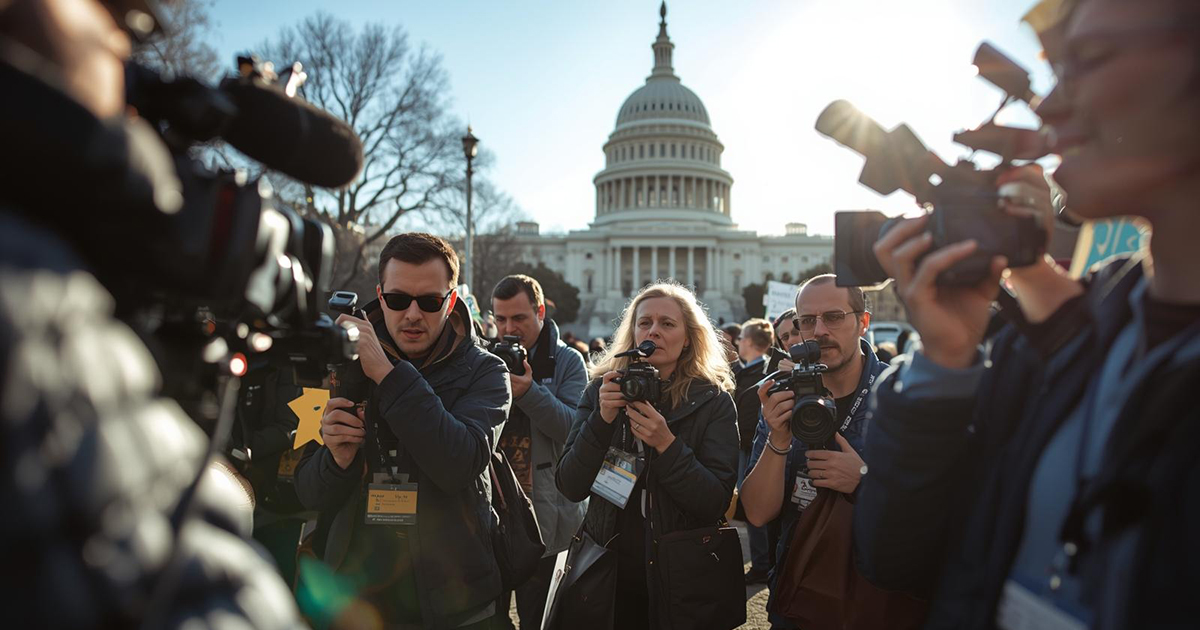
Federal authorities appealed a ruling that barred DHS officers from using excessive or indiscriminate force against clearly identifiable journalists during protest coverage, arguing such limits could impede rapid, uniform responses in volatile situations.Summary
WASHINGTON — Federal authorities on January 6, 2026, filed an appeal in a legal challenge over the use of force by the Department of Homeland Security against journalists covering public protests, reopening a dispute with significant implications for press freedom in the United States.
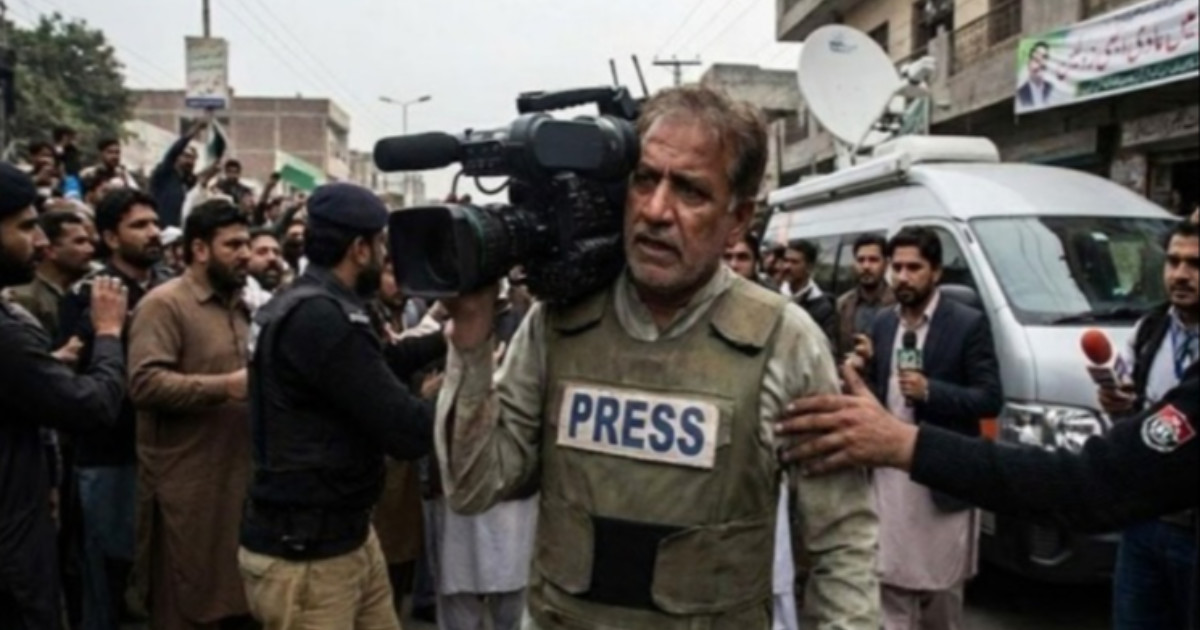
The appeal seeks to overturn a prior court ruling that blocked federal officers from using what the court described as excessive or indiscriminate force against clearly identifiable members of the press during protest coverage. That ruling was welcomed by press freedom advocates as a safeguard for journalists working in volatile public settings.
Legal stakes for press protections
At the center of the case is whether federal law enforcement agencies can be held to specific operational standards that recognize the role of journalists as independent observers during high-tension demonstrations. The earlier decision effectively required DHS personnel to distinguish between protesters and credentialed journalists when deploying crowd-control measures.
The government’s appeal argues that such restrictions could limit officers’ ability to respond quickly and uniformly in rapidly evolving situations. Attorneys for journalists and civil liberties groups counter that constitutional protections for newsgathering require heightened care, particularly when protests involve public scrutiny of government actions.
Background of protest coverage disputes
Conflicts between journalists and law enforcement during protest coverage have been documented across the United States in recent years, especially during demonstrations related to policing, elections, and social justice. In several instances, reporters and photographers have alleged injuries or equipment damage caused by crowd-control tactics.
Courts have previously issued temporary or permanent orders aimed at clarifying how law enforcement should interact with the press at demonstrations. These cases have contributed to a patchwork of legal standards, often varying by jurisdiction and circumstances.
Potential precedent and industry impact
Media organizations are closely watching the appeal because its outcome could influence how journalists assess risk when covering protests and civil unrest. A reversal of the lower court ruling could narrow legal protections, while its affirmation could strengthen arguments for nationwide standards recognizing press activity in public spaces.
Legal experts note that appellate decisions in such cases often shape future litigation involving journalists’ access and safety. The appeal is expected to be argued in the coming months, with a decision likely to resonate beyond the immediate parties involved.
ATTRIBUTION: Reporting based on court filings, public statements from federal authorities, and documentation from press freedom organizations.
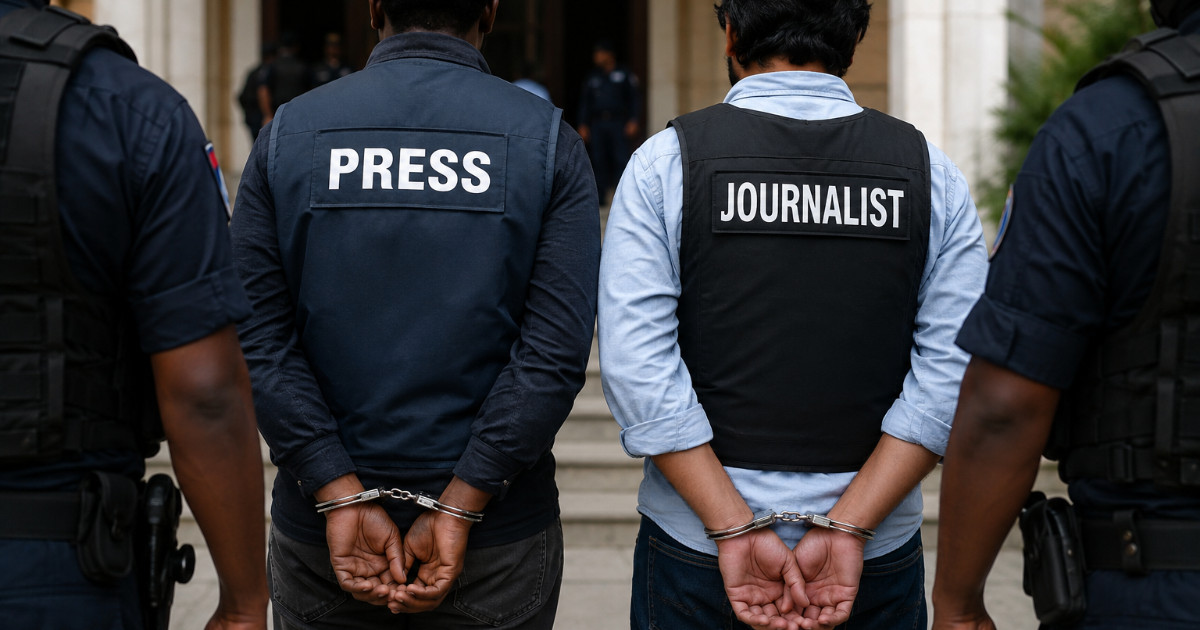
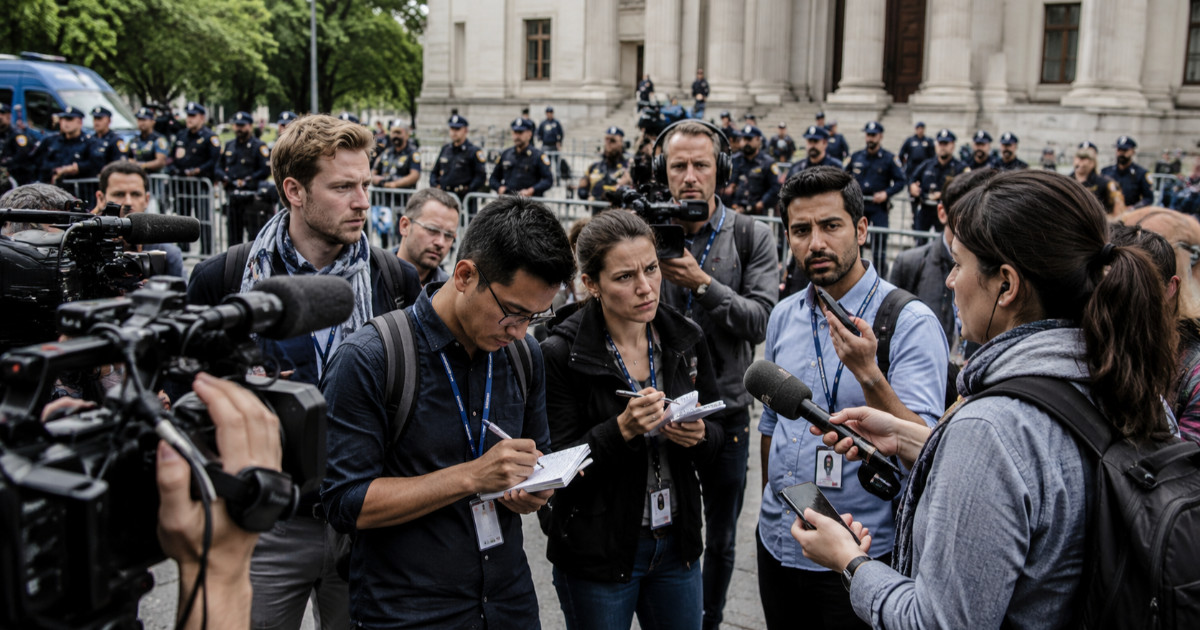
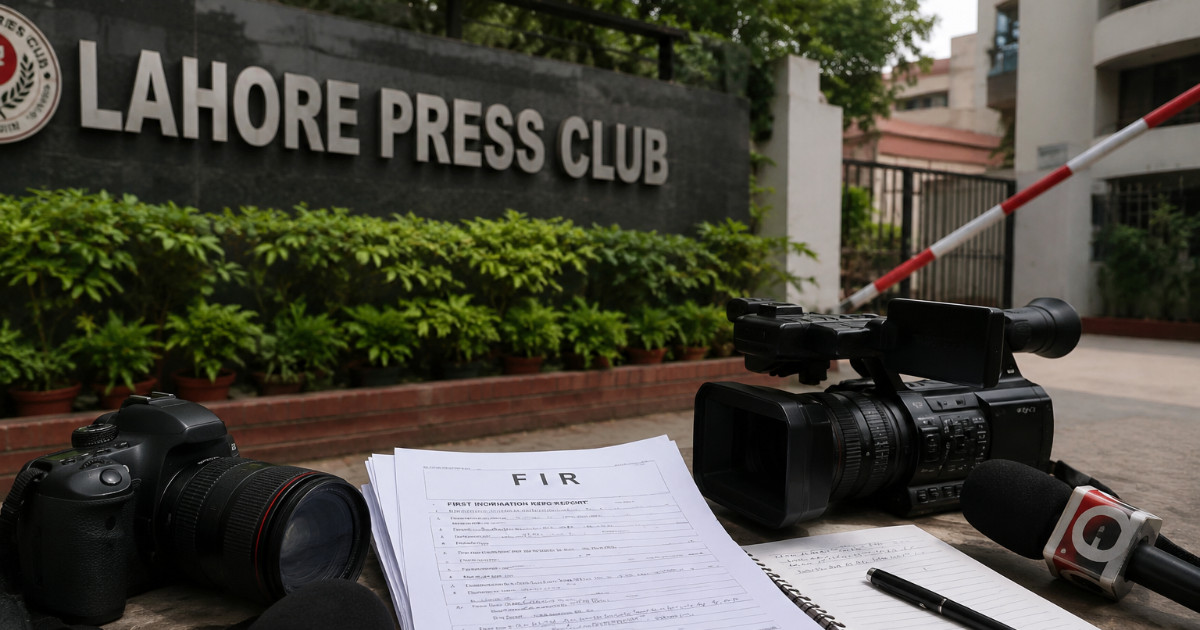
PHOTO: AI-generated; for illustrative purposes only.
Key Points
- Federal appeal filed Jan. 6, 2026 seeks to overturn a ruling limiting DHS use of force against journalists.
- A lower court barred excessive or indiscriminate force against clearly identifiable press during protest coverage.
- Central issue is whether law enforcement must recognize journalists as independent observers in crowd control.
- The government argues such operational limits could impede rapid, uniform responses in volatile situations.
- Press and civil liberties groups counter that constitutional protections require heightened care for newsgathering.
Relevant Topics
Ask AI: Understand this story your way
AI EnabledDig deeper, ask anything — get instant context, background, and clarity.
Disclaimer: This feature is powered by AI and is intended to help readers explore and understand news stories more easily. While we strive for accuracy, AI-generated responses may occasionally be incomplete or reflect limitations in the underlying model. This feature does not represent the editorial views of JournalismPakistan. For our full, verified reporting, please refer to the original article.