
Irish media groups warn Garda bill threatens reporter sources
JournalismPakistan.com | Published: 7 January 2026 | JP Global Monitoring Desk
Join our WhatsApp channel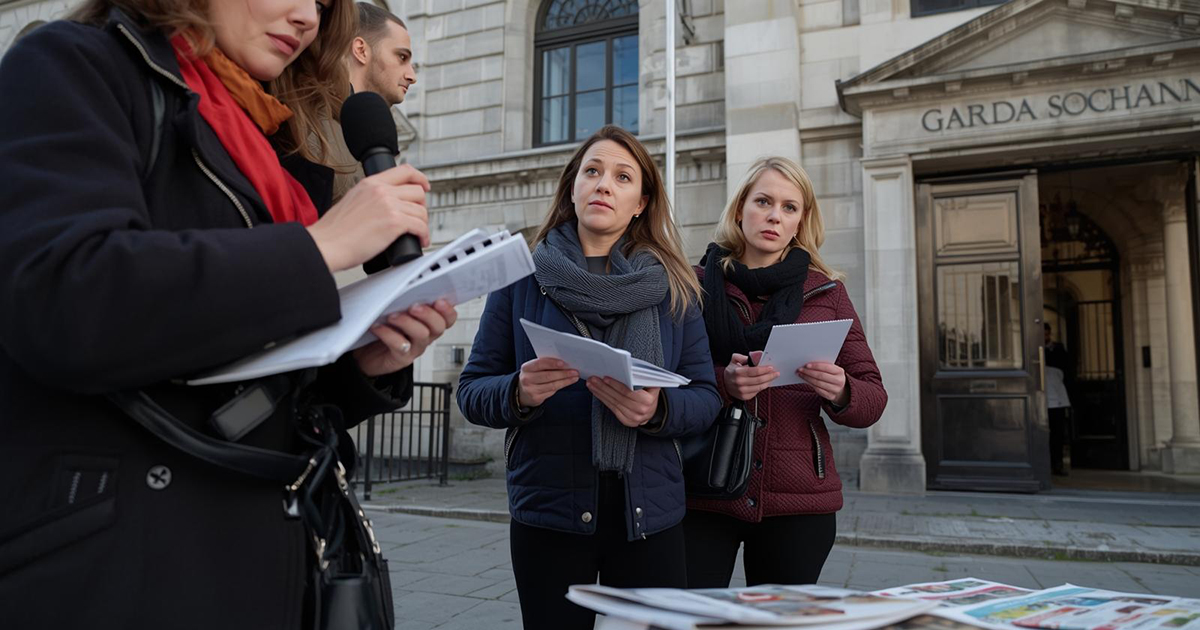
NewsBrands Ireland criticised the Garda Síochána (Powers) Bill for not explicitly protecting journalists' confidential sources, warning that allowing device searches and delayed privilege review could expose sources and weaken press freedoms.Summary
DUBLIN — The newly published Garda Síochána (Powers) Bill has sparked sharp criticism from NewsBrands Ireland, the representative body for Irish news publishers, for failing to explicitly enshrine protections for journalists’ confidential sources. The group warned that without stronger legal safeguards, the legislation could undermine press freedom and expose sensitive information sources to law enforcement. The bill, introduced by Justice Minister Jim O’Callaghan to modernise and consolidate police search and seizure powers, has been framed by the government as a necessary update for the digital age.
NewsBrands Ireland said the draft legislation does not extend absolute privilege to journalists in the way it does for legal professionals, leaving source protection to be addressed only after devices have been seized and accessed under a warrant. Critics say this approach could expose journalists’ confidential information before courts are able to consider claims of privilege.
Journalists fear loss of source confidentiality
In a statement, NewsBrands Ireland’s leadership underscored the importance of statutory recognition of journalistic privilege. They stressed that a High Court review after a seizure, as currently proposed, comes too late to protect sources and undermines recent judicial guidance affirming the constitutional necessity of source protection for a free press. The 2023 Supreme Court ruling by Judge Gerard Hogan held that source protection is integral to press freedom under the Irish Constitution, a point that has shaped arguments for stronger statutory safeguards.
Analysts and media rights advocates have also highlighted that Irish law currently does not require pre-seizure judicial review of claims of journalistic privilege, unlike comparable frameworks elsewhere, such as Northern Ireland. They argue this leaves journalists vulnerable to law enforcement access to devices containing confidential source material without an opportunity to assert privilege in advance.
Opposition voices in legal commentary say the bill’s failure to allow lower courts to consider journalist privilege, along with expanded powers to compel immediate access to electronic devices and passwords, could magnify existing constitutional concerns and lead to future legal challenges. They note that Ireland’s constitutional and human rights obligations, including under the European Convention on Human Rights, underpin journalists’ rights to protect sources.
Government defends bill and seeks balance
The Department of Justice has maintained that the bill will provide clarity and transparency in police powers, including statutory frameworks for seizure of electronic devices and assessment of claims of privilege. In its press release, the department stated that the proposed legislation aims to balance law enforcement needs with human rights considerations, including procedural protections.
As debates continue, media organisations and civil liberties advocates are likely to press for amendments that would require pre-seizure judicial hearings to determine the applicability of journalistic privilege, reinforcing protections for confidential sources and aligning Irish law more closely with international standards for press freedom.
ATTRIBUTION: Reporting by Irish news and legal sources.
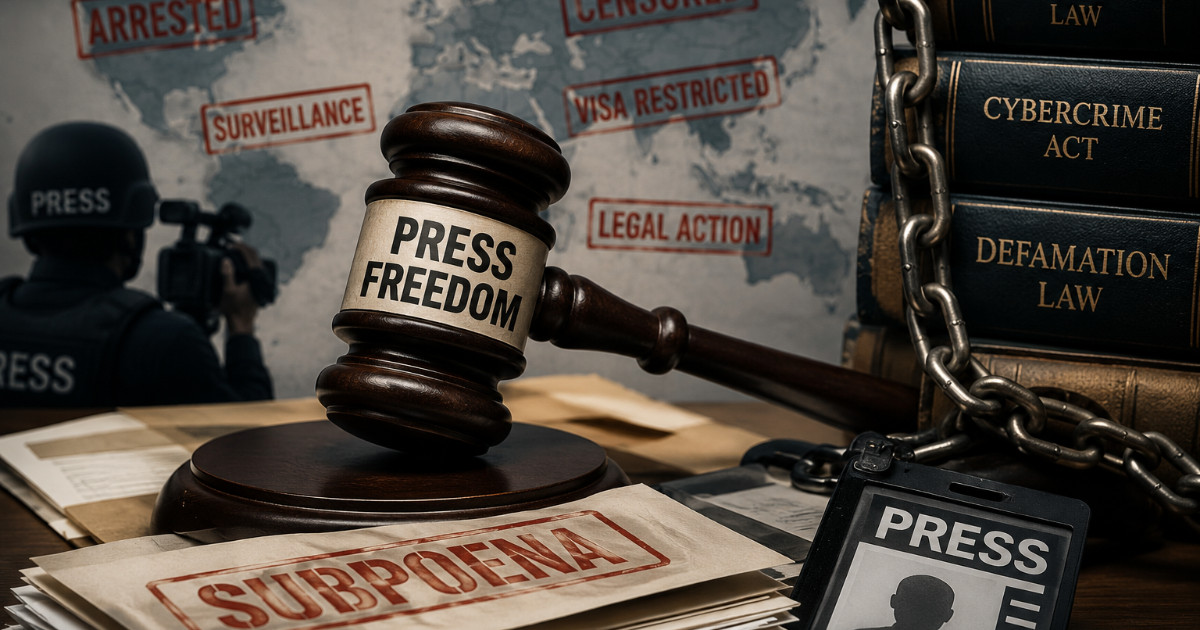
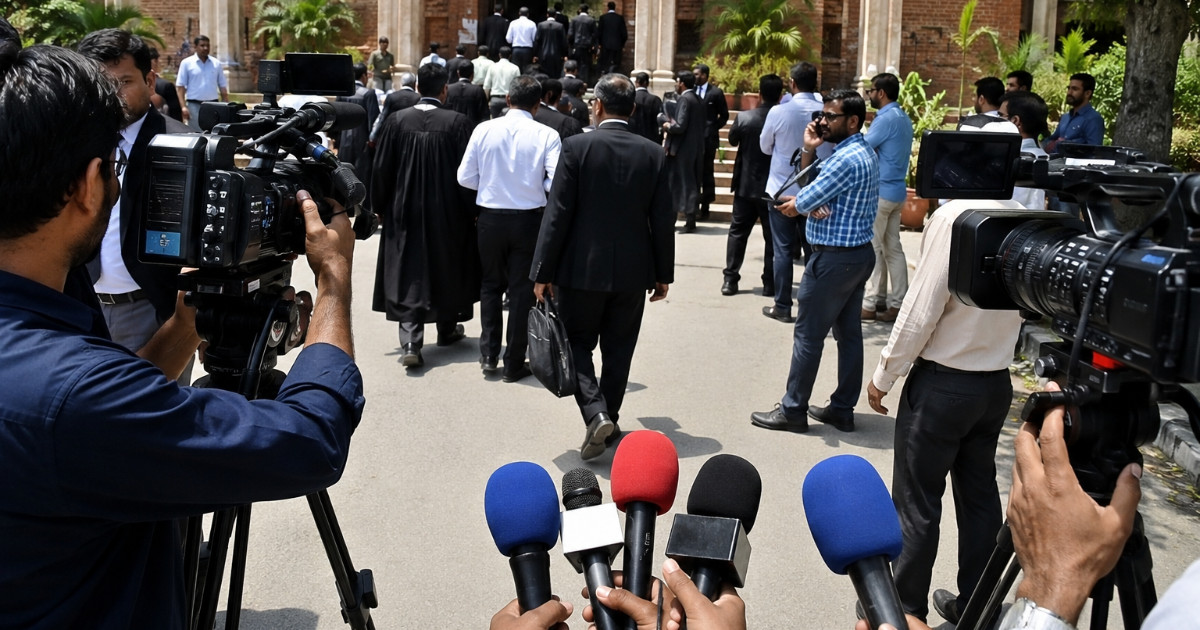
PHOTO: AI-generated; for illustrative purposes only
Key Points
- NewsBrands Ireland criticises the Garda Síochána (Powers) Bill for failing to explicitly protect journalists' confidential sources.
- The group warns device seizures and access prior to privilege determination could expose reporters' sources.
- The bill is framed as a modernisation of police search and seizure powers introduced by Justice Minister Jim O'Callaghan.
- Critics argue a post-seizure High Court review is too late to safeguard sources and may undermine press freedom.
- Reference is made to a 2023 Supreme Court ruling affirming source protection as integral to constitutional press freedom.
Relevant Topics
Ask AI: Understand this story your way
AI EnabledDig deeper, ask anything — get instant context, background, and clarity.
Disclaimer: This feature is powered by AI and is intended to help readers explore and understand news stories more easily. While we strive for accuracy, AI-generated responses may occasionally be incomplete or reflect limitations in the underlying model. This feature does not represent the editorial views of JournalismPakistan. For our full, verified reporting, please refer to the original article.