
Pakistani journalists reject in absentia convictions
JournalismPakistan.com | Published: 6 January 2026 | JP Staff Report
Join our WhatsApp channel
Pakistani journalists living abroad issued a joint statement rejecting reported in absentia convictions, citing lack of notice, due process violations, and concerns under Pakistan's constitution and international law.Summary
ISLAMABAD — A group of Pakistani journalists, analysts, and former public servants residing abroad has jointly rejected reported criminal convictions and sentences announced against them in absentia by an Anti-Terrorism Court in Pakistan, according to a formal statement issued this week.
The statement was issued jointly by journalists Shaheen Sehbai, Dr. Moeed Pirzada, Sabir Shakir, and Wajahat Saeed Khan, and Col. (R) Syed Akbar Hussain, Syed Haider Raza Mehdi, and retired Maj. Adil Farooq Raja.
The signatories said the reported rulings are linked to the events of May 9, 2023, and were learned about only through media reports after sentences had allegedly been pronounced. They addressed their statement to the international community, including governments, multilateral institutions, human rights mechanisms, media organizations, and legal observers.
Non-recognition of in absentia proceedings
The group stated that it does not recognize the legality, validity, or enforceability of any proceedings conducted without its knowledge or participation. They said they were never formally notified of charges, served summonses or indictments, informed of hearings, given access to evidence, or allowed to appear and defend themselves through counsel of their choosing.
According to the statement, proceedings conducted without notice, disclosure, or the opportunity to be heard do not meet minimum judicial standards and cannot be considered lawful adjudication under basic principles of justice.
Conflict with constitutional guarantees
The statement argues that Pakistan’s constitution guarantees the right to be dealt with in accordance with law, the security of a person, and the right to a fair trial and due process. The signatories said convictions announced without participation or effective defense are incompatible with these constitutional protections.
They added that even where domestic law allows limited proceedings in a person’s absence, such provisions cannot lawfully eliminate notice, representation, or the opportunity to be heard, describing the reported actions as a departure from constitutional norms.
International law and broader context
The statement further cites Pakistan’s obligations under international human rights law, including the International Covenant on Civil and Political Rights and principles of the Universal Declaration of Human Rights, which require a fair and public hearing by an independent tribunal and the right to be tried in one’s presence with legal assistance of one’s choosing.
The signatories also pointed to reporting by international press freedom and human rights organizations documenting concerns in Pakistan related to the use of anti-terrorism laws against journalists and critics, and alleged pressures on judicial independence. They said the actions against them should be viewed within this broader context.
Calls for transparency and accountability
In their statement, the group said they are reserving all legal rights and remedies available under Pakistan’s constitution, international human rights mechanisms, and applicable foreign legal systems. This includes seeking review and accountability through national and international forums.
They also called on relevant authorities to publish any written judgments, disclose alleged evidence, clarify the legal basis for proceeding without notice or participation, and provide assurances against the use of judicial processes for intimidation or transnational repression.
The statement concludes that justice derives legitimacy from fairness, transparency, and independence, warning that proceedings conducted in secrecy and without participation undermine, rather than strengthen, institutions.
ATTRIBUTION: Reporting based on a joint public statement issued by the named signatories.
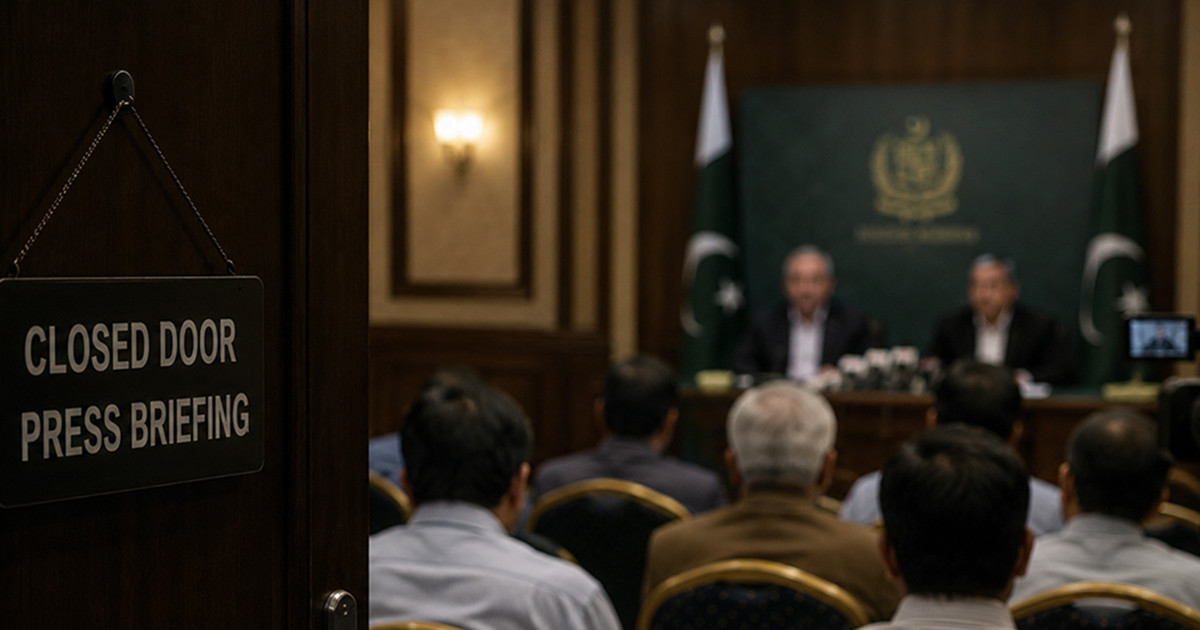
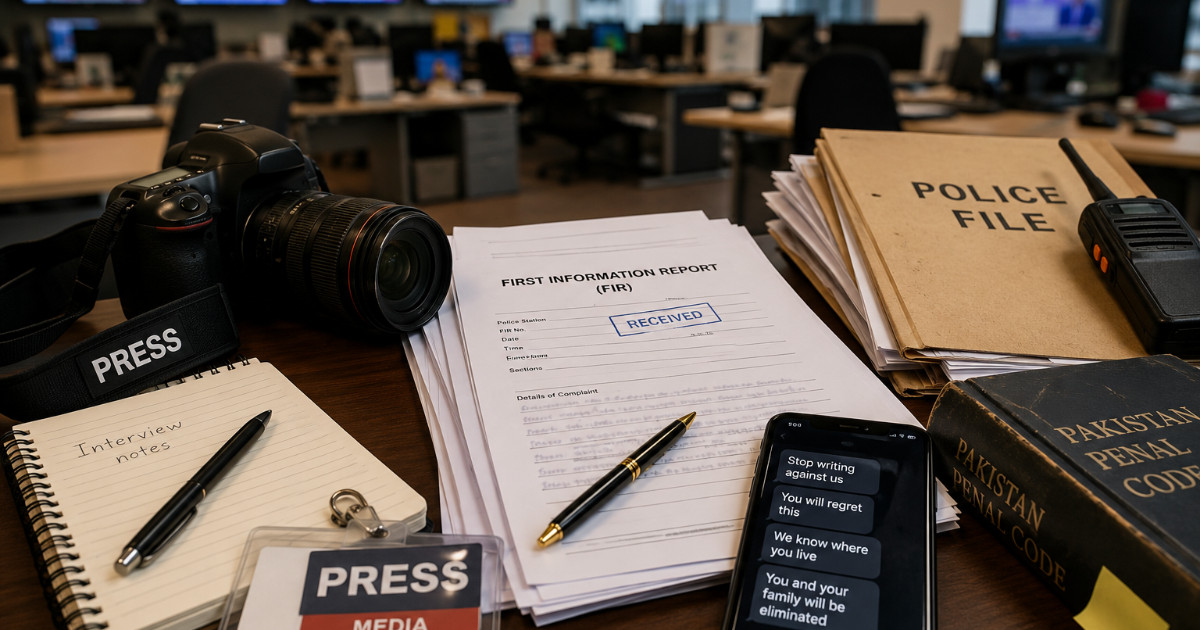
PHOTO: AI-generated; for illustrative purposes only
Key Points
- Journalists abroad rejected reported in absentia convictions linked to the May 9, 2023, events
- Signatories say they received no notice, charges, or opportunity to defend themselves
- Statement cites violations of Pakistan’s constitution and international human rights law
- Group calls for publication of judgments, evidence disclosure, and legal clarity
Relevant Topics
Ask AI: Understand this story your way
AI EnabledDig deeper, ask anything — get instant context, background, and clarity.
Disclaimer: This feature is powered by AI and is intended to help readers explore and understand news stories more easily. While we strive for accuracy, AI-generated responses may occasionally be incomplete or reflect limitations in the underlying model. This feature does not represent the editorial views of JournalismPakistan. For our full, verified reporting, please refer to the original article.