
Pakistan ranked 159 out of 180 on media freedom index
JournalismPakistan.com | Published: 12 February 2015
Join our WhatsApp channel
Pakistan has been ranked 159th out of 180 countries by Reporters Without Borders, highlighting a drastic decline in media freedom. Factors contributing to this decline include extremist groups and information wars.Summary
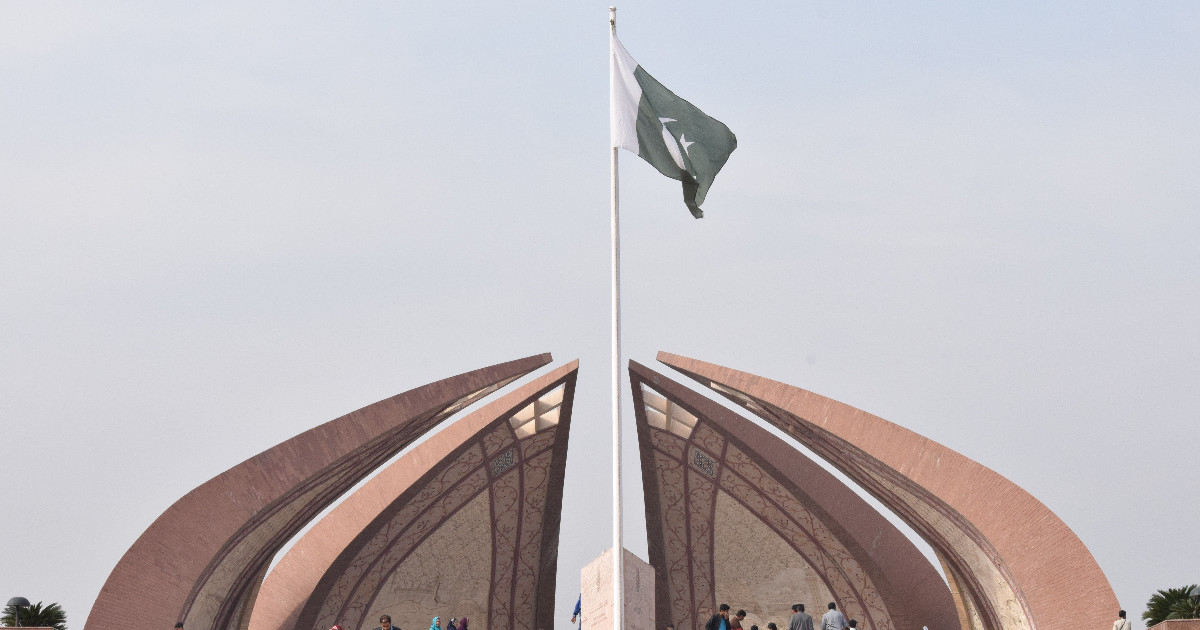
PARIS: In its annual evaluation, the watchdog group Reporters Without Borders ranked Pakistan 159 out of 180 countries where media freedom suffered a “drastic decline” in 2014.
The media freedom suffered due to the insurgence of extremist groups such as the Islamic State and Boko Haram, the evaluation found.
“There has been an overall deterioration linked to very different factors, with information wars, and action by non-state groups acting like news despots,” the head of the Paris-based group, Christophe Deloire, told AFP.
The Reporters Without Borders 2015 World Press Freedom Index stated that there were 3,719 violations of freedom of information in 180 countries in 2014 – eight per cent more than a year earlier.
All parties in conflicts raging in the Middle East and Ukraine were waging “a fearsome information war” where media personnel were directly targeted to be killed, captured or pressured to relay propaganda, it said.
The Islamic State group active in Syria and Iraq, Boko Haram in northern Nigeria and Cameroon, and criminal organizations in Italy and Latin America all used “fear and reprisals to silence journalists and bloggers who dare to investigate or refuse to act as their mouthpieces,” said the watchdog, known by its French initials RSF.
North Africa and the Middle East contained notable “black holes” in which “entire regions are controlled by non-state groups in which independent information simply does not exist,” the group said.
“The criminalisation of blasphemy endangers freedom of information in around half of the world’s countries,” the report said, noting that religious extremists sometimes also go after journalists or bloggers they believe do not sufficiently respect their god or prophet.
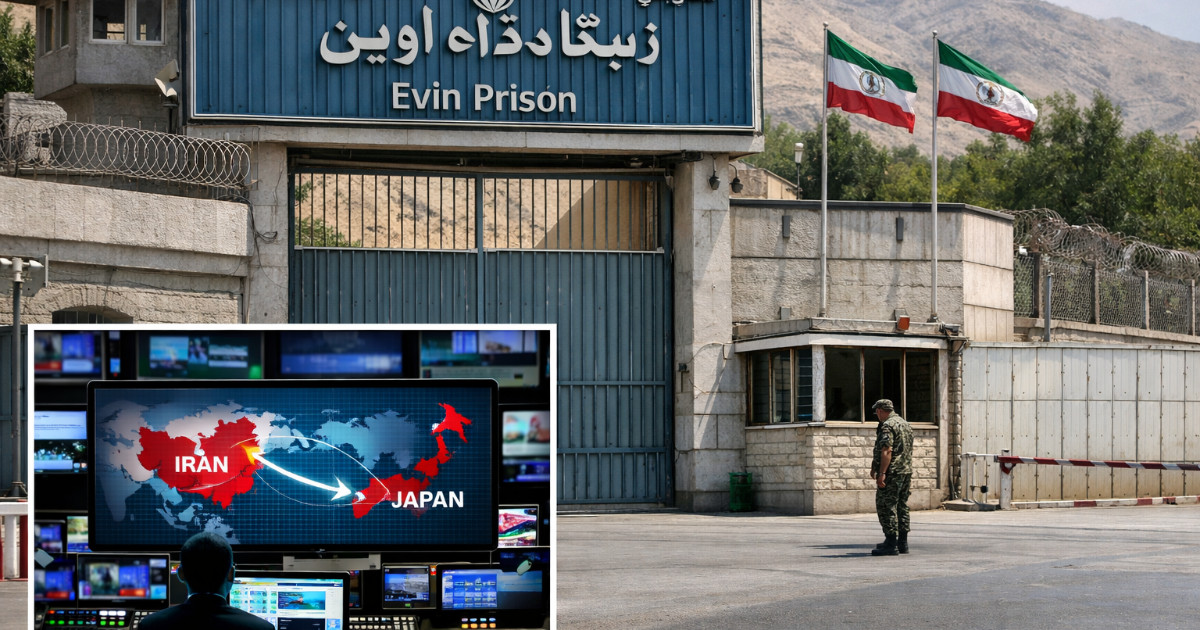
RSF’s ranking put Iran, China, Syria and North Korea among the countries with the very worst levels of press freedom out of the 180 evaluated.
Repression of journalists in Ukraine during its early-2014 uprising against its pro-Kremlin president, and in Turkey during anti-government demonstrations earned both spots in the bottom quarter of the table.
“Police misconduct” during the Occupy Central protests in Hong Kong earned that territory a slide to 70th position.
The best-rated nations were northern European states such as Finland, Norway, Denmark, the Netherlands and Sweden, with New Zealand, Canada and Jamaica also making the top 10.
The United States ranked 49, three spots lower than in the previous report, in part because of what RSF said was the US government’s “war on information” against WikiLeaks and others.
In South America, Venezuela stood out with a 20-notch fall to a ranking of 137 due to the National Bolivarian Guard opening fire on clearly identified journalists during demonstrations. Libya dropped 17 places to 154 because of the national chaos that has seen seven journalists murdered and 37 kidnapped.
Russia slipped to the 152nd spot after introducing “another string of draconian laws,” website blocking and the extinction of independent media.
“Press freedom… is in retreat on all five continents,” RSF declared, claiming its indicators were “incontestable”. - AFP
Key Points
- Pakistan ranked 159 out of 180 in media freedom index.
- Drastic decline linked to extremist groups like the Islamic State.
- 3,719 violations of information freedom recorded in 2014.
- North Africa and the Middle East have significant information control issues.
- Countries like Iran, China, and North Korea had the worst press freedom rankings.
Relevant Topics
Ask AI: Understand this story your way
AI EnabledDig deeper, ask anything — get instant context, background, and clarity.
Disclaimer: This feature is powered by AI and is intended to help readers explore and understand news stories more easily. While we strive for accuracy, AI-generated responses may occasionally be incomplete or reflect limitations in the underlying model. This feature does not represent the editorial views of JournalismPakistan. For our full, verified reporting, please refer to the original article.