
When Geo News came back but was harder to find
JournalismPakistan.com | Published: 28 November 2026 | JP Staff Report
Join our WhatsApp channel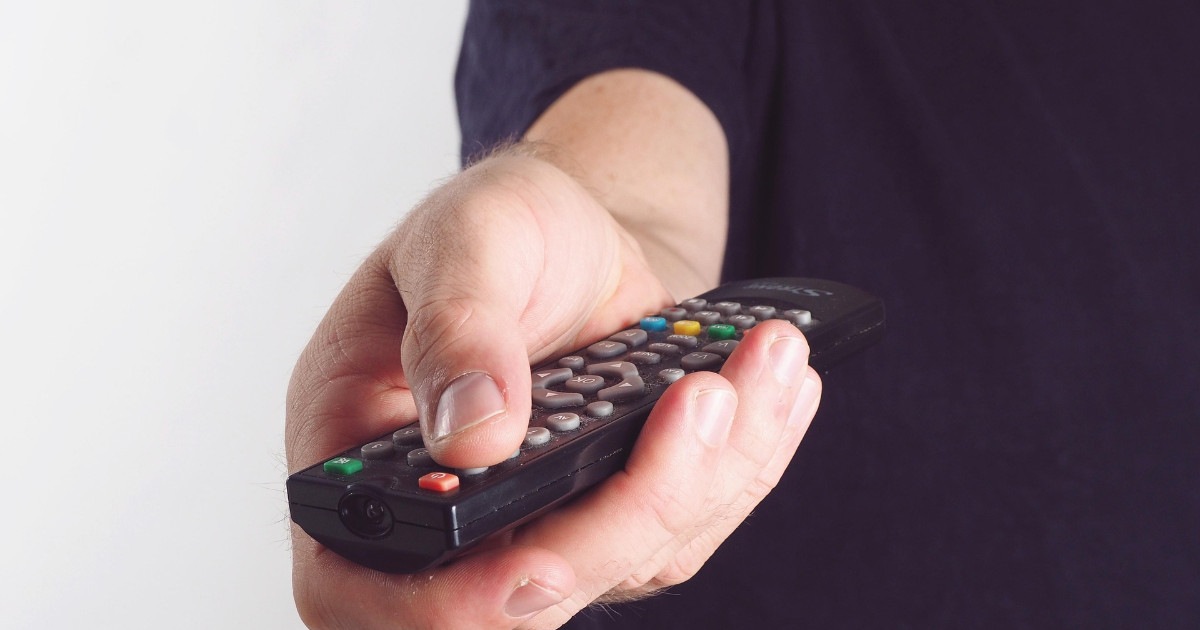
In July 2014 Geo News resumed broadcasting after a turbulent period marked by the attack on anchor Hamid Mir, allegations implicating intelligence agencies and a PEMRA suspension; disputes over cable placement highlighted who controls audience access to news.Summary
Revisiting the stories, people, and events that shaped journalism, and what they tell us today
From the JP Archives | Original report published July 8, 2014 | Edition 02 · November 28, 2026
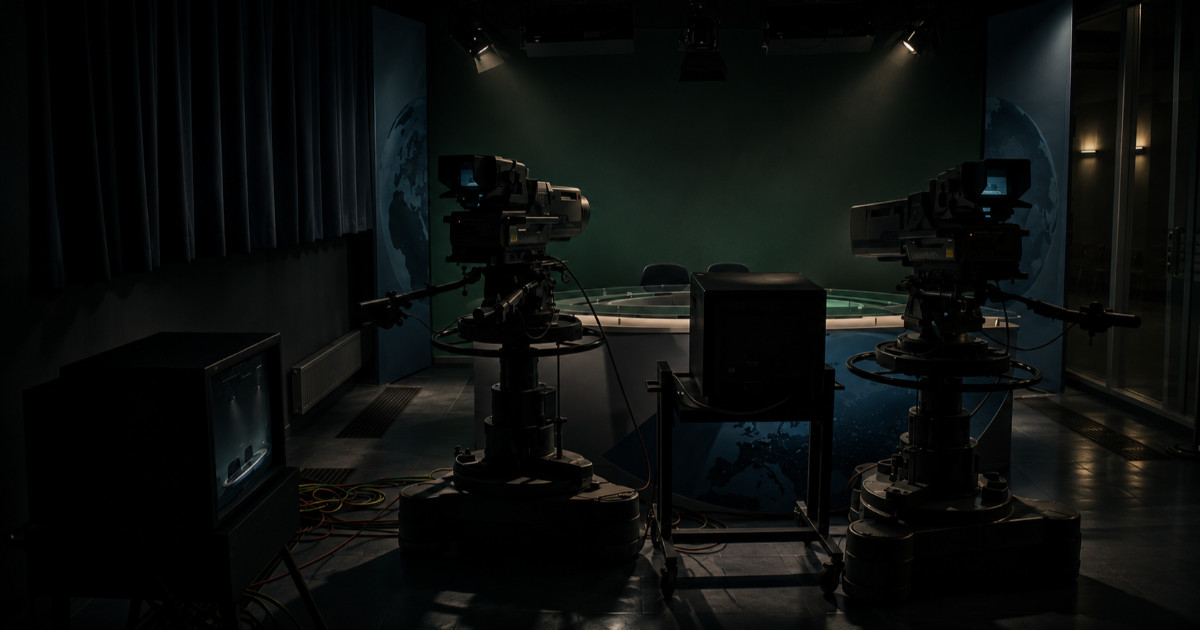
Geo News was broadcasting again in July 2014, but JournalismPakistan reported that it was still outside the usual cluster of news channels. The episode raises a question that now applies to search results and social feeds too. Who decides how easily audiences can find the news?
ISLAMABAD — When Geo News returned to air in 2014, viewers accustomed to finding it alongside other news channels had reason to keep looking. On July 8, JournalismPakistan reported that the channel was back but was still being placed outside the group of news stations where it had appeared before the attack on anchor Hamid Mir.
The change in placement came after a turbulent spring for the broadcaster. Mir was shot in Karachi in April. Geo aired allegations that the Inter-Services Intelligence directorate was involved in the attack, which the agency denied. On June 6, the Pakistan Electronic Media Regulatory Authority (PEMRA) suspended Geo News’s licence for 15 days and imposed a Rs10 million fine.
What the cable lineup could do
By July 8, PEMRA was dealing with complaints about cable distribution. The regulator warned operators against taking licensed channels off air or moving them without permission. Its warning also addressed complaints about unauthorised channels. JournalismPakistan reported Geo News’s placement as part of that broader story.
A channel’s position mattered most when viewers were browsing. Someone who knew the new number could go straight to it. Someone moving through the usual block of news stations could skip past the entire group without seeing Geo News. The July report documented the placement issue. It left open how widely the channel had been moved and how many viewers were affected.
From channel numbers to search and feeds
The cable lineup gave viewers a menu. Search engines and social platforms also arrange what audiences see, often in a different order from one person to the next. A report can be live on a publisher’s website and still be hard to come across unless readers search for it directly, follow the outlet or receive a link from someone else.
The Reuters Institute’s Digital News Report 2026 found that across the markets it surveyed, social media and video networks were more widely used as sources of news than television or news organisations’ own websites and apps. For a broadcaster, that makes a place in a feed or among recommended videos another route to the audience, alongside the cable lineup.
Last week’s archive edition revisited a 2012 newsroom ban on JournalismPakistan. This week’s story looks at what happens at the audience’s end. Once a channel is back on air, who decides how easily viewers can find it?
From the JP Archives: This article revisits JournalismPakistan’s July 8, 2014, reporting on PEMRA’s warning to cable operators and Geo News’s placement outside the usual lineup of news channels. It examines how channel placement shaped what viewers could find and why that question still matters in the age of search and social feeds. The account of Geo News’s cable placement reflects what JournalismPakistan reported in July 2014.
- July 8, 2014 — PEMRA warns cable operators
ATTRIBUTION: From the JP Archives | Original reporting by JournalismPakistan, July 8, 2014. Additional context from the Committee to Protect Journalists’ June 6, 2014, report and the Reuters Institute’s Digital News Report 2026. Retrospective by JournalismPakistan.
PHOTO: A television remote illustrates how a channel’s position could affect whether viewers found it. In July 2014, JournalismPakistan reported that Geo News was back on air but was being placed outside the usual lineup of news channels. Illustrative photo by HolgersFotografie from Pixabay
Key Points
- Geo News resumed broadcasting in July 2014 after suspension and controversy.
- Anchor Hamid Mir's shooting and allegations against intelligence agencies preceded the dispute.
- PEMRA had suspended the channel and fined it, affecting its distribution.
- Cable operators were warned about moving or removing licensed channels without permission.
- The episode highlighted broader questions about who controls visibility and access to news.
Key Questions & Answers
Why was Geo News hard to find after it resumed broadcasting?
After the channel's return in July 2014 it was placed outside the main cluster on cable systems amid regulatory action and distribution disputes, which made it less visible to viewers.
What prompted PEMRA's suspension of Geo News?
PEMRA suspended Geo's licence and fined it following coverage alleging intelligence agency involvement in the attack on anchor Hamid Mir, citing violations of broadcasting rules.
How did cable operators respond to the channel's return?
Some operators moved Geo News from its previous position or faced complaints; PEMRA warned against taking licensed channels off air or altering placement without permission.
What broader issue does this episode illustrate?
The case raises questions about who decides how easily audiences can find news, a concern that extends to search results and social media feeds today.
Ask AI: Understand this story your way
AI EnabledDig deeper, ask anything — get instant context, background, and clarity.
Disclaimer: This feature is powered by AI and is intended to help readers explore and understand news stories more easily. While we strive for accuracy, AI-generated responses may occasionally be incomplete or reflect limitations in the underlying model. This feature does not represent the editorial views of JournalismPakistan. For our full, verified reporting, please refer to the original article.