
What Pakistan's young journalists are really paid
JournalismPakistan.com | Published: 7 March 2026 | JP Staff Report
Join our WhatsApp channel
Early-career journalists in Pakistan typically earn modest monthly salaries, around Rs35,000-Rs60,000 for entry-level roles and an average of about Rs51,000 nationally. At the same time, payments can be delayed, and job security remains limited amid tight media budgets.Summary
ISLAMABAD — For many young journalists entering Pakistan’s media industry, the promise of a dynamic career often collides with financial realities marked by modest starting salaries, delayed payments, and limited job security.
Industry data suggests that early-career journalists in Pakistan typically earn modest monthly salaries compared with other professional sectors. Salary tracking platforms estimate the average journalist’s pay at roughly Rs51,000 per month, with higher earnings in large cities such as Karachi and slightly lower averages in Islamabad and Lahore. For many entry-level reporters, however, actual pay can be lower depending on the organization and employment arrangement.
The situation reflects broader structural pressures within Pakistan’s media industry, where advertising revenues fluctuate, and many organizations operate with tight budgets.
Entry-level pay often falls below expectations
Young reporters beginning their careers often start with salaries ranging roughly between Rs35,000 and Rs60,000 per month, depending on the outlet and role. Media organizations in larger markets such as Karachi may offer somewhat higher starting pay compared with regional outlets.
Online salary data indicates that journalists with less than two years of experience typically earn around Rs590,000 annually on average, or about Rs49,000 per month. Salaries increase gradually with experience, but the early years remain financially challenging for many media professionals.
These figures often represent formal salary estimates rather than guaranteed earnings. In practice, some young reporters work under freelance contracts, temporary arrangements, or probationary terms that may involve stipends instead of full salaries.
Delayed payments and job insecurity
Payment delays remain a persistent issue in parts of Pakistan’s media sector. Media worker groups and parliamentary discussions in recent years have highlighted concerns about unpaid wages, job insecurity, and the use of contractual employment rather than permanent positions.
Government officials have acknowledged the problem. In July 2025, the Punjab government announced that official advertising payments to media organizations could be withheld if those outlets fail to pay employees on time, an attempt to encourage more consistent salary practices.
For many young journalists, however, the early stages of the profession still involve uncertainty, especially in smaller newsrooms where financial pressures are acute.
Passion versus financial sustainability
Despite the financial challenges, journalism continues to attract young graduates interested in reporting, public accountability, and storytelling.
Media educators note that early career journalists often gain valuable experience quickly, covering politics, social issues, and breaking news that can shape their professional trajectories.
Still, industry observers say the financial realities raise questions about sustainability. If low pay and delayed salaries persist, newsrooms may struggle to retain talented reporters who may eventually move into corporate communications, digital media, or other higher-paying fields.
WHY THIS MATTERS: For Pakistani journalists, the story highlights a persistent structural issue within the media ecosystem: financial instability at the entry level. Low starting salaries and delayed payments can affect newsroom morale, retention, and the long-term sustainability of professional journalism. Understanding these realities can help media organizations, educators, and policymakers address workforce challenges facing the industry.
ATTRIBUTION: Based on salary data published by Indeed (December 7, 2025) and a Punjab government policy regarding journalists’ salaries announced by the Punjab government on July 30, 2025.
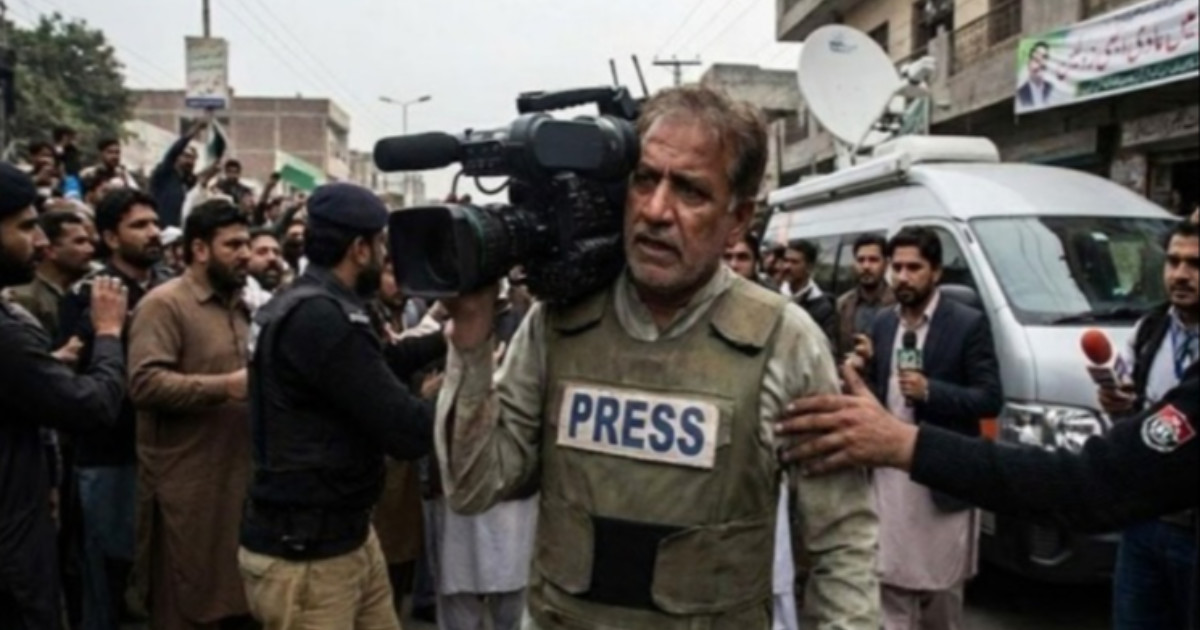
PHOTO: AI-generated; for illustrative purposes only.
Key Points
- Average estimated monthly pay is roughly Rs51,000; many entry-level reporters earn between Rs35,000 and Rs60,000.
- Salaries vary by city, with larger markets like Karachi generally paying more than Islamabad or Lahore.
- Early-career journalists commonly face delayed payments and informal employment arrangements.
- The media industry's tight budgets and fluctuating advertising revenue put pressure on wages.
- Pay typically rises with experience, but initial years remain financially challenging for many reporters.
Key Questions & Answers
What do young journalists in Pakistan typically earn?
Entry-level salaries commonly range from about Rs35,000 to Rs60,000 per month, with a national average near Rs51,000.
Do salaries vary across cities?
Yes; larger markets such as Karachi generally offer higher pay, while Islamabad, Lahore and regional outlets often pay less.
Are payments to journalists reliable?
Payments can be delayed and some earnings depend on informal or contractual arrangements rather than guaranteed monthly salaries.
Does experience improve pay quickly?
Salaries generally increase with experience, but gains are gradual and many early-career journalists still face financial strain.
Ask AI: Understand this story your way
AI EnabledDig deeper, ask anything — get instant context, background, and clarity.
Disclaimer: This feature is powered by AI and is intended to help readers explore and understand news stories more easily. While we strive for accuracy, AI-generated responses may occasionally be incomplete or reflect limitations in the underlying model. This feature does not represent the editorial views of JournalismPakistan. For our full, verified reporting, please refer to the original article.