.png)
Washington Post seeks return of devices seized from reporter
JournalismPakistan.com | Published: 22 January 2026 | JP Global Monitoring
Join our WhatsApp channel
On January 21 The Washington Post petitioned a federal court to return devices seized from reporter Hannah Natanson during an FBI search in a leak probe, arguing the seizure risks exposing unpublished reporting and confidential sources.Summary
WASHINGTON — The Washington Post on January 21 petitioned a United States federal court to order the return of electronic devices seized from the home of reporter Hannah Natanson during an FBI search connected to a national security leak investigation. The newspaper said the seizure raised serious constitutional concerns because the materials may contain newsgathering work product and confidential source information.
The petition was filed after federal investigators executed a search warrant at Natanson’s residence as part of an inquiry into the unauthorized disclosure of sensitive government information. The Post argued that taking a journalist’s devices risks exposing unpublished reporting and undermining long-standing protections for the press under the First Amendment.
Legal challenge centers on press protections
A United States magistrate judge has temporarily barred authorities from examining the seized materials while the court considers the Post’s request. A hearing in the case is scheduled for February 6, during which the court will assess whether the devices should be returned and what limits, if any, should apply to government access to journalistic materials.
The Washington Post has said the search and seizure conflict with Justice Department policies that are intended to restrict investigative steps involving members of the news media. Those policies generally require heightened approval and emphasize the need to avoid interfering with newsgathering activities except in narrowly defined circumstances.
Press freedom groups warn of chilling effect
Press freedom and civil liberties organizations have warned that seizing reporters’ devices in leak investigations could deter whistleblowers from coming forward and discourage investigative reporting on matters of public interest. They argue that even temporary government possession of journalists’ electronics can compromise source confidentiality and newsroom independence.
While the government has not publicly detailed its legal justification beyond the existence of a warrant, the dispute highlights the tension between national security investigations and press freedoms. Courts have historically been asked to balance these competing interests, particularly when reporters are not themselves accused of wrongdoing.
Potential implications beyond this case
Legal experts say the outcome could influence how future leak investigations involving journalists are conducted in the United States. A ruling that reinforces limits on searches of reporters’ materials may strengthen press protections, while a broader allowance could expand law enforcement authority in cases involving classified information.
Because U.S. press freedom standards often serve as reference points internationally, observers note that the case could also be cited in debates beyond the United States about how governments treat journalists during sensitive investigations.
ATTRIBUTION: Reporting based on publicly available court filings, statements from The Washington Post, and reporting by major U.S. news organizations.
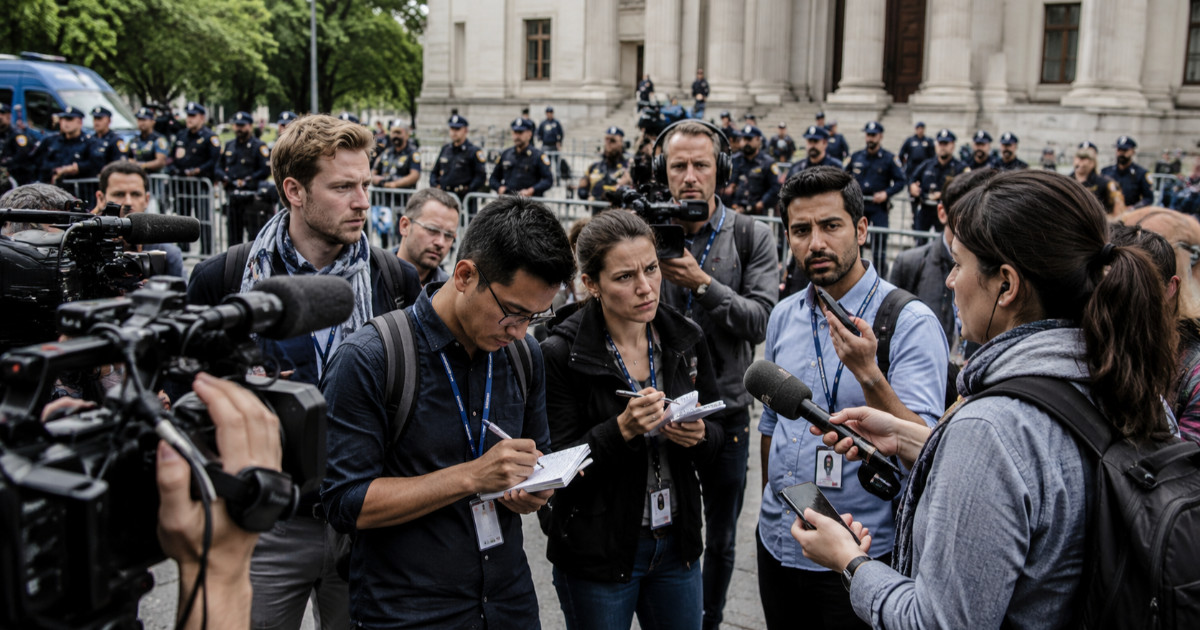
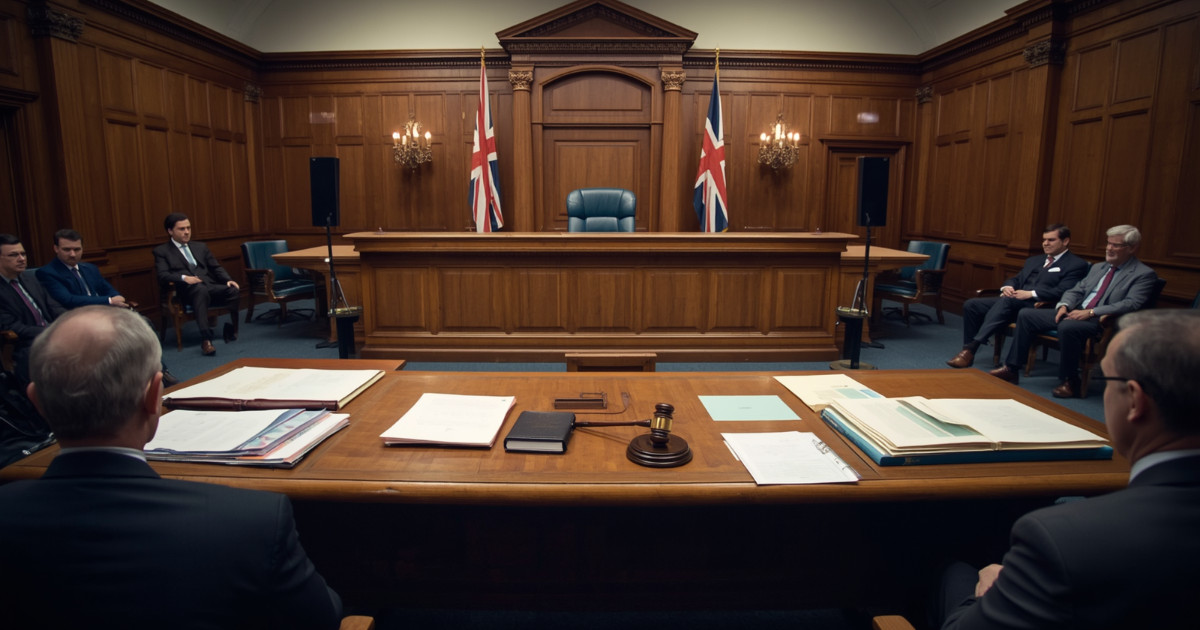
PHOTO: AI-generated; for illustrative purposes only
Key Points
- The Washington Post filed a petition on Jan. 21 seeking the return of electronic devices seized from reporter Hannah Natanson.
- The devices were taken during an FBI search linked to a national security leak investigation.
- The Post argues the seizure could expose unpublished reporting and confidential sources, raising First Amendment concerns.
- A magistrate judge has temporarily barred authorities from reviewing the materials; a hearing is set for Feb. 6 to decide access or return.
- The newspaper says the search conflicts with Justice Department media policies and press groups warn of a chilling effect.
Relevant Topics
Ask AI: Understand this story your way
AI EnabledDig deeper, ask anything — get instant context, background, and clarity.
Disclaimer: This feature is powered by AI and is intended to help readers explore and understand news stories more easily. While we strive for accuracy, AI-generated responses may occasionally be incomplete or reflect limitations in the underlying model. This feature does not represent the editorial views of JournalismPakistan. For our full, verified reporting, please refer to the original article.