
Why social media is a battleground for Pakistani journalists
JournalismPakistan.com | Published: 22 April 2026 | JP Staff Report
Join our WhatsApp channel
Social media visibility has pushed Pakistani journalists' professional disputes into public view, making platforms extensions of newsrooms. Engagement-focused algorithms amplify disagreements and, without editorial mediation, blur reporting and branding.Summary
ISLAMABAD—Growing visibility of Pakistani journalists on social media has increased public disagreements among media professionals, with disputes often unfolding in real time and in full public view rather than behind newsroom doors.
The shift toward digital-first communication has turned platforms like X (formerly Twitter), Facebook, and YouTube into extensions of newsroom identity. Journalists increasingly use these spaces not only to share reporting but also to respond to criticism, defend their work, and challenge peers.
Blurred lines between reporting and personal branding
As individual visibility becomes closely tied to professional influence, the distinction between reporting, commentary, and personal branding has become harder to maintain. Many journalists now operate as independent public voices, where audience engagement often carries professional weight beyond traditional editorial structures.
This visibility has also contributed to a more reactive communication environment, where disagreements over framing, sourcing, or interpretation can quickly escalate into public exchanges. In several cases, professional disagreements spill into personal criticism, further intensifying tensions.
Platform dynamics and engagement incentives
The structure of social media platforms also plays a significant role in shaping how these conflicts unfold. Algorithms that prioritize engagement tend to amplify posts that generate strong reactions, including disagreement and controversy.
At the same time, the absence of editorial mediation online means that disputes which might once have been handled internally in newsrooms now unfold publicly. This environment can encourage sharper language and quicker escalation, as visibility often competes with restraint.
Within this context, journalists operating in politically charged environments face additional pressure, as their online statements are frequently interpreted through ideological lenses. This contributes to a cycle where professional critique and perceived personal attack become increasingly difficult to separate.
WHY THIS MATTERS: These dynamics are reshaping professional norms in Pakistani journalism, where social media now functions as both a reporting tool and a battleground for credibility and influence. For media professionals, this shift raises questions about boundaries, accountability, and the erosion of traditional editorial mediation. It also highlights the need for clearer digital conduct standards within news organizations.
ATTRIBUTION: Reporting by JournalismPakistan, based on publicly observable social media discourse among journalists and broader industry commentary.
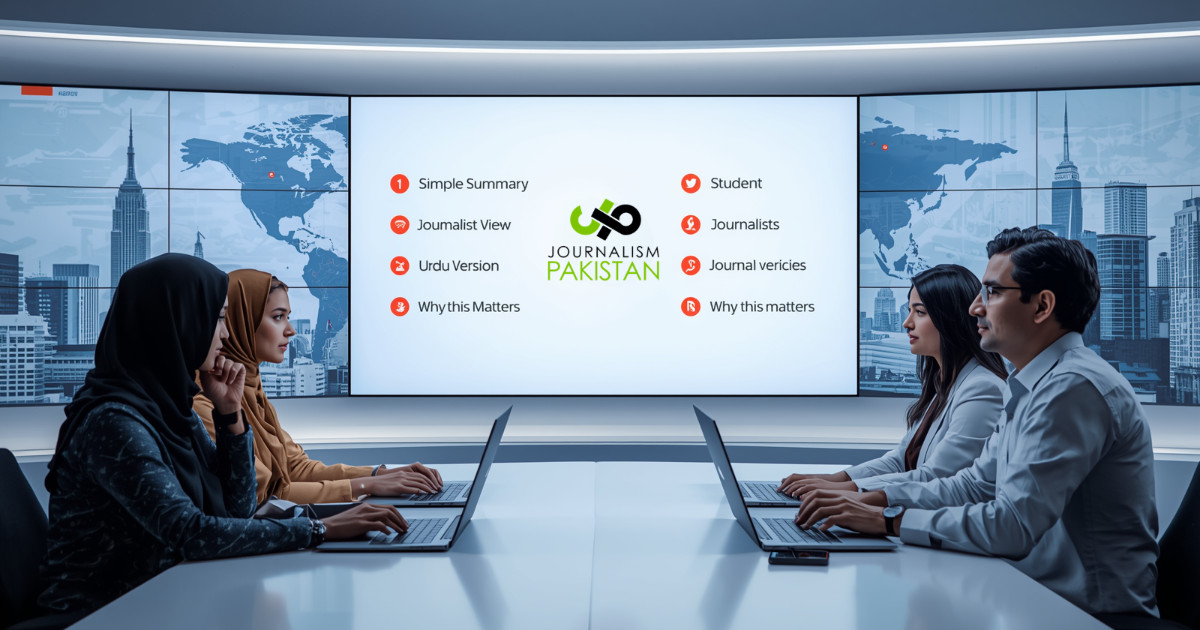
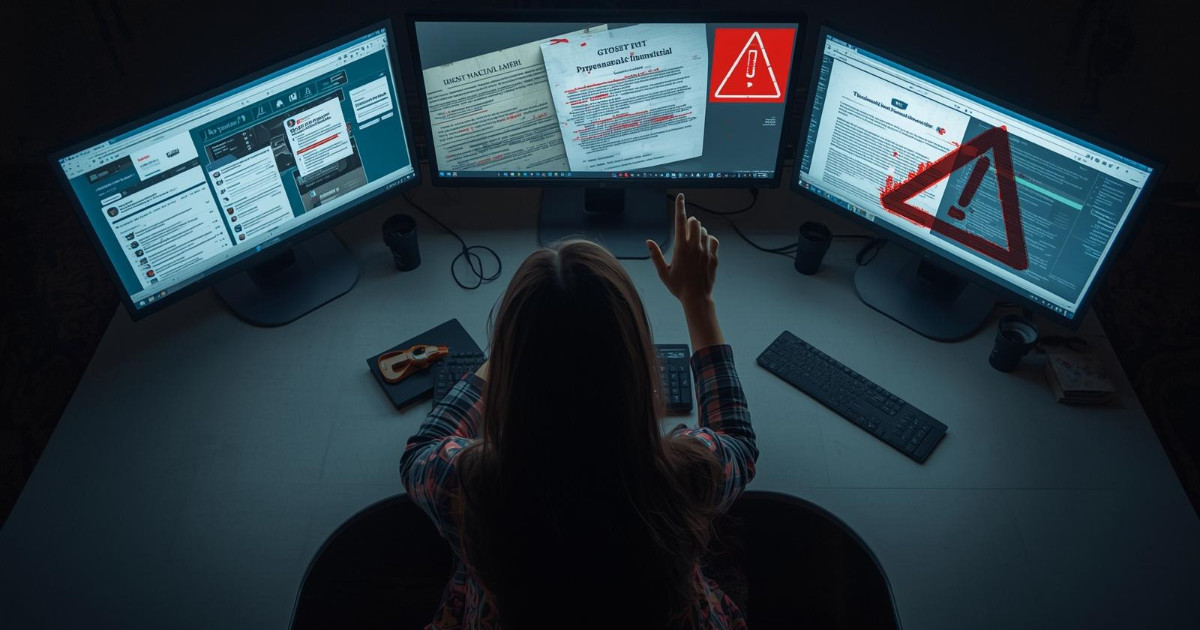
PHOTO: AI-generated; for illustrative purposes only.
Key Points
- Social media visibility has increased public disagreements among journalists.
- Platforms serve as extensions of newsroom identity and shape professional interactions.
- The distinction between reporting, commentary, and personal branding is increasingly blurred.
- Algorithms and engagement incentives amplify controversial posts and disputes.
- Absence of editorial mediation online lets disagreements escalate in real time and in public.
Key Questions & Answers
Why are journalists' disputes appearing on social media?
Increased visibility and a digital-first approach mean journalists use platforms to share reporting, respond to criticism, and challenge peers.
How do platforms influence these conflicts?
Algorithms prioritize engagement, which tends to amplify posts that generate strong reactions and controversy.
What does it mean that lines between reporting and personal branding are blurred?
Many journalists act as independent public voices, so audience engagement and personal visibility can carry professional weight beyond editorial oversight.
What are the consequences of limited editorial mediation online?
Disputes that once might have been handled internally can play out publicly and escalate into personal criticism, intensifying tensions.
Relevant Topics
Ask AI: Understand this story your way
AI EnabledDig deeper, ask anything — get instant context, background, and clarity.
Disclaimer: This feature is powered by AI and is intended to help readers explore and understand news stories more easily. While we strive for accuracy, AI-generated responses may occasionally be incomplete or reflect limitations in the underlying model. This feature does not represent the editorial views of JournalismPakistan. For our full, verified reporting, please refer to the original article.