.jpg)
The JournalismPakistan Global Media Brief | Edition 45 | November 6, 2026
JournalismPakistan.com | Published: 6 November 2026 | JP News Desk
Join our WhatsApp channel
The brief details mounting threats to independent journalism as governments, broadcasters and digital platforms tighten control over regulation, funding and distribution. It documents legal challenges, newsroom interventions, economic pressures and debate on AI.Summary
Editor's note
The pressure on independent journalism is increasingly coming from several directions at once. Governments are expanding their influence over media regulation, publishers are restructuring their operations, and digital platforms are confronting questions about their responsibility to protect journalism and free expression.
This week's Global Media Brief captures these overlapping pressures. Britain has ordered a regulatory examination of Sky's proposed acquisition of ITV's media and entertainment business. In Nepal, journalists are challenging proposed media laws following police interventions in newsrooms. Ethiopia has indefinitely suspended an independent newspaper, while an important European legal opinion has raised fresh questions about the use of published journalism by artificial intelligence systems.
The economic picture is equally troubling. Newspaper employees in Malaysia face uncertainty over restructuring, Czech public broadcasters are resisting changes to their funding arrangements, and journalists in Pakistan are protesting unpaid salaries, layoffs and restrictions on reporting.
Yet there are signs of resistance. Journalists' organizations are challenging restrictive legislation, demanding better working conditions and pressing governments to respect editorial independence.
The central question running through this edition is whether journalism can retain its independence when the institutions that regulate, finance and distribute news are acquiring greater influence over its future.
Global media power shifts
UK orders regulatory review of Sky-ITV acquisition — British Culture Secretary Lisa Nandy formally intervened in Sky's proposed £1.6 billion acquisition of ITV's media and entertainment business on November 4. The public interest intervention requires Ofcom and the Competition and Markets Authority to examine issues including media plurality, freedom of expression, ownership concentration and competition. Both regulators must report by January 27, 2027. The intervention does not constitute a final decision on the proposed acquisition.
Why it matters: The review will test whether consolidation among major broadcasters can strengthen their ability to compete with global streaming services while preserving independent news voices, diverse ownership and public-interest programming.
Sources: UK Department for Culture, Media and Sport, November 4, 2026; Reuters, November 4, 2026.
Asia media watch
Nepal journalists challenge media laws after newsroom raids — The Federation of Nepali Journalists raised objections to proposed media legislation during a November 5 discussion with media stakeholders, following police interventions in Kathmandu newsrooms on October 30. Three journalists were briefly detained after police entered media offices. The federation and former media leaders warned that proposed regulatory changes could increase government influence over independent journalism.
Why it matters: The dispute brings together concerns over direct police interference, protection of confidential sources, and the possibility that new legislation could weaken constitutional guarantees of press freedom.
Sources: The Kathmandu Post, November 5, 2026; Federation of Nepali Journalists, October 30, 2026.
Chinese journalist ordered to resume prison labor after surgery — Chinese journalist Dong Yuyu was ordered to resume prison labor on October 12, weeks after undergoing surgery to remove a cancerous lung tumor, his family told the Committee to Protect Journalists. The 64-year-old former Guangming Daily editor is serving a seven-year sentence following an espionage conviction in 2024. CPJ called for his immediate release on humanitarian grounds.
Why it matters: The case raises concerns about the health and treatment of imprisoned journalists, particularly when serious medical conditions do not lead to relief from prison labor requirements.
Source: Committee to Protect Journalists, November 3, 2026.
Asian media leaders highlight legal and digital threats — Participants at the November 5–7 KAS Media Programme Asia conference in Chiang Mai, Thailand, raised concerns about criminal defamation laws, digital harassment, restrictions affecting Afghan women journalists and the difficulties of operating newsrooms in exile. Representatives from several Asian countries described the combined pressures of restrictive laws, online intimidation and financial insecurity.
Why it matters: The discussions demonstrate that threats to independent journalism across Asia increasingly extend beyond physical violence to legal restrictions, digital attacks and the economic survival of news organizations.
Source: Asia News Network, reported by The Star, November 6, 2026.
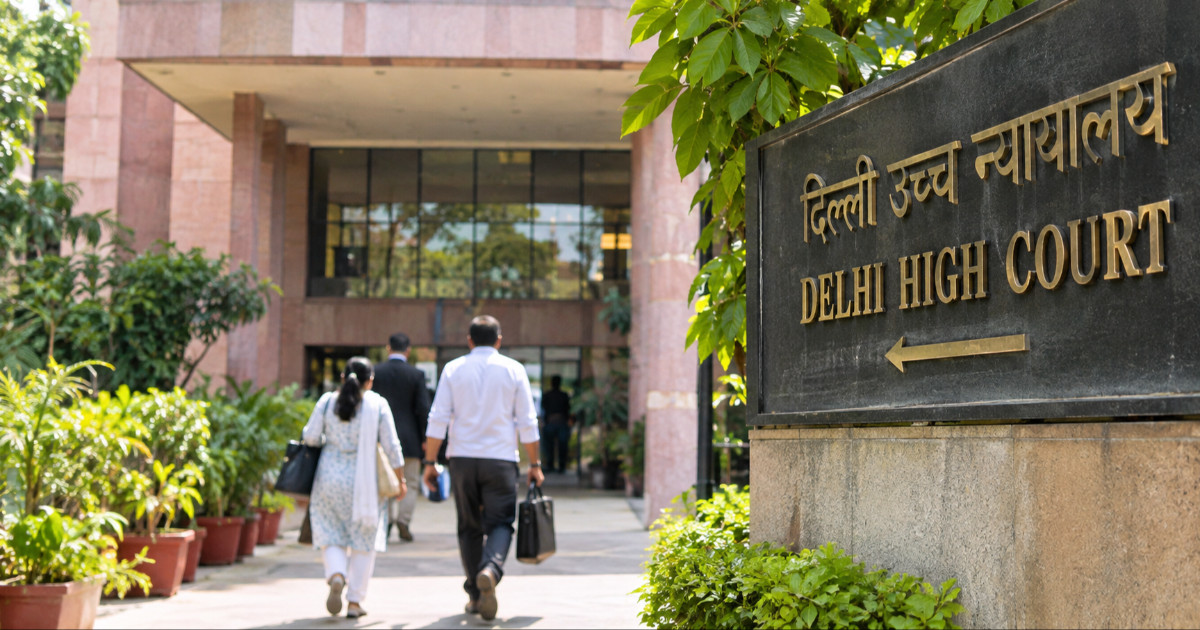
Fake police notices target digital rights groups in India — X told the Delhi High Court on November 6 that purported police notices seeking the removal of accounts belonging to the Internet Freedom Foundation and Software Freedom Law Centre, India, were fraudulent. The company said an internal investigation found that an impostor had submitted the requests in the name of Delhi Police. X said it had not acted on the notices and had filed a police complaint. The court subsequently disposed of the organizations' petitions.
Why it matters: The case exposes weaknesses in the authentication of official content-removal requests and demonstrates how fraudulent legal demands can threaten online expression before their legitimacy is established.
Sources: Reuters, November 6, 2026; The Indian Express, November 6, 2026.
Middle East media
Al Jazeera correspondent released after West Bank detention — Israeli forces released Al Jazeera correspondent Montaser Nassar hours after detaining him during a raid on his home in Dura, in the occupied West Bank, on November 3. The broadcaster reported allegations that Nassar and other detainees were assaulted while in custody.
Why it matters: The incident adds to concerns over the detention and treatment of Palestinian journalists and the restrictions affecting independent reporting in the occupied West Bank.
Source: Al Jazeera, November 3, 2026.
Israel detains journalist over alleged foreign-agent contact— Israeli police and the Shin Bet security service detained Palestinian journalist Abed Abu Shehadeh at his home in Jaffa on November 3 on suspicion of contacting a foreign agent. The Committee to Protect Journalists reported that his wife, who is also involved in his legal defense, said questioning focused on a podcast interview with former Knesset member Azmi Bishara. His detention was subsequently extended.
Why it matters: The case raises concerns about whether journalistic interviews and contact with politically controversial figures could expose reporters to criminal investigations.
Source: Committee to Protect Journalists, November 5, 2026.
CPJ reports surge in Israeli detentions of journalists— The Committee to Protect Journalists reported that Israeli authorities detained four journalists during the first four days of November. Two remained in custody when CPJ issued its November 5 alert, while two others had been released following brief detentions. The organization expressed concern over the treatment of those detained and called for the release of imprisoned Palestinian journalists.
Why it matters: The cluster of detentions points to continuing pressure on journalists working under Israeli security restrictions and raises questions about due process and access to independent reporting.
Source: Committee to Protect Journalists, November 5, 2026.
Africa media update
Ethiopia indefinitely suspends independent newspaper— The Ethiopian Media Authority announced on November 2 that it was indefinitely suspending the publishing licenses of The Reporter, affecting its Amharic and English newspapers and online operations. The regulator accused the publisher of violating media laws and professional ethics by repeatedly publishing material contrary to national interests. Human Rights Watch called for the suspension to be lifted.
Why it matters: The decision removes a significant independent publication from Ethiopia's media landscape and demonstrates how broad national-interest justifications can be used to restrict news organizations across print and digital platforms.
Sources: Human Rights Watch, November 3, 2026; Ethiopian Media Authority announcement, November 2, 2026.
African journalist leaders adopt AI and labor rights plan — The Federation of African Journalists has adopted a continental action plan promoting responsible artificial intelligence, improved employment conditions and media freedom. The initiative emerged from an October 24–25 dialogue in Addis Ababa and was reported on November 3. Participants emphasized human editorial oversight, professional safeguards and the need to address insecure employment as AI becomes more widely used in newsrooms.
Why it matters: The initiative connects the technological transformation of African journalism with employment protections and editorial independence, recognizing that AI adoption must not come at the expense of professional standards or journalists' livelihoods.
Sources: Gender Lens Africa, November 3, 2026; Ghana News Agency, November 3, 2026.
Media business and sustainability
Czech public broadcasters strike against funding overhaul— Employees of Czech Television and Czech Radio staged a one-day strike on November 3 against a government proposal to replace license-fee funding with allocations from the state budget. Thousands joined demonstrations in Prague and other cities. The proposal could reduce broadcasters' funding by approximately 15 percent. Prime Minister Andrej Babiš defended the plan as a measure to reduce costs for households and rejected accusations of political interference.
Why it matters: The dispute highlights the importance of predictable, independently administered funding for public-service broadcasting. Reliance on government budget decisions could leave broadcasters more vulnerable to political pressure.
Sources: Reuters, November 3, 2026; Associated Press, November 3, 2026.
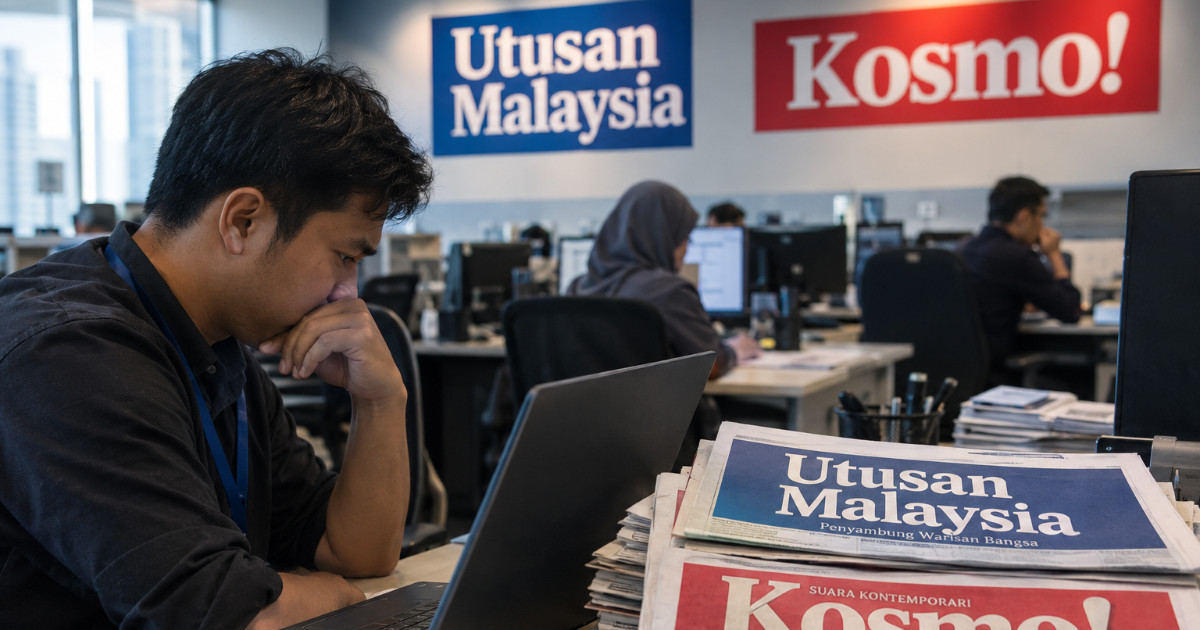
Malaysia publisher reviews plan affecting nearly 100 workers — Media Mulia, publisher of Utusan Malaysia and Kosmo!, agreed to reconsider a restructuring program involving nearly 100 employees following a November 5 meeting with Communications Minister Fahmi Fadzil. The workers were placed on three months' paid leave as the company reviewed its operations and digital publishing strategy. Management said it would consider alternatives to retrenchment. No final layoffs or newspaper closures have been confirmed.
Why it matters: The restructuring illustrates the employment uncertainty facing newspaper workers as publishers shift toward digital operations. Although government engagement could help protect jobs, the long-term outcome remains unresolved.
Sources: Bernama, November 2 and November 5, 2026; International Federation of Journalists, November 6, 2026.
Pakistan minister urges broadcasters to establish welfare fund — Information and Broadcasting Minister Attaullah Tarar called on television channel owners and the Pakistan Broadcasters Association on November 5 to establish a dedicated journalists' welfare mechanism, including compensation for media workers who die in the line of duty. He questioned the absence of such arrangements despite revenues from government advertising, private advertising and digital platforms.
Why it matters: The proposal draws attention to the gap between media organizations' commercial revenues and the financial protections available to their employees. JournalismPakistan has repeatedly documented unpaid salaries, job insecurity and the lack of adequate welfare safeguards across Pakistan's media industry.
Sources: JournalismPakistan, November 6, 2026; Radio Pakistan, November 5, 2026.
Media law and regulation
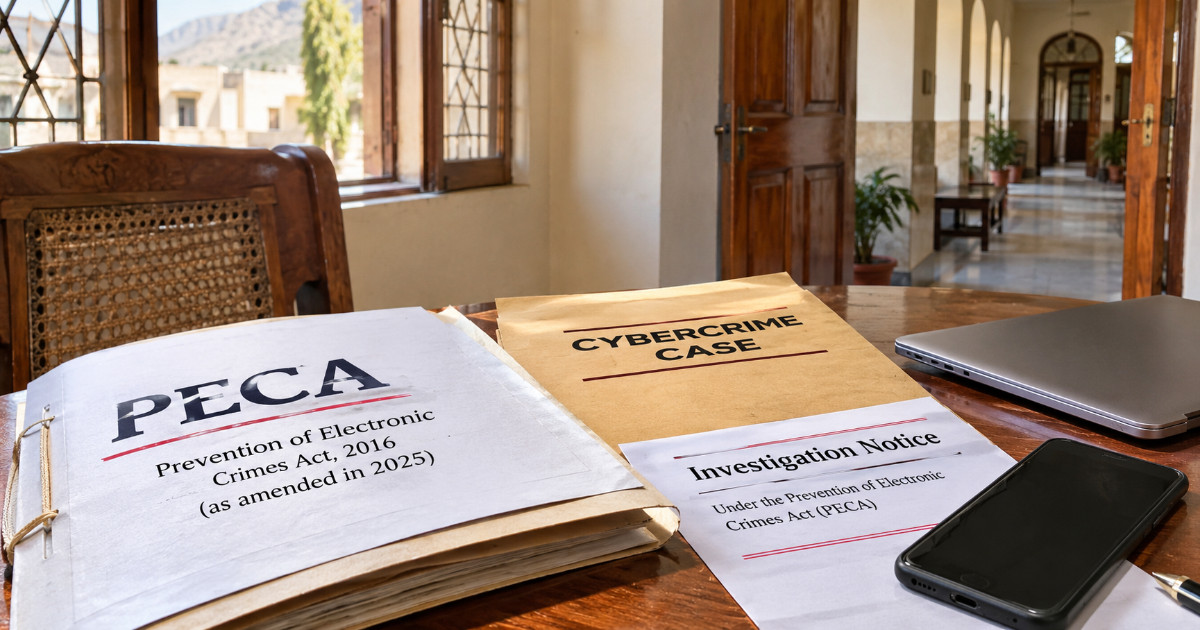
Pakistan journalists face cybercrime cases and reported raids — Three journalists in Quetta face cases under Pakistan's Prevention of Electronic Crimes Act, while raids on their homes have also been reported. Voicepk Urdu identified the journalists as Agha Obaid, Maqbool Jafar and Sana Achakzai. The Balochistan government maintains that the cases concern alleged fake news, while the journalists dispute the action. JournalismPakistan reported the developments on November 6.
Why it matters: The cases add to concerns about the use of cybercrime legislation against journalists and the possibility that criminal investigations can discourage reporting on matters of public interest before allegations have been tested in court.
Sources: JournalismPakistan, November 6, 2026; Voicepk Urdu, November 5, 2026.
Pakistan court grants Iqrarul Hassan bail in PECA case — A Karachi judicial magistrate granted television anchorperson Iqrarul Hassan bail on October 31 against surety bonds of Rs200,000 in an NCCIA cybercrime case involving allegedly anti-state social media posts. The agency indicated that no further investigation requiring Hassan's custody was necessary, although forensic examination of his electronic devices remained pending.
Why it matters: The bail decision provides relief to a prominent broadcaster but leaves broader questions about the application of cybercrime laws to journalists and commentators unresolved.
Sources: JournalismPakistan and Dawn, October 31, 2026.
Justice and accountability
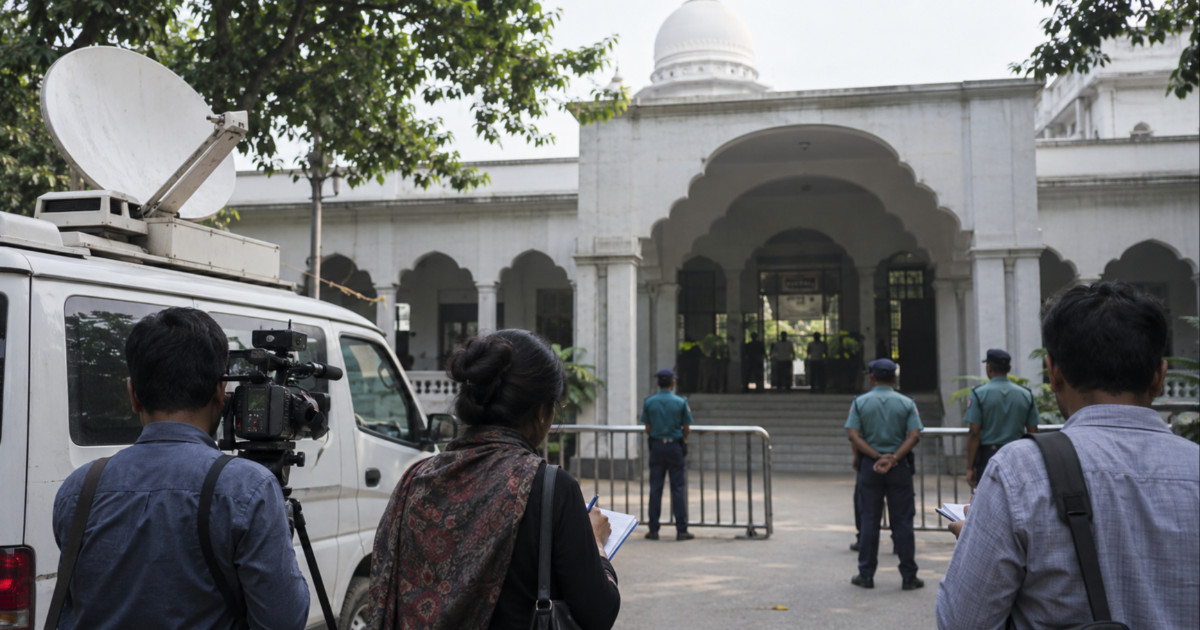
Bangladesh court orders detention of senior media executive— A Dhaka court ordered Iqbal Sobhan Chowdhury, chairman of DBC News and editor-publisher of The Daily Observer, to be held in jail on November 5 in connection with a murder case arising from the 2024 student uprising. Chowdhury, a former information adviser to Sheikh Hasina, is among numerous people accused in the case. Police detained him at DBC's headquarters on November 4. The allegations have not been established in court.
Why it matters: The proceedings raise questions about accountability for alleged crimes during Bangladesh's political upheaval and the importance of ensuring that journalists and media executives receive due process, regardless of their previous political associations.
Sources: bdnews24.com, November 5, 2026; The Daily Star, November 6, 2026.
Platforms and technology
EU legal opinion raises copyright questions for Google Gemini — An advocate general at the Court of Justice of the European Union said on November 3 that AI chatbots may infringe press publishers' rights when they retrieve and reproduce protected journalistic expression in responses to users. The opinion arose from a dispute between Hungarian publisher Like Company and Google over Gemini. It distinguishes the reproduction of protected expression from the reporting of facts and does not constitute a binding court ruling.
Why it matters: The opinion could influence future legal interpretations of how AI platforms use published journalism. Its significance extends to publishers seeking greater control over the reuse of their work and the economic value of original reporting.
Sources: Court of Justice of the European Union, November 3, 2026; Reuters, November 3, 2026.
Press freedom and journalist safety
Pakistan journalists protest restrictions and unpaid salaries— Journalists observed a Black Day at press clubs across Pakistan on November 3, protesting cybercrime cases, unpaid salaries, layoffs, and restrictions affecting independent journalism. Pakistan Federal Union of Journalists secretary general Arshad Ansari announced further demonstrations and plans for a long march to Islamabad.
Why it matters: The protests demonstrate that economic insecurity and restrictions on reporting are increasingly being treated as connected threats to press freedom. They also reflect the persistent labor problems documented over several years by JournalismPakistan.
Source: The News, November 4, 2026.
AJK official's remarks raise press freedom concerns— A video circulated on November 6 reportedly shows Azad Jammu and Kashmir Chief Secretary Khushal Khan cautioning Geo News journalist Haider Shirazi against publicizing an exchange inside Pakistan's Parliament. The reported remarks have raised questions about how senior public officials respond to journalists seeking information. The precise circumstances and complete context of the exchange remain unverified.
Why it matters: The episode highlights concerns that warnings from public officials may discourage journalists from reporting information of legitimate public interest, even when no formal restriction has been imposed.
Source: Social media video circulated November 6, 2026; context reported by JournalismPakistan, November 6, 2026.
The bigger picture
The defining feature of this week's developments is not a single assault on journalism but the growing number of ways in which its independence can be weakened.
In Britain, the proposed Sky-ITV acquisition is being examined through the lens of media plurality and public interest. In the Czech Republic, journalists are challenging a funding model they fear could expose public broadcasters to political influence. In Malaysia, newspaper workers face uncertainty as their employer reconsiders its business structure.
These disputes differ in scale and circumstances, but each concerns the institutions and financial arrangements that determine whether independent journalism can survive.
Elsewhere, the pressures are more direct. Nepal's journalists are resisting proposed laws and police interference. Ethiopia has suspended an established independent newspaper. Journalists in Pakistan are confronting cybercrime proceedings, workplace insecurity and restrictions on reporting, while Israeli detentions continue to raise concerns over the treatment of Palestinian media workers.
Technology adds another dimension. The European copyright opinion involving Google Gemini raises questions about who controls the economic value of journalism in the AI era. India's forged takedown notices show that even the systems intended to enforce legitimate restrictions can become instruments of attempted censorship when verification fails.
The common thread is the concentration of power over journalism's operating environment. Governments influence laws and funding, media owners determine employment conditions, and technology companies increasingly control how information is distributed and reproduced.
Independent journalism requires more than the freedom to publish. It also needs legal safeguards, sustainable financing, professional protections, and systems that do not make editorial independence dependent on political or commercial approval.
For newsrooms across the world, protecting those foundations is becoming as important as defending the right to report.
ABOUT THIS BRIEF: The Global Media Brief is a flagship product of JournalismPakistan.com, published every Friday. Read previous editions here.
ATTRIBUTION: Compiled and analyzed by JournalismPakistan.
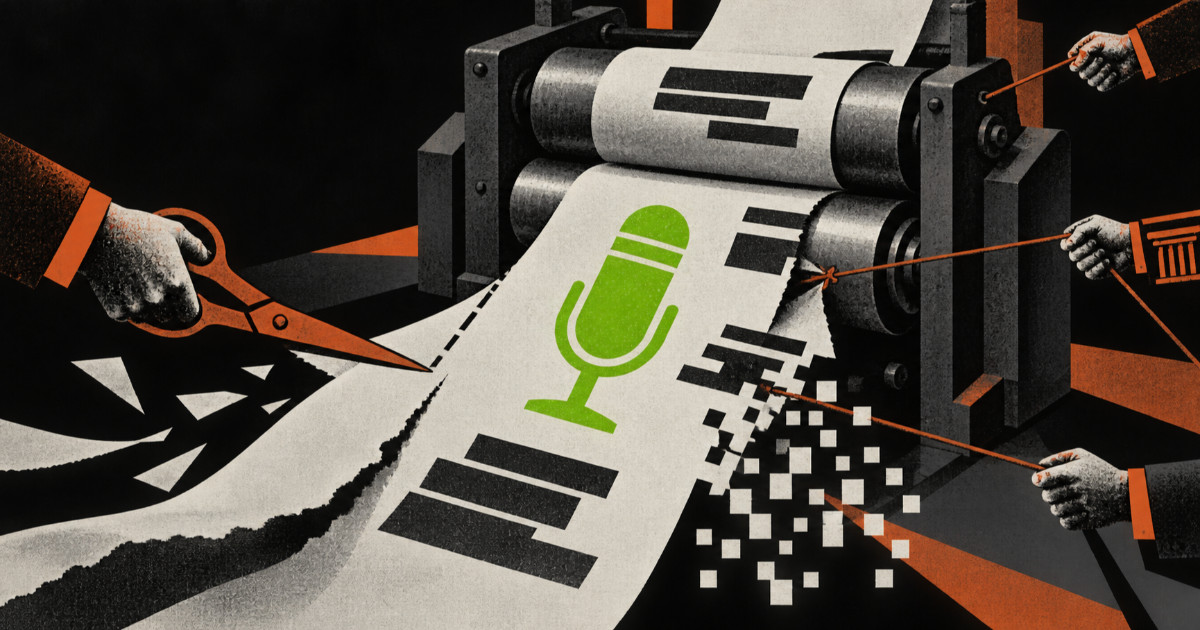
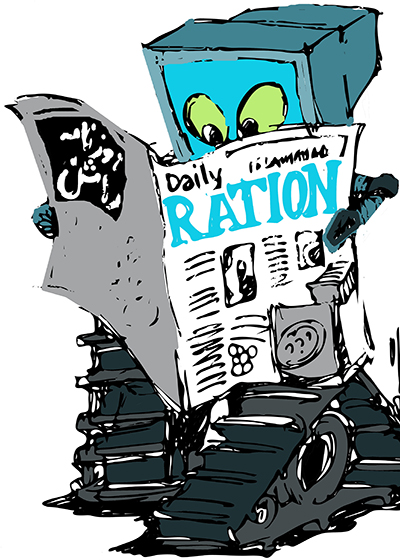
PHOTO: AI-generated; for illustrative purposes
Key Points
- UK orders a regulatory examination of Sky's proposed acquisition of ITV's media and entertainment business.
- Nepalese journalists challenge proposed media laws amid police interventions in newsrooms.
- Ethiopia has indefinitely suspended an independent newspaper, signaling tightened press controls.
- A prominent European legal opinion raises questions about AI systems' use of published journalism and related rights.
- Economic strains include restructurings in Malaysia, funding disputes in the Czech Republic and unpaid salaries, layoffs and reporting limits affecting Pakistani journalists.
- Journalists' organisations are mounting legal challenges, protests and demands for editorial independence and better working conditions.
Key Questions & Answers
What are the main threats to independent journalism highlighted in this brief?
The brief points to expanding government regulation, concentrated media ownership, platform policies and economic pressures that together affect reporting, financing and distribution of news.
How are journalists and their organisations responding?
They are pursuing legal challenges, organising protests and union actions, and pushing for stronger protections for editorial independence and better working conditions.
What did the European legal opinion say about AI and published journalism?
It raised fresh legal questions about whether and how AI systems can use published journalism, bringing copyright, licensing and ethical concerns into focus.
How are economic issues affecting newsrooms in different countries?
Newsrooms face restructurings, funding disputes, unpaid salaries and layoffs that reduce capacity to report and increase reliance on owners or external funding sources.
Relevant Topics
Ask AI: Understand this story your way
AI EnabledDig deeper, ask anything — get instant context, background, and clarity.
Disclaimer: This feature is powered by AI and is intended to help readers explore and understand news stories more easily. While we strive for accuracy, AI-generated responses may occasionally be incomplete or reflect limitations in the underlying model. This feature does not represent the editorial views of JournalismPakistan. For our full, verified reporting, please refer to the original article.