
Nepal journalists challenge media laws after police raids
JournalismPakistan.com | Published: 6 November 2026 | JP Asia Desk
Join our WhatsApp channel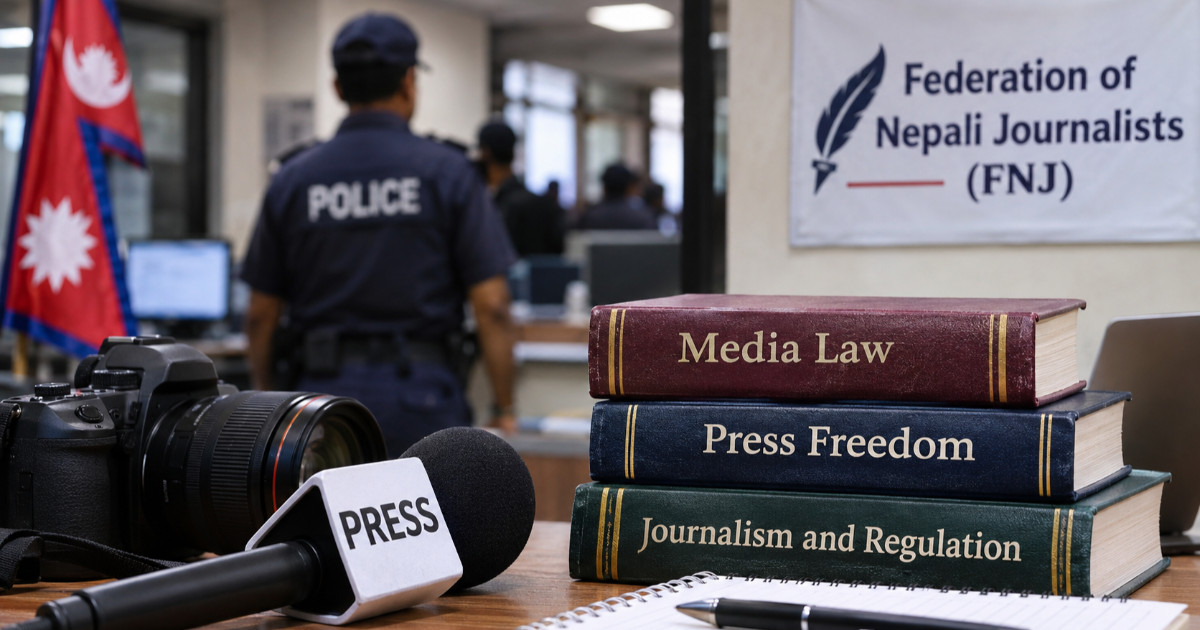
After police raids in Kathmandu and the detention of three journalists, the Federation of Nepali Journalists convened members to oppose the Media Council Bill and related communications laws. FNJ warned the measures and recent interventions could undermine press freedom, democratic oversight and public access to information.Summary
KATHMANDU — The Federation of Nepali Journalists (FNJ) has stepped up its opposition to proposed media legislation, accusing the government of seeking greater control over the press following police interventions in newsrooms and the detention of three journalists last week.
The federation brought together journalists and media representatives on November 5 to examine the proposed Media Council Bill, broader mass communications legislation and threats to constitutional protections for press freedom. The discussions followed the October 30 police operations in Kathmandu, which prompted widespread condemnation from journalists' organizations, political leaders and Nepal's press regulator.
Proposed legislation raises concerns
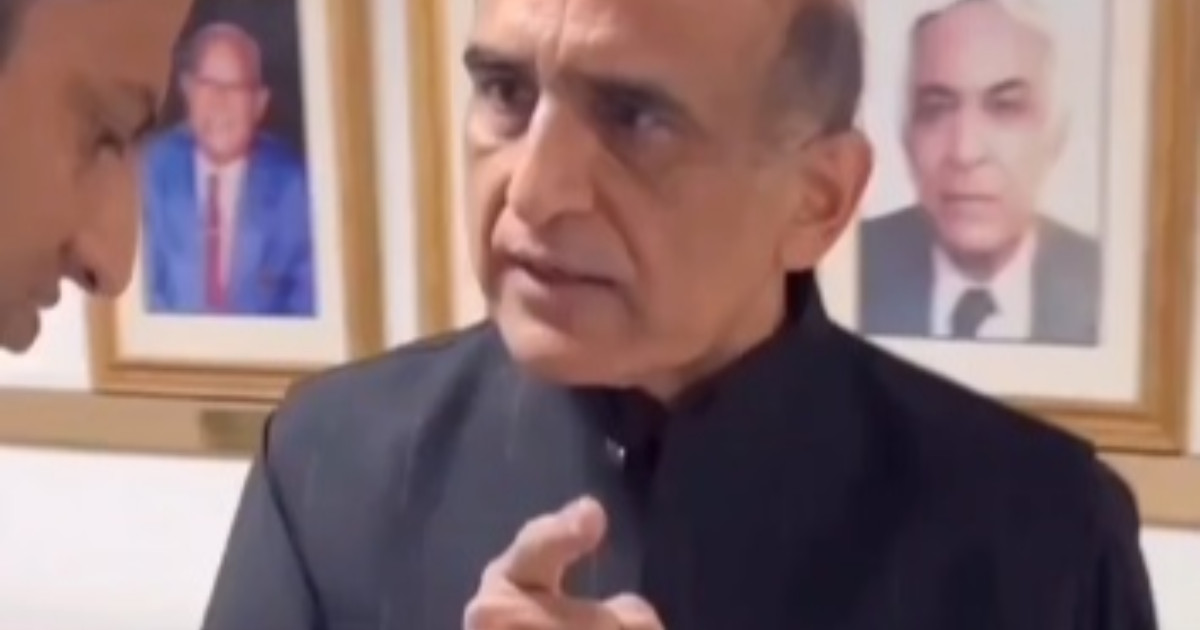
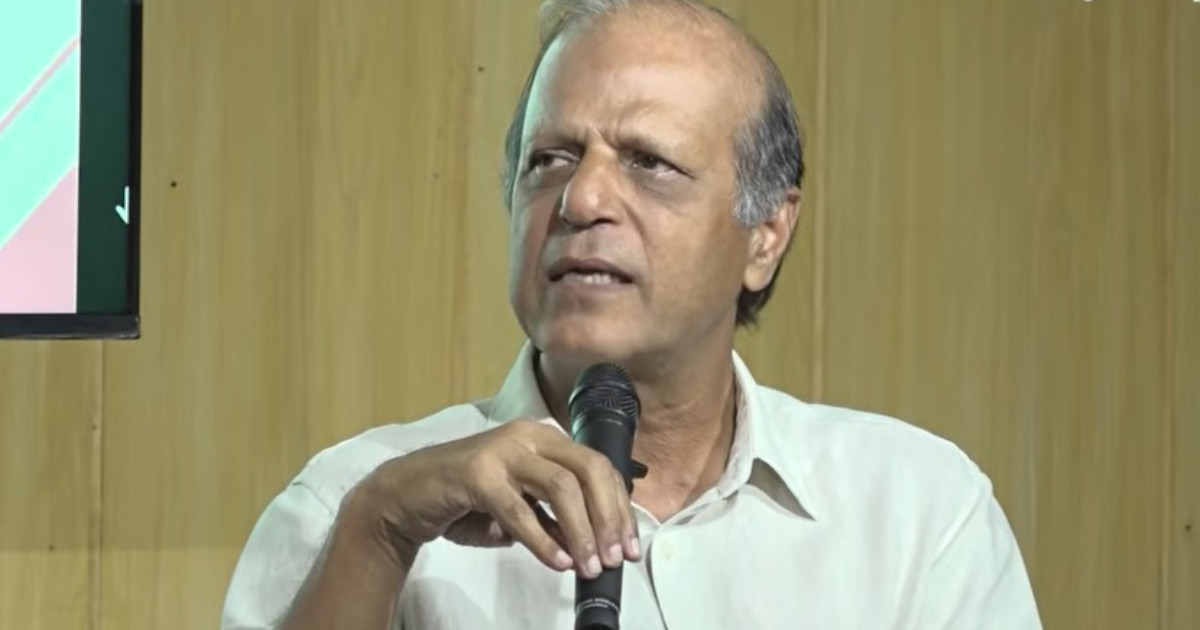
Former FNJ president Dharmendra Jha accused the government of attempting to bring news organizations under its influence through legislation. He argued that the federation's opposition was not simply about protecting journalists' professional interests but also about defending democracy and the public's right to information.
Jha raised concerns about provisions concerning public-interest advertising support. According to The Kathmandu Post, he said the government had previously stopped advertising subsidies and had been ordered by a court to restore them, yet the proposed legislation contained provisions that could allow such support to be withheld. He also questioned the government's decision to pursue an ordinance without further consultation on the bill.
Federation questions government intentions
FNJ Vice-president Nitu Pandit said the proposed legislation contained vague language and failed to provide adequate safeguards for the constitutional guarantees of press freedom. She also questioned proposals to reduce the size of the Press Council while expanding its directive committee, arguing that the changes would undermine the journalists' federation.
Former FNJ president Suresh Acharya called for a broader examination of the government's conduct toward independent media. He said the discussion should go beyond the wording of proposed legislation and address the authorities' treatment of journalists, including the entry of security personnel into newsrooms. Another former federation president, Bishnu Nisthuri, accused the government of testing resistance to its actions across different institutions.
Police detentions remain central to dispute
The immediate background to the federation's latest intervention was the detention of three journalists on October 30. Plainclothes police officers entered media offices in Kathmandu and took Bishwamani Subedi of Nepal Press, Shobharaj Baral of Motivate News and Dhiraj Basnet, editor-in-chief of DNA Khabar, into custody. All three were released later that evening.
Officers also visited the offices of Naya Patrika daily seeking journalist Nawaraj Mainali and went to Diyo Post looking for other media workers. The FNJ condemned the operations in an October 30 statement, accusing police of disregarding established procedures for handling disputes over published news.
The interventions reportedly concerned published reports involving senior officials. However, the authorities did not clearly establish the legal grounds for taking the journalists into custody, according to accounts published by The Kathmandu Post and statements from press organizations.
Press Council Nepal also objected to the police operations. It questioned the absence of clearly disclosed arrest warrants, court authorization, and information about any formal criminal complaints. The council maintained that disputes involving published news and journalistic conduct should ordinarily be addressed through its established regulatory procedures.
Government response and unresolved questions
Prime Minister Balendra Shah's secretariat denied prior knowledge of the police operations. According to The Kathmandu Post's October 31 reporting, the prime minister instructed the relevant authorities to release the detained journalists and refrain from entering newsrooms or harassing media workers.
Information and Communication Technology Minister Bikram Timilsina subsequently confirmed the releases and reaffirmed the government's commitment to press freedom.
The assurances have not ended the dispute. Former federation leaders have called for an explanation of who authorized the police interventions and why established mechanisms for handling complaints about news coverage were bypassed.
The latest debate also raises questions about the proposed balance between government oversight and independent media regulation. The federation's concerns center on whether new legislation would strengthen professional accountability or give state institutions greater influence over news organizations.
The legislation and the police operations are separate developments, but their convergence has intensified the federation's criticism of the government's approach to press freedom.
Wider implications for press freedom
Nepal's dispute highlights the importance of protecting journalistic sources and maintaining clear boundaries between police investigations and media regulation.
The October 30 operations raised a particular concern because journalists were reportedly questioned about their reporting and sources. Press freedom advocates argue that allowing police to intervene directly in such disputes, without clearly established legal grounds, could discourage journalists from investigating powerful institutions.
For South Asian newsrooms, the broader issue extends beyond Nepal. Laws governing digital communications, professional conduct and media regulation can affect editorial independence depending on their language, enforcement mechanisms and available safeguards.
The FNJ's latest intervention therefore places two questions before Nepal's authorities: whether the proposed legislation adequately protects independent journalism and whether the police operations will be subjected to meaningful scrutiny.
The three journalists have been released, but the controversy surrounding their detention and the government's proposed media legislation remains unresolved.
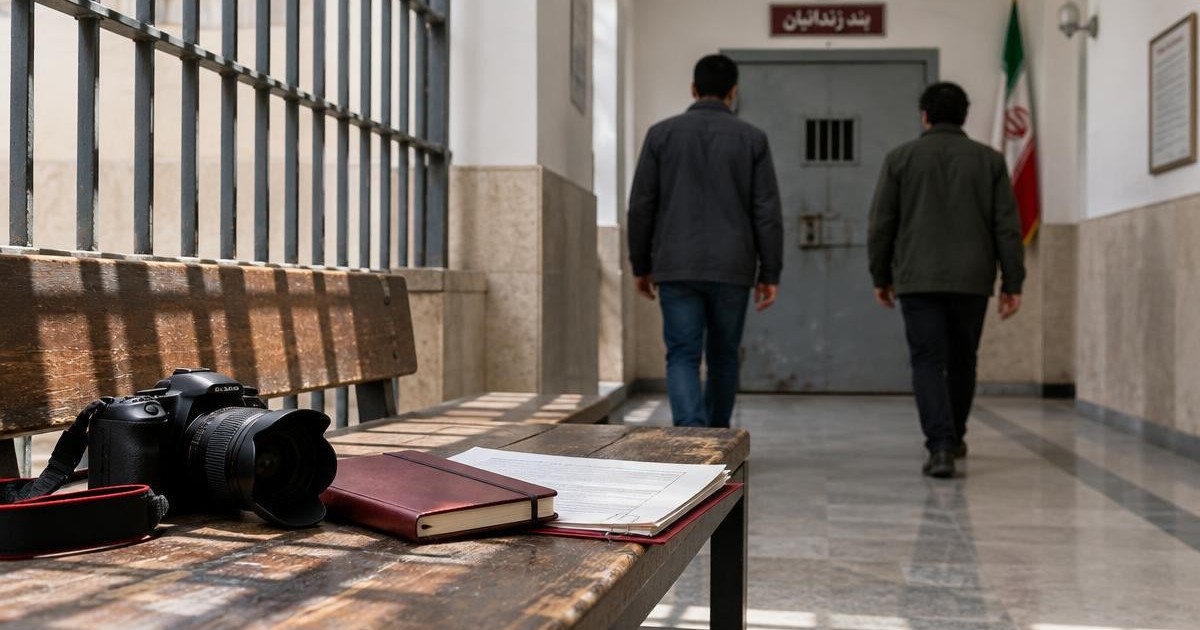
PHOTO: AI-generated; for illustrative purposes only.
Key Points
- FNJ convened journalists and media representatives on November 5 to review the Media Council Bill and broader media legislation.
- October 30 police operations in Kathmandu included newsroom raids and the detention of three journalists.
- Former FNJ president Dharmendra Jha said the bill could bring news organisations under government influence.
- Concerns were raised over provisions affecting public-interest advertising and the government's use of ordinances without wider consultation.
- FNJ leaders framed their opposition as defence of press freedom, democracy and the public's right to information.
Key Questions & Answers
What prompted the Federation of Nepali Journalists to act?
Police raids on newsrooms in Kathmandu on October 30 and the detention of three journalists prompted FNJ to convene media representatives and oppose the proposed legislation.
What is the Media Council Bill and why is it controversial?
The Media Council Bill is proposed legislation to regulate media; FNJ and others say certain provisions could allow government influence over news organisations and restrict press freedom.
What specific concerns did FNJ leaders raise?
Leaders highlighted provisions on public-interest advertising that could be withheld, the use of an ordinance without consultation, and broader threats to democratic oversight and access to information.
What actions has the FNJ called for?
FNJ has called for wider consultation on the bill, protection of constitutional press freedoms, and scrutiny of recent police interventions in newsrooms.
Relevant Topics
Ask AI: Understand this story your way
AI EnabledDig deeper, ask anything — get instant context, background, and clarity.
Disclaimer: This feature is powered by AI and is intended to help readers explore and understand news stories more easily. While we strive for accuracy, AI-generated responses may occasionally be incomplete or reflect limitations in the underlying model. This feature does not represent the editorial views of JournalismPakistan. For our full, verified reporting, please refer to the original article.