
The JournalismPakistan Global Media Brief | Edition 38 | September 18, 2026
JournalismPakistan.com | Published: 19 September 2026 | JP News Desk
Join our WhatsApp channel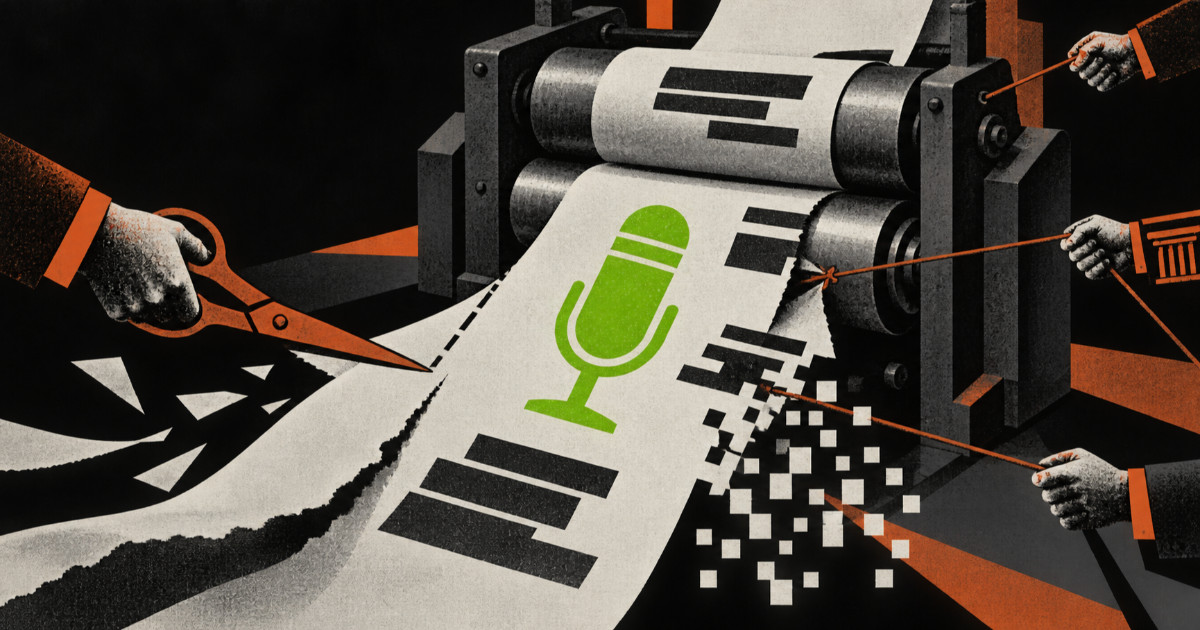
This brief highlights growing constraints on journalism: Trump's threat to bar three outlets from the White House, the BBC's shrinking reserves, arrests and legal pressure across several countries, and tech or ownership moves that curb reporting.Summary
Editor's note
Access, money, law and technology all became pressure points for journalism this week. In the United States, President Donald Trump said three major outlets would be barred from the White House because of their coverage. In Britain, the BBC's shrinking reserves exposed the mounting cost of sustaining public-service media. Across Turkey, Bangladesh, Pakistan and the occupied West Bank, arrests, legal cases and raids again placed reporters and their families under pressure.
The week's developments also show that control over information no longer rests with governments alone. Meta's copyright system was reportedly manipulated to suppress protest documentation in Albania, while a Pakistani anchor's reported dismissal highlighted the power of media owners over journalists who speak about labor conditions. The common thread is control: who may report, who can remain employed, which newsrooms can survive and what the public is allowed to see.
Global media power shifts
Trump moves to bar three outlets from White House — US President Donald Trump said on September 18 that CNN, MS NOW and Politico would be barred from the White House over what he called unfair coverage. He gave few details about enforcement, and reporters from the affected outlets remained on the grounds later that day. The organizations and press freedom advocates said exclusion based on coverage would violate constitutional press protections. (Associated Press and Reuters, September 18, 2026)
Why it matters: Restricting access because of editorial coverage would turn press credentials into a tool of political reward and punishment, with implications beyond the three targeted outlets.
Asia media watch
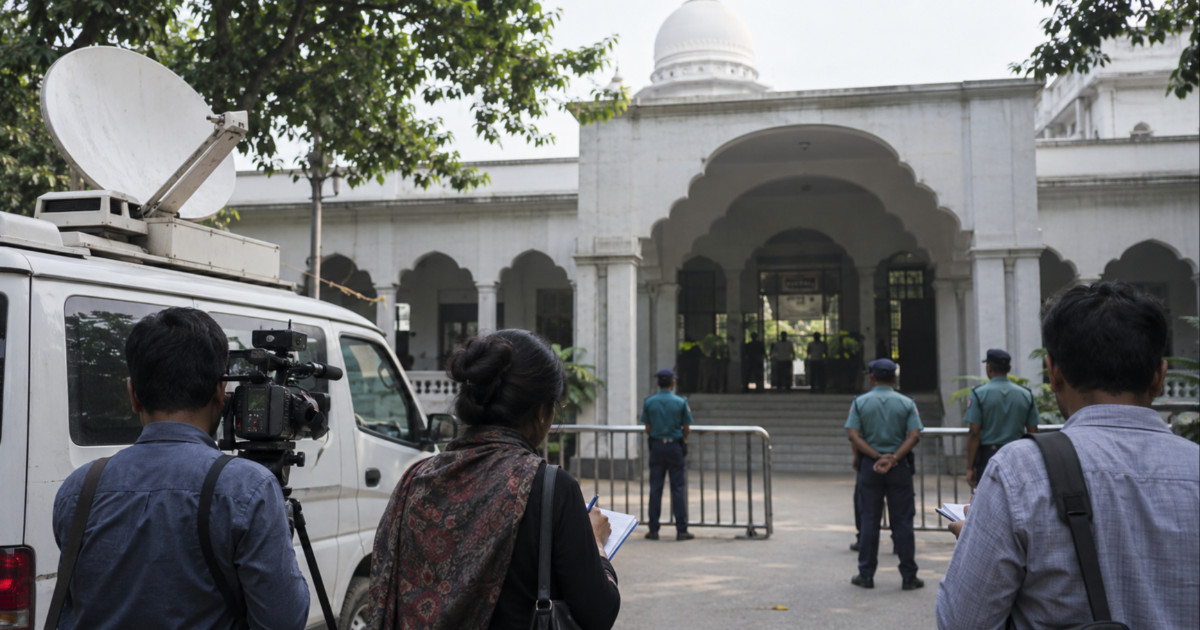
Police investigate Bangladeshi journalist's death — Police are investigating the death of veteran journalist Pulak Chatterjee, whose body was recovered from Samakal's Barishal bureau office on September 11. Investigators found five handwritten notes and are awaiting autopsy findings. The Awami League alleged, without presenting forensic evidence, that the scene was staged. (Prothom Alo and The Daily Star, September 11, 2026; Awami League statement on X, September 12, 2026)
Why it matters: Competing police and political accounts underscore the need for an independent, transparent investigation. Until forensic findings are released, claims of suicide or foul play remain unproven.
Middle East media
Israeli forces order Palestinian journalist to surrender — Israeli forces raided journalist Ali al-Samoudi's home in Jenin, reportedly assaulted his son, and gave the 59-year-old journalist one hour to surrender. Al-Samoudi was not present during the raid, and no reason for the order was reported. (Anadolu Agency and Al Jazeera, September 13, 2026)
Why it matters: The raid renews pressure on a journalist released in April after a year in Israeli detention. Targeting his home and allegedly assaulting a family member raises concerns that intimidation is extending to journalists' families.
Media business and sustainability
BBC cash reserves fall to decade low — Cash reserves at the BBC's public-service arm fell 66 percent in the last financial year, from £369 million to £125 million, their lowest level in a decade, according to a Guardian analysis. The broadcaster is pursuing savings of £500 million, including up to 2,000 job cuts, as declining licence-fee income and digital investment strain its finances. (The Guardian, September 18, 2026)
Why it matters: The figures expose the narrowing financial room available to a major public broadcaster as it tries to fund journalism, manage cuts and compete for digital audiences.
BOL News reportedly fires Absa Komal over salary remarks — Pakistani broadcaster BOL News reportedly dismissed anchor Absa Komal after she criticized media owners and raised unpaid salaries at a journalists' union protest in Islamabad. The broadcaster has not publicly confirmed or explained the reported dismissal, while journalists have described the action as retaliation for speaking about newsroom exploitation. (RIUJ/PFUJ protest reporting, September 14–15, 2026)
Why it matters: The case shows how financial insecurity and management pressure can restrict journalists' ability to advocate for fair pay and professional rights inside their own organizations.
Media law and regulation
Turkey detains journalist during wider obscenity crackdown — Turkish authorities detained journalist Tuğba Tekerek at her Istanbul home. They transferred her to Ankara for questioning after she published an article with the LGBTQ+ news and advocacy group Kaos GL. Seven members of Kaos GL's executive board were also detained during a broader operation that authorities said targeted obscenity and threats to the family. (The Guardian and Media and Law Studies Association, September 17, 2026)
Why it matters: Extending broad obscenity allegations to journalistic work shows how morality-based laws can criminalize reporting alongside the communities and organizations being covered.
Bangladesh journalists challenge cyber case — More than 100 journalists formed a human chain in Lalmonirhat on September 13, demanding the withdrawal of a Cyber Security Act case against Kalbela reporter S K Sahed and Naya Diganta multimedia correspondent Zubair Ahmed Khan Rohan. The case followed their reports on alleged irregularities and corruption at a local cooperative society. (Daily Industry, September 13, 2026)
Why it matters: The protest highlights concerns that cyber legislation is being used to pressure journalists reporting on alleged wrongdoing as Bangladesh considers further changes to its cyber law.
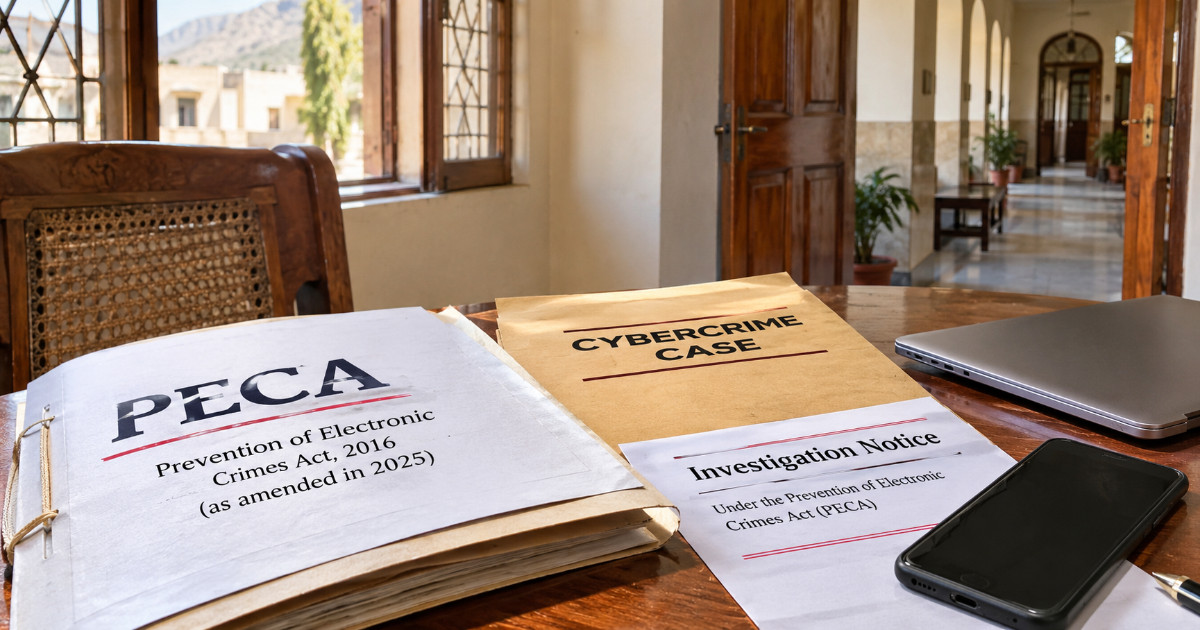
Pakistan court grants journalist bail in PECA case — An Islamabad court granted journalist Bilal Ghauri post-arrest bail on September 16 following his detention over commentary about the appointment of NACTA's national coordinator. The court ordered his release against a Rs100,000 surety bond, but the PECA prosecution remains active. (Voicepk.net and Independent Urdu, September 16, 2026; Committee to Protect Journalists, September 9, 2026)
Why it matters: Bail ends Ghauri's immediate detention but not the case, sustaining concerns over Pakistan's use of cybercrime legislation against journalists scrutinizing state institutions and public appointments.
Platforms and technology
Meta copyright system targeted Albanian protest accounts — European lawmakers called for an investigation after Instagram accounts documenting anti-government protests in Albania were suspended following waves of copyright complaints. A monitoring group told Wired it had verified about 100 affected cases and found indications of coordinated reporting. Meta said the removals were errors and that the accounts had been restored. (Wired, September 18, 2026)
Why it matters: The episode shows how automated copyright enforcement can be weaponized to suppress political documentation at scale, even when a platform later reverses the removals.
The bigger picture
This week's stories reveal a media environment shaped by overlapping forms of control. Governments can restrict access, raid homes or stretch cybercrime and morality laws. Media owners can use employment insecurity against journalists who challenge working conditions. Platforms can remove politically important material through systems that are vulnerable to coordinated abuse. Financial pressure, meanwhile, can weaken even the world's most established public broadcasters.
These pressures differ in severity, but they increasingly reinforce one another. A journalist may survive a court case yet remain exposed to prosecution; a suspended account may be restored only after crucial reporting disappears from public view; and a newsroom may retain editorial independence while losing the resources needed to exercise it. The central challenge is therefore broader than censorship alone: it is whether journalism can still secure the access, protection, independence and financial stability required to serve the public.
ATTRIBUTION: Compiled and analyzed by JournalismPakistan
ABOUT THIS BRIEF: The Global Media Brief is a flagship product of JournalismPakistan.com, published every Friday. Read previous editions here.
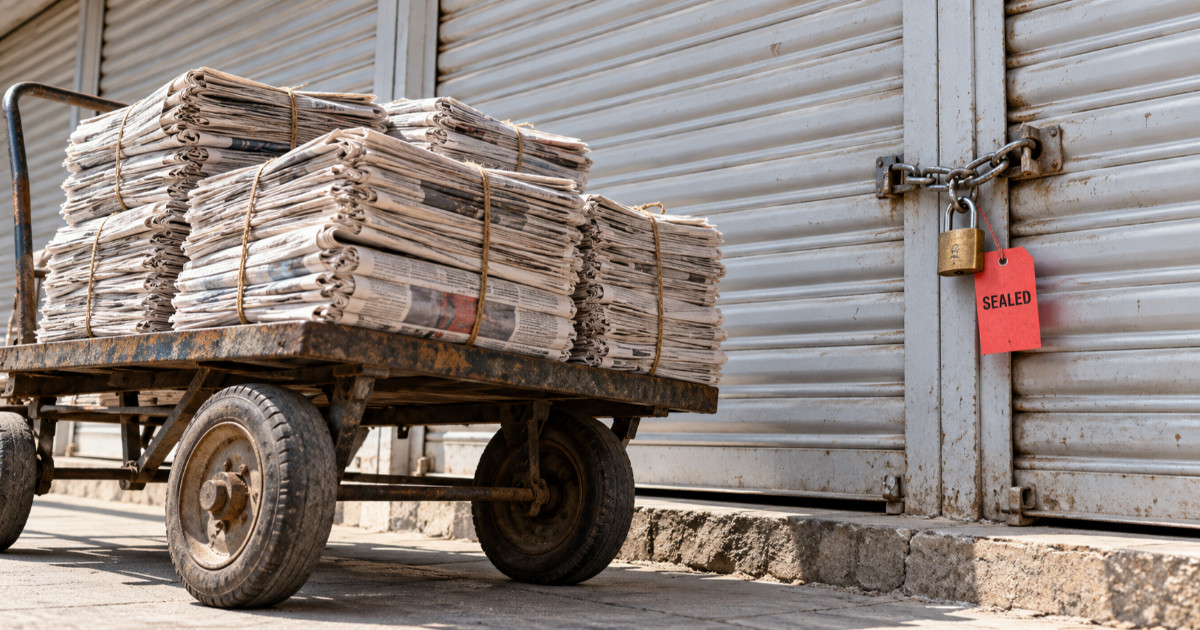
PHOTO: AI-generated; for illustrative purposes
Key Points
- US President announced plans to bar three outlets, including CNN and Politico, from White House access over coverage.
- The BBC's shrinking reserves highlighted financial stress on public-service media.
- Arrests, raids and legal cases targeted journalists in Turkey, Bangladesh, Pakistan and the occupied West Bank.
- Reports said Meta's copyright system was manipulated to suppress protest documentation in Albania, showing tech-based control of information.
- A reported dismissal of a Pakistani anchor underscored media owners' power over employment and labor reporting.
Key Questions & Answers
Why would barring outlets from the White House matter?
Excluding outlets limits reporters' access to official briefings, undermines the ability to hold power to account, and raises constitutional and press-freedom concerns.
How do shrinking reserves affect public-service media like the BBC?
Smaller reserves force budget cuts, staffing reductions and programming changes, weakening public-service capacity and editorial independence.
What risks are journalists facing in the countries mentioned?
Reporters face arrests, raids, legal cases, threats to family members and other forms of intimidation that impede newsgathering and reporting.
How can technology be used to suppress protest documentation?
Tools like copyright claims, takedown systems and algorithmic moderation can be misused to remove or hide protest content and limit public visibility.
Relevant Topics
Ask AI: Understand this story your way
AI EnabledDig deeper, ask anything — get instant context, background, and clarity.
Disclaimer: This feature is powered by AI and is intended to help readers explore and understand news stories more easily. While we strive for accuracy, AI-generated responses may occasionally be incomplete or reflect limitations in the underlying model. This feature does not represent the editorial views of JournalismPakistan. For our full, verified reporting, please refer to the original article.