
The JournalismPakistan Global Media Brief | Edition 39 | September 25, 2026
JournalismPakistan.com | Published: 25 September 2026 | JP News Desk
Join our WhatsApp channel
After a ban, a judge ordered White House access restored to three outlets; a settlement cleared Paramount Skydance's takeover but left questions about editorial safeguards. Globally, media face closures, print exits, detentions and AI training disputes.Summary
Editor's note
This week’s developments show how control over journalism is being contested on several fronts at once: government access, corporate ownership, legal pressure, technology and financial survival. A federal judge forced the White House to restore access to three news organizations, but only after a presidential ban disrupted coverage and prompted an extraordinary show of newsroom solidarity. Meanwhile, a major media merger moved closer to completion amid doubts about safeguards for CNN and CBS News.
Beyond the United States, the pressures were just as revealing. A Philippine media watchdog prepared to close after 37 years, two Puerto Rican newspapers abandoned print, and journalists faced detention, intimidation or criminal charges in Africa and Tunisia. In Australia, the battle over whether AI companies should be allowed to train models on copyrighted creative work again placed publishers and creators at the center of a global policy dispute.
Global media power shifts
Paramount takeover raises questions over newsroom independence — A settlement with 12 U.S. states and the Writers Guild of America cleared a major obstacle to Paramount Skydance’s takeover of Warner Bros. Discovery, which would place CNN and CBS News under David Ellison's leadership. The agreement requires an editorial independence board, but media and legal experts questioned its effectiveness because its powers remain unclear and its members would be appointed and paid by the combined company. (Reuters and The Associated Press, September 22, 2026).
Why it matters: The deal would concentrate two major U.S. news organizations under one owner. Weak or unenforceable independence safeguards could leave editorial decisions vulnerable to corporate and political influence.
Asia media watch
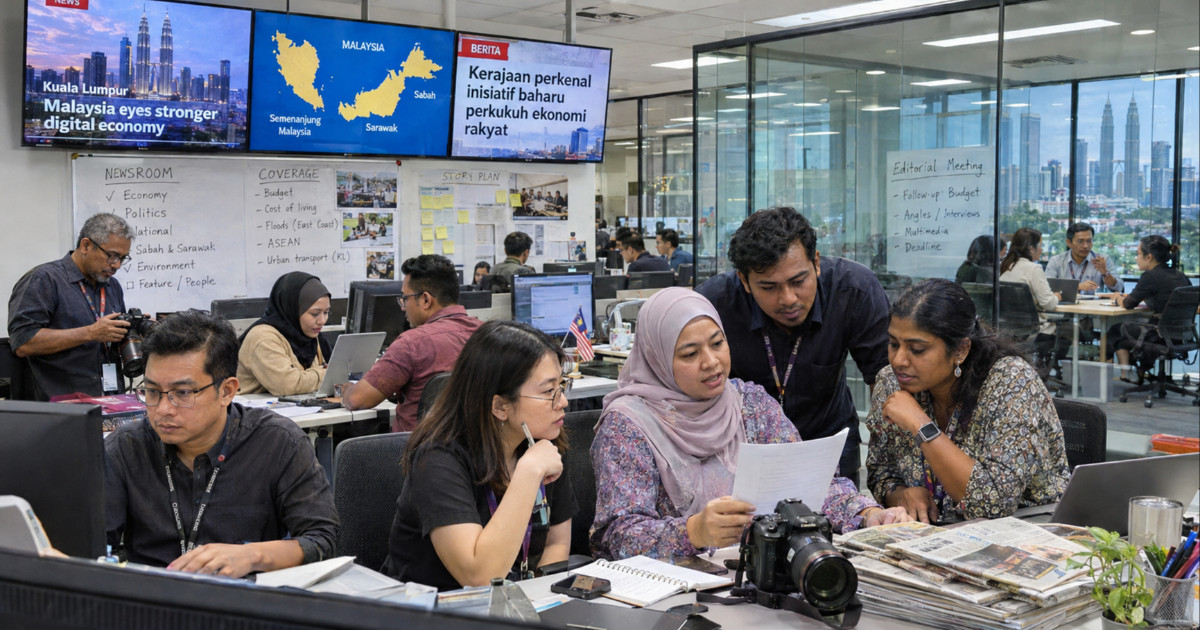
Malaysia urged to strengthen freedom of information bill — The Committee to Protect Journalists called on Malaysia to substantially revise a draft freedom of information law now before a parliamentary committee. CPJ said the bill contains broad exemptions, weak oversight and provisions that could expose applicants to fines or imprisonment if information is used for a purpose different from the one stated in the original request. A national town hall on the draft is scheduled for September 28. (Committee to Protect Journalists, September 24, 2026; Article 19, the Centre for Independent Journalism and the C4 Center analysis, September 2026).
Why it matters: A freedom of information law can strengthen accountability only if journalists and citizens can obtain and use public records without facing vague restrictions or legal retaliation.
Middle East media
CPJ review revises journalist casualty records — The Committee to Protect Journalists completed a review of 229 deaths recorded in Israel and the occupied Palestinian territory between October 2023 and August 2026. Based on new information, CPJ removed 22 people previously listed as journalists, reinstated six and reclassified 12. An external audit found that the organization had applied its established methodology, and CPJ said Israeli forces remained responsible for by far the majority of journalist and media worker killings worldwide since 2023. (Committee to Protect Journalists, September 24, 2026).
Why it matters: Transparent corrections strengthen the credibility of casualty documentation, which is essential to establishing the scale of attacks on the press and pursuing accountability.
Africa media update
DRC journalist faces prison over interview — Congolese music journalist Virginie Manganga was arrested on September 20 after broadcasting an interview with a woman who made allegations about musician Fally Ipupa. Manganga was charged with defamation and disseminating false information and could face up to five years in prison if convicted. Ipupa’s marketing director told CPJ that the musician was not involved in the arrest and was not the complainant. (Committee to Protect Journalists, September 23, 2026).
Why it matters: The case shows how criminal defamation and false-information laws can turn disputes over reporting into prison threats and intensify pressure on journalists in the Democratic Republic of the Congo.
South African investigative journalist freed in Djibouti — South African investigative journalist Micah Reddy, Africa editor for the International Consortium of Investigative Journalists, was freed and deported from Djibouti after his family lost contact with him. Djiboutian authorities said he lacked the required media accreditation, while his family said he was not in the country on a reporting assignment. His local fixer, Kooki Mahmoud, was reportedly released without charge. (Reuters and CPJ Africa, September 22, 2026).
Why it matters: The case highlights how accreditation rules can create uncertainty and risk for journalists, including when authorities and reporters disagree over whether a visit constitutes journalistic work.
Media business and sustainability
CMFR closure exposes funding strain on media watchdogs — The Philippines’ Center for Media Freedom and Responsibility will cease operations on September 30 after 37 years, saying changes in the funding environment have made it difficult to secure the resources needed to continue. (CMFR public statement, September 18, 2026; GMA News, SunStar and the Philippine Daily Inquirer, September 18, 2026).
Why it matters: CMFR combined press freedom monitoring with media ethics, training and accountability work. Its closure highlights the financial vulnerability of nonprofit institutions that preserve records, document attacks and strengthen journalism standards.
Puerto Rico newspapers end print editions — GFR Media announced that El Nuevo Día and Primera Hora, two of Puerto Rico’s leading newspapers, will become fully digital on September 28. Primera Hora published its final print edition on September 24, while El Nuevo Día is scheduled to publish its last on September 27. The company cited changing consumer habits. (GFR Media and The Associated Press, September 21–24, 2026).
Why it matters: The move reflects the continuing retreat from print as publishers follow audiences online, while raising questions about jobs and access for readers who still depend on physical newspapers.
Media law and regulation
Judge halts White House ban and restores media access — The White House reinstated journalists from CNN, MS NOW and Politico on September 24 after U.S. District Judge Tim Kelly ordered a 14-day halt to President Donald Trump’s ban. Kelly found that revoking the journalists’ credentials likely violated their due process rights and questioned the administration’s national security justification. The three outlets had sued after their reporters were denied entry and their permanent passes were deactivated. (Reuters and The Associated Press, September 21–24, 2026).
Why it matters: The temporary order reinforces the principle that a government cannot condition press access on favorable coverage, although the wider constitutional dispute remains unresolved.
Justice and accountability
Malta appeals verdict in Daphne Caruana Galizia case — Malta’s attorney general appealed the acquittal of businessman Yorgen Fenech on charges of complicity and criminal association in the 2017 murder of investigative journalist Daphne Caruana Galizia. Fenech was acquitted by an 8–1 jury verdict earlier in September. Under Maltese law, the appeals court may order a retrial if it finds that the interests of justice require one. (Reuters, September 22, 2026).
Why it matters: The appeal keeps open the question of accountability for one of Europe’s most consequential journalist killings, nine years after the car-bomb attack.
Platforms and technology
AI firms challenge Australia’s copyright stance — OpenAI and Anthropic urged Australia to reconsider its refusal to allow copyrighted creative content to be used for AI training. In submissions to a parliamentary inquiry, the companies proposed a limited or conditional framework, while authors, publishers and other creators continued to oppose the use of their work without consent or payment. The inquiry is due to report in November. (Reuters, September 22, 2026; submissions to Australia’s Joint Select Committee on Artificial Intelligence, September 2026).
Why it matters: Australia’s decision could influence how governments balance AI investment against creators’ rights and whether publishers receive control or compensation when their work is used to train commercial models.
Press freedom and journalist safety
Tunisian journalists report detention and mistreatment — Three journalists from the independent news site Nawaat were briefly detained in Tunis on September 21 after a caller allegedly posing as a courier lured one of them to a meeting. According to CPJ and Tunisia’s journalists’ union, plainclothes officers held the group for nearly two hours, attempted to access their phones without a warrant and warned them not to disclose the incident. Tunisian authorities did not immediately respond to CPJ’s request for comment. (Committee to Protect Journalists and the National Syndicate of Tunisian Journalists, September 24, 2026).
Why it matters: The alleged use of deception, warrantless phone access and threats points to increasingly coercive tactics against independent journalists in Tunisia.
IFJ figures expose gender gap in union leadership — Women remain underrepresented at the highest levels of journalists’ unions, according to IFJ Gender Council figures presented during a PFUJ webinar on September 22. Men headed 78 percent of the organizations surveyed, compared with 22 percent led by women, while 58 percent had established gender committees. (PFUJ press release, September 22, 2026; IFJ Gender Council strategy for 2026–2029).
Why it matters: Unions campaigning for safer and more equitable media workplaces must also confront gender disparities within their own leadership and decision-making structures.
The bigger picture
Across this week’s stories, the central issue is power: who grants access, who owns newsrooms, who controls information, who sets the terms for technology and who pays for public-interest reporting. The court order restoring White House access was an important check on executive retaliation, but it was temporary. The proposed safeguards around CNN and CBS News may prove too weak, while the closure of CMFR and the retreat from print show that editorial independence means little without financial resilience.
The pattern is global. Governments continue to use accreditation, detention, criminal defamation and restrictive laws to narrow the space for reporting. At the same time, publishers and journalists must negotiate with powerful technology companies over the use and value of their work. Journalism’s future will depend not only on defending individual reporters, but also on preserving the institutions, revenue models and legal protections that allow independent reporting to survive.
ATTRIBUTION: Compiled and analyzed by JournalismPakistan
ABOUT THIS BRIEF: The Global Media Brief is a flagship product of JournalismPakistan.com, published every Friday. Read previous editions here.
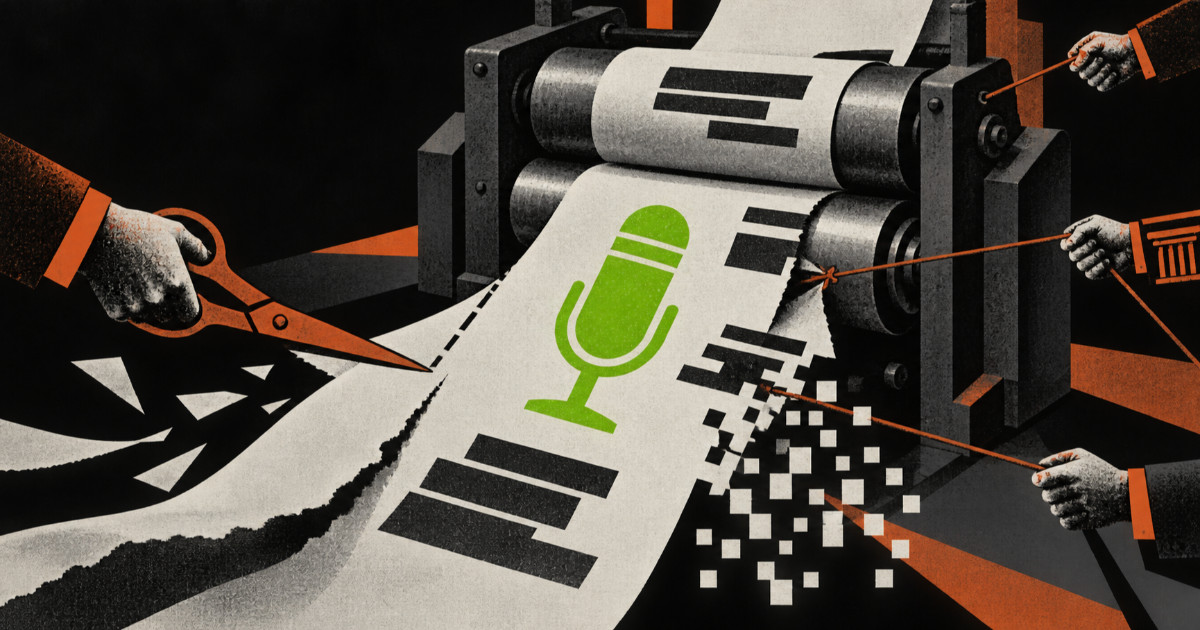
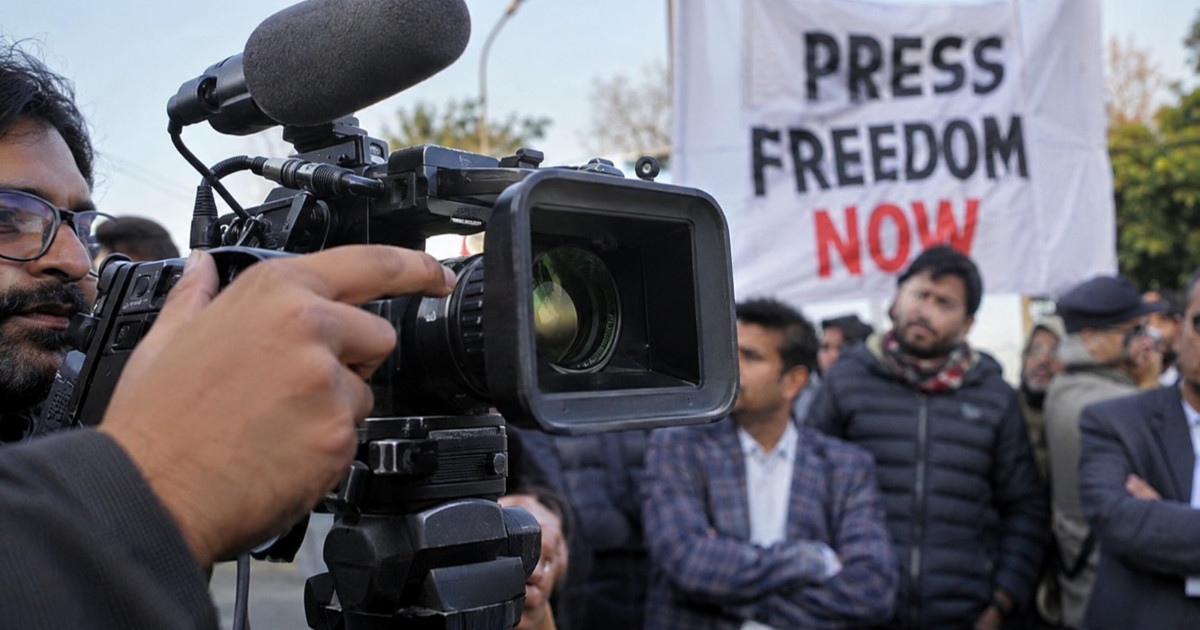
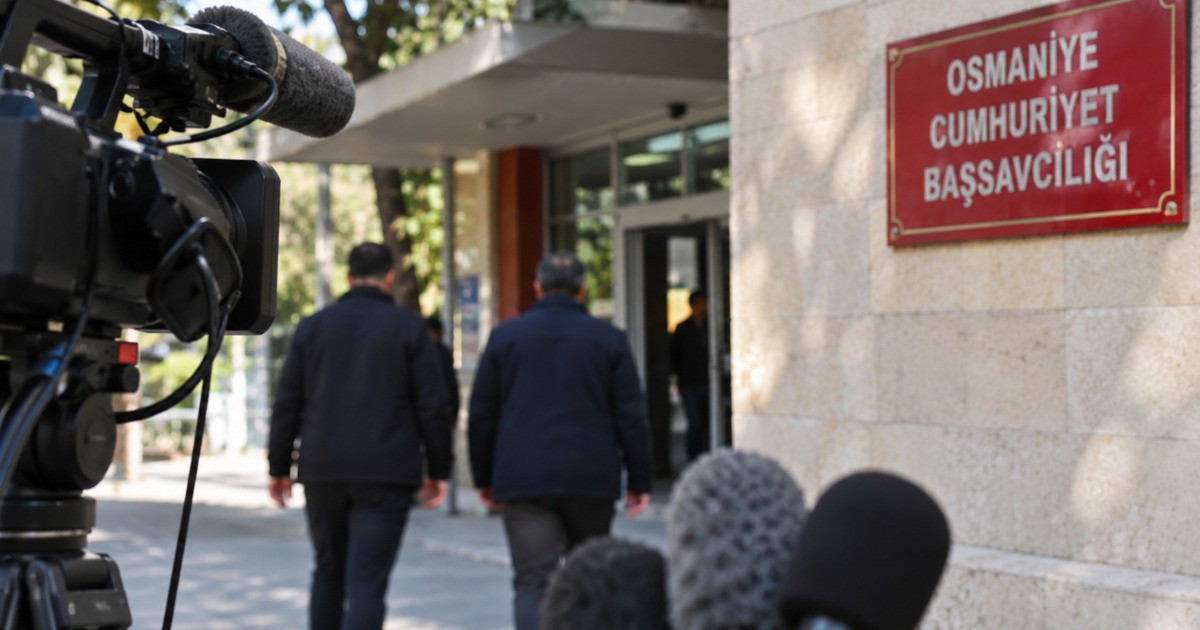
PHOTO: AI-generated; for illustrative purposes
Key Points
- A federal judge ordered restoration of White House access for three news outlets after a presidential ban.
- Newsrooms showed solidarity in response to the access restrictions.
- A settlement cleared Paramount Skydance's takeover of Warner Bros. Discovery but raised doubts about an editorial independence board.
- Philippine and Puerto Rican outlets faced closures or ended print runs amid wider financial strain.
- Journalists globally encountered detentions, intimidation and legal risks while AI training and copyright disputes intensified.
Key Questions & Answers
Why did a judge order restoration of White House access?
The court found that the ban on certain news organisations disrupted press coverage and likely violated procedural or legal norms, prompting restoration of access while legal challenges continue.
What does the Paramount Skydance settlement do?
The settlement cleared a major regulatory hurdle for the Paramount Skydance takeover of Warner Bros. Discovery and requires an editorial independence board, though details and powers remain contested.
What are the concerns about the editorial independence board?
Critics say the board's effectiveness is unclear because its members would be appointed and funded by the combined company, raising questions about true independence and enforcement powers.
What broader global media pressures were highlighted?
Reports noted media watchdog closures, print editions ending, arrests and intimidation of journalists in several countries, and renewed debates over AI training on copyrighted material.
Relevant Topics
Ask AI: Understand this story your way
AI EnabledDig deeper, ask anything — get instant context, background, and clarity.
Disclaimer: This feature is powered by AI and is intended to help readers explore and understand news stories more easily. While we strive for accuracy, AI-generated responses may occasionally be incomplete or reflect limitations in the underlying model. This feature does not represent the editorial views of JournalismPakistan. For our full, verified reporting, please refer to the original article.