
Can fake legal notices silence online journalism in India?
JournalismPakistan.com | Published: 6 November 2026 | JP Special Report
Join our WhatsApp channel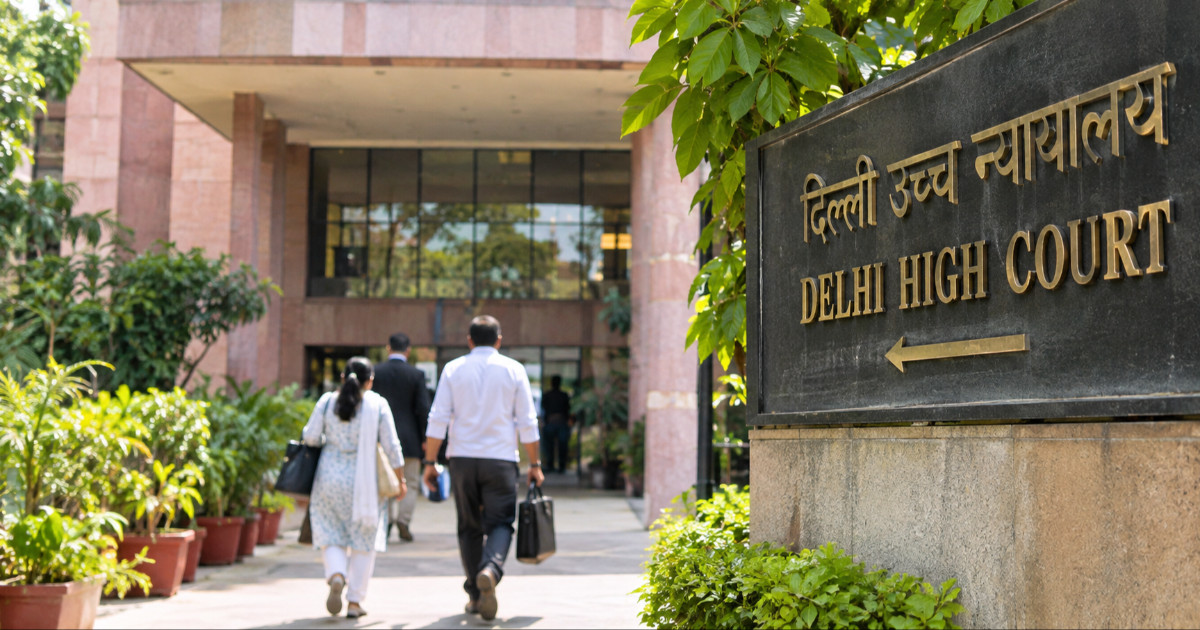
Forged government orders can cause platforms to remove content before verifying authority, threatening online journalism. X told the Delhi High Court that impersonated police takedown requests targeted IFF and SFLC.in, revealing flaws in takedown systems.Summary
NEW DELHI — A forged government order can threaten online journalism even before a website or social media account is blocked. When a document appears to carry official authority and demands immediate removal of content, journalists and digital publishers face a difficult question: Is the order genuine, and what happens if a platform acts before checking?
That question has gained urgency in India after social media platform X told the Delhi High Court on November 6, 2026, that purported police takedown requests targeting the Internet Freedom Foundation (IFF) and Software Freedom Law Center India (SFLC.in) had been submitted by an impostor. The case has exposed a potential weakness in online content-removal systems: a false claim of legal authority can enter the same reporting channels used for genuine government requests.
What is a fake legal takedown notice?
A legal takedown notice is a demand to remove or restrict access to online material. It may come from a court, government authority, lawyer or private complainant, depending on the circumstances and applicable law.
Such notices can concern alleged defamation, copyright infringement, unlawful content, threats to public order or other legal violations. However, receiving a legal notice does not automatically establish that the material is unlawful or that its removal is legally required.
A fake takedown notice falsely presents itself as an authorized legal communication. It may impersonate a police officer, cite legislation without proper authorization, reproduce official-looking formatting or demand compliance within an unusually short period.
There is also an important distinction between a forged notice and a genuine notice containing an incorrect or disputed legal claim. The first raises questions of authenticity and impersonation. The second may require examination of the law, the issuing authority's powers and the grounds for the demand.
What happened in India?
The recent controversy involved requests purportedly issued in the name of Delhi Police officials seeking the removal of posts and accounts associated with organizations monitoring digital rights and online censorship.
According to court reporting, the requests dated October 31 and November 2 targeted material involving IFF, SFLC.in, and the Geoblocked India account. One request sought action against 40 URLs, including 37 posts and three accounts. The disputed communications referred to alleged defamation of the Rashtriya Swayamsevak Sangh (RSS).
The organizations challenged the notices in the Delhi High Court, questioning their authenticity and legal basis.
On November 6, X informed Justice Amit Mahajan that an internal investigation had established that the purported police requests were not genuine. Delhi Police also denied issuing them. X said it had not acted on the requests and had filed a complaint with police to identify the impostor.
The court subsequently disposed of the petitions after recording X's position. The proceedings did not establish the identity of the person responsible for submitting the false requests.
The distinction matters. The case is not evidence that a lawful government order was improperly issued. It concerns an attempt to invoke government authority through communications that the platform subsequently identified as fraudulent.
How can a forged notice affect online journalism?
Online publishers depend heavily on digital platforms to distribute reporting, reach audiences, and maintain public visibility. A request to remove an account or restrict a post can therefore have consequences beyond the disappearance of individual content.
A forged notice may create several kinds of pressure.
First, a platform might restrict material if its verification process fails. Second, publishers may expend time and resources responding to legal allegations that have no legitimate official basis. Third, the apparent threat of enforcement may discourage further reporting on controversial subjects.
There is also the risk of confusion among readers. If a journalist's account becomes inaccessible following an apparent government complaint, audiences may assume that the journalist violated the law, even when that conclusion is unsupported.
These are potential consequences of fraudulent legal demands, not findings that they occurred in the Indian case. X told the court that it had not acted on the disputed requests.
What does Indian law require platforms to do?
India regulates online intermediaries through the Information Technology Act, 2000, and the Information Technology (Intermediary Guidelines and Digital Media Ethics Code) Rules, 2021, as amended.
Section 79 of the Act provides intermediaries with conditional protection from liability for third-party content. This protection is commonly known as safe harbor. Platforms must satisfy applicable due diligence requirements to retain it.
Under Rule 3(1)(d), as amended in February 2026, intermediaries must remove or disable access to specified unlawful information within three hours after receiving legally recognized actual knowledge through a competent court order or a qualifying written intimation from an authorized government officer.
The three-hour period replaced the earlier 36-hour requirement and took effect on February 20, 2026.
However, the deadline does not make every complaint or message claiming to come from the government legally binding.
Government intimations under the rule must meet requirements concerning authorization, reasons, and identification of the content involved. Where the issuing authority is the police administration, the officer must be at least of Deputy Inspector General rank and specifically authorized by the appropriate government.
The rules also require written government intimations to identify the relevant legal basis, statutory provision, alleged unlawful conduct, and particular online material targeted.
A separate blocking framework exists under Section 69A of the Information Technology Act and the associated 2009 rules. The procedures and legal authority applicable to blocking orders should not be confused with every ordinary content complaint sent to a platform.
Why is the three-hour deadline controversial?
The shorter deadline is intended to facilitate quicker action against unlawful online content. India's Ministry of Electronics and Information Technology has argued that rapid intervention is important where harmful material can spread widely before authorities or platforms respond.
The government has identified risks involving deepfakes, impersonation, misinformation and other online harms as reasons for strengthening intermediary obligations.
But speed can create practical difficulties.
A platform receiving an apparently official removal request must determine whether the communication is authentic, whether the sender is authorized and whether the request satisfies the applicable legal requirements.
These checks become particularly important when a demand seeks to remove an entire account rather than a specific post.
Digital rights organizations have questioned whether very short compliance deadlines give intermediaries sufficient opportunity to examine questionable requests and protect lawful expression.
The Indian case illustrates the underlying concern. A document submitted in the name of a senior police official reached X's reporting system and was initially communicated to affected organizations before its fraudulent origin was established.
The case does not demonstrate that the three-hour deadline caused the attempted impersonation. It does, however, show why verification matters in systems that require rapid decisions.
What protections exist against improper takedowns?
India's Constitution protects freedom of speech and expression under Article 19(1)(a), subject to reasonable restrictions permitted by Article 19(2).
A significant legal precedent is the Supreme Court's 2015 decision in Shreya Singhal v. Union of India.
The court restricted the interpretation of intermediary liability under Section 79, establishing that legally relevant knowledge requiring action must arise through a court order or notification from an appropriate government authority or agency, within the constitutionally permitted grounds.
This protection is intended to prevent platforms from being required to decide independently, merely based on private allegations, whether disputed expression is unlawful.
Nevertheless, constitutional safeguards cannot function effectively if a platform mistakes a fraudulent communication for an authentic government direction.
The Indian intermediary rules also include mechanisms for user grievances. These provide routes for challenging certain platform decisions, although they do not replace judicial remedies or guarantee that every removal dispute will be resolved before content becomes inaccessible.
Judicial review remains particularly important where a publisher disputes the authority, procedure or legality of a government-directed restriction.
How should platforms authenticate legal notices?
Authentication requires more than checking whether a document carries a government emblem or quotes a legal provision.
A sound verification process would establish the identity of the sender, confirm the issuing authority's legal powers, and determine whether the notice originated through an authorized communication channel.
Where a request claims to come from police or another government agency, platforms can seek confirmation through independently verified official contacts rather than relying solely on the contact details supplied in the notice.
They can also examine whether the document identifies the relevant statutory provision, the content concerned and the grounds for demanding removal.
Technical safeguards, including verified official accounts, secure submission systems and reliable records of government requests, can make impersonation more difficult.
These are recommended verification practices, not a claim that every measure is expressly required by Indian law.
Platforms must also distinguish between the authenticity of a document and the legality of its demands. A genuine government communication may still be open to legal challenge.
What should journalists do when they receive a takedown notice?
Journalists and digital publishers should avoid treating a legal demand as either automatically valid or automatically fraudulent.
A notice should be preserved in its original form, including its date, sender information, attachments, and relevant email records. Publishers should also retain copies of the affected reporting and any communications received from a platform.
The first question is whether the notice genuinely originated from the named person or authority. Where doubts exist, verification should be sought through independently established official channels.
The second question is whether the sender has the legal power to make the demand and whether the cited law applies to the material involved.
The third is whether the notice requires immediate action, allows a response or can be challenged.
For smaller news organizations, obtaining qualified legal advice can be important, particularly where a demand threatens account suspension, criminal proceedings or the loss of essential publishing channels.
Newsrooms should also maintain independent copies of published work and avoid relying on a single social media service as their only means of reaching readers.
None of these precautions removes the need to comply with a valid and applicable court order. Their purpose is to distinguish legitimate legal obligations from unsupported or fraudulent demands.
Why this matters
The Indian case shows that online journalism can face threats not only from genuine restrictions but also from attempts to misuse the systems designed to enforce them. For digital news organizations, document authentication, legal awareness, and preservation of publishing records are becoming essential safeguards. The wider challenge is ensuring that legitimate action against unlawful content does not create an opportunity for fraudulent requests to suppress lawful reporting.
What happens next?
X has said it filed a complaint seeking identification of the person who submitted the fraudulent requests. As of November 6, the publicly reported court proceedings had not identified the impostor or established a motive.
The larger question extends beyond the outcome of that investigation.
Governments have legitimate reasons to seek removal of certain unlawful material, and platforms are expected to comply with valid legal obligations. But the effectiveness of such systems depends on their ability to distinguish genuine authority from impersonation.
For journalists, the concern is straightforward: when online speech can be restricted through rapid legal processes, the authenticity of the demand must be established before its authority is accepted.
Key takeaways
- A legal takedown notice is not automatically valid simply because it claims official authority.
- X told the Delhi High Court on November 6 that requests targeting Indian digital rights organizations were submitted by an impostor.
- India's amended intermediary rules provide a three-hour deadline for certain legally valid removal directions, not every complaint.
- Platforms need reliable methods to verify the identity and authority of those requesting removal.
- Journalists should preserve suspicious notices, verify their origin and seek legal advice before making consequential decisions.
ATTRIBUTION: Reporting by JournalismPakistan, based on India's Information Technology Act, 2000, the Information Technology Rules, 2021, as amended in February 2026, the Supreme Court's Shreya Singhal judgment of March 24, 2015, and Delhi High Court proceedings reported by Reuters, The Indian Express and LiveLaw on November 6, 2026.
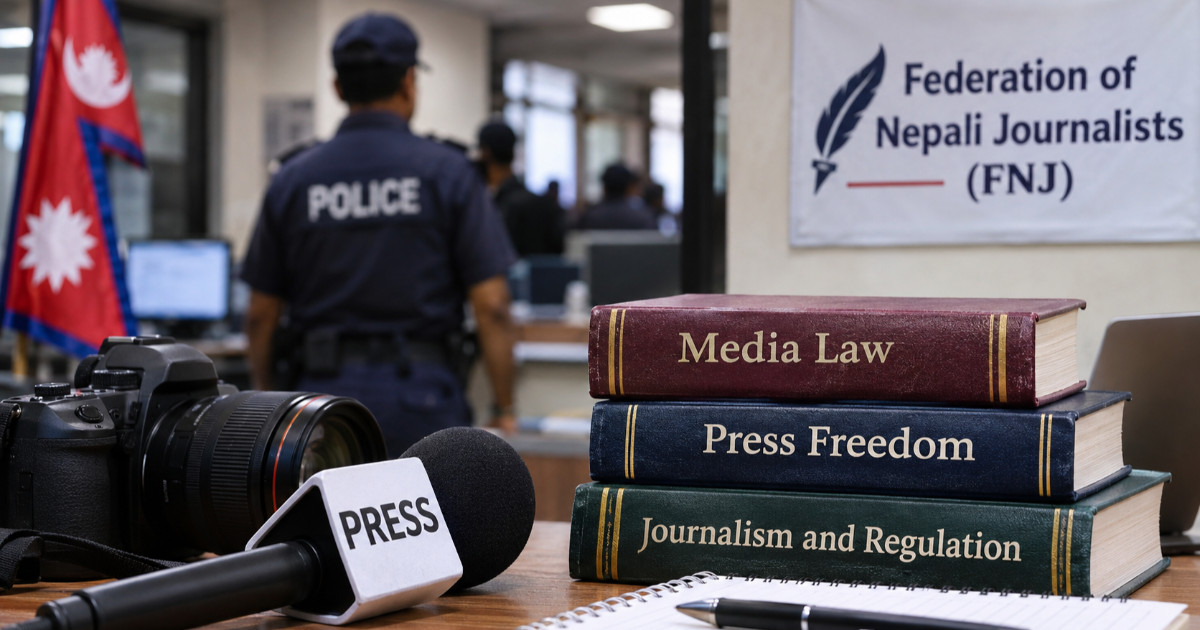
PHOTO: AI-generated; for illustrative purposes only.
Key Points
- Forged legal takedown notices can mimic official government or police orders.
- Platforms may remove content quickly, creating risk of wrongful censorship.
- The issue surfaced when X told the Delhi High Court that impostor requests targeted IFF and SFLC.in.
- Fake notices can exploit the same channels used for genuine government requests.
- Journalists and publishers face difficult choices about verification and compliance.
Key Questions & Answers
What is a fake legal takedown notice?
A fake takedown notice falsely presents itself as an authorized legal communication, often impersonating officials or using official-looking formats to demand removal of content.
Why are fake notices a threat to online journalism?
They can prompt premature removals by platforms, silencing reporting and restricting access to lawful content before authenticity is checked.
How did this issue come to light in India?
X informed the Delhi High Court that impersonated police takedown requests had been submitted against organisations including IFF and SFLC.in, exposing vulnerabilities in takedown processes.
What can journalists and platforms do to reduce risks?
They can adopt stronger verification procedures, document requests, seek legal advice before compliance, and push for clearer platform safeguards against impersonation.
Relevant Topics
Ask AI: Understand this story your way
AI EnabledDig deeper, ask anything — get instant context, background, and clarity.
Disclaimer: This feature is powered by AI and is intended to help readers explore and understand news stories more easily. While we strive for accuracy, AI-generated responses may occasionally be incomplete or reflect limitations in the underlying model. This feature does not represent the editorial views of JournalismPakistan. For our full, verified reporting, please refer to the original article.