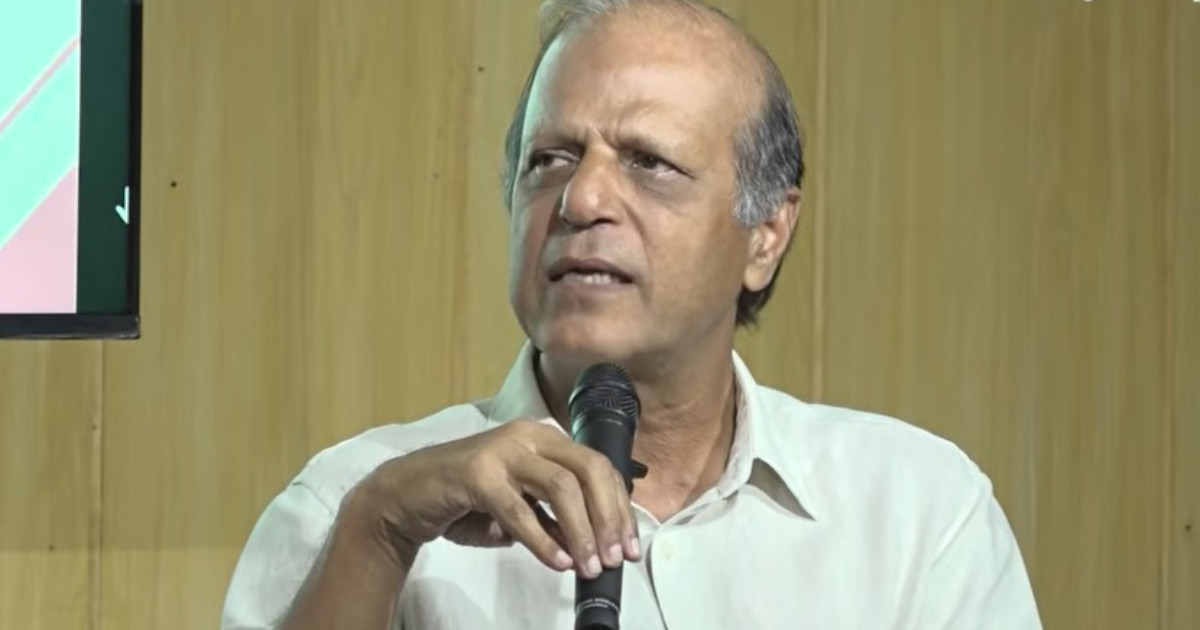

Who protects journalists from misuse of PECA in Pakistan?
JournalismPakistan.com | Published: 6 November 2026 | JP Special Report
Join our WhatsApp channel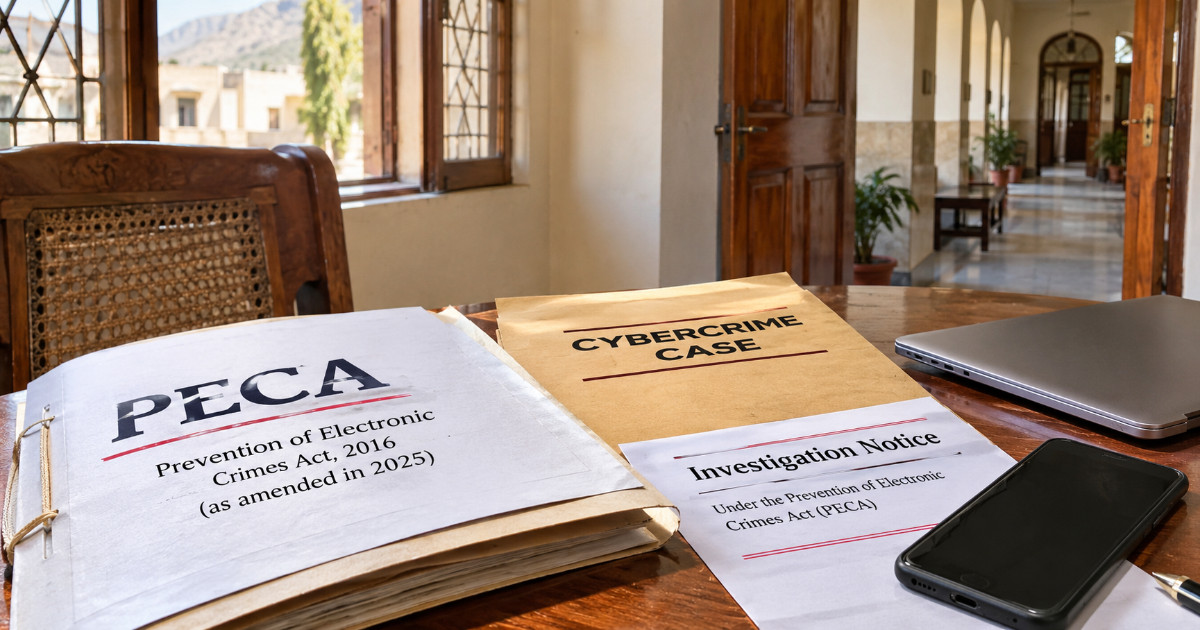
The registration of PECA cybercrime cases and raids against Quetta journalists Agha Obaid, Maqbool Jafar and Sana Achakzai has raised concerns about legal harassment of media, the role of the NCCIA and whether existing institutions can protect press freedom.Summary
ISLAMABAD — Pakistan has laws intended to protect journalists, courts empowered to review unlawful state action, and institutions responsible for investigating threats against media workers. Yet the registration of cybercrime cases against three journalists in Quetta has renewed a fundamental question: who protects journalists when the legal process itself becomes a source of pressure?
The latest cases, involving Agha Obaid, Maqbool Jafar and Sana Achakzai, come as Freedom Network warns that legal proceedings are increasingly being used to intimidate journalists without necessarily securing convictions.
The National Cyber Crime Investigation Agency (NCCIA), established to investigate offenses under the Prevention of Electronic Crimes Act (PECA), sits at the center of this debate. Its powers are intended to address genuine cybercrime, but their application to journalism raises questions about due process, independent reporting and the effectiveness of existing protections.
What happened to the journalists in Quetta?
On November 5, Voicepk Urdu reported that three Quetta-based journalists were facing cases under PECA and that their homes had been raided. The journalists disputed the action, while the Balochistan government maintained that the cases concerned allegedly fabricated information about the Chief Minister's House and state institutions.
According to Voicepk, Agha Obaid said he published a four-minute video on October 31 after consulting several sources about developments in Quetta. He claimed that an FIR was registered approximately half an hour later, without prior notice, and that his residence was raided the following day. Maqbool Jafar described the action as vindictive and alleged harassment during residential raids. These allegations have not been independently established. None of the three journalists had been arrested when Voicepk published its November 5 report.
What is the government's position?
Balochistan government adviser Shahid Rind confirmed that cases had been registered through the NCCIA. He maintained that authorities were entitled to pursue legal action against the dissemination of fake news and described the disputed reporting as fabricated.
The government's argument raises a legitimate issue: journalists and other online publishers do not have unlimited freedom to disseminate unlawful material knowingly. The state has a responsibility to investigate offenses that meet the requirements of criminal law, including certain forms of deliberately false online information.
The unresolved question is whether the specific allegations satisfy those legal requirements and whether investigative procedures have been proportionate. At the time of the November 5 reporting, the Balochistan Union of Journalists had begun examining the matter. No judicial determination establishing the journalists' guilt had been reported.
What powers does PECA give the NCCIA?
PECA was enacted in 2016 to address offenses involving electronic information systems, online communications, digital fraud, and other forms of cybercrime. Amendments introduced in 2025 significantly changed the regulatory and enforcement framework, including the establishment of the NCCIA as the designated federal agency for investigating offenses under the law.
One particularly disputed provision is Section 26A, introduced through the 2025 amendments. It criminalizes the intentional dissemination of information through an information system when the person knows or has reason to believe it is false or fake and it is likely to create fear, panic, disorder or unrest among the public or society.
The provision carries a possible prison sentence of up to three years, a fine of up to Rs2 million, or both.
Importantly, the law does not make every inaccurate news report a criminal offense. The prosecution must establish the applicable statutory elements. An error, a disputed interpretation of events or criticism of an official does not automatically demonstrate the knowledge, intention, and likely consequences required under Section 26A.
The NCCIA can investigate suspected PECA offenses through authorized officers, subject to the law's procedural requirements. But investigative authority is not equivalent to a judicial finding of guilt. A complaint, notice, or FIR remains an allegation until the relevant proceedings establish otherwise.
Why are journalists concerned about NCCIA practices?
JournalismPakistan has documented a series of cases in which journalists have challenged NCCIA notices, investigations, arrests and demands involving electronic devices.
On August 7, JournalismPakistan reported that the Islamabad High Court had directed the NCCIA not to harass journalist Asad Toor during an investigation concerning allegedly false information. Toor had challenged a notice he considered vague and sought protection from possible arrest. The court's intervention offered procedural relief, not a final judgment dismissing the allegations.
On October 12, JournalismPakistan reported that journalist Alifya Sohail had disclosed an NCCIA summons requiring her to appear at its Karachi office with relevant digital devices. She said the notice referred to alleged anti-state social media content without identifying a specific post, complainant or supporting evidence. The account highlighted concerns about the clarity of investigative notices and the possible exposure of confidential reporting material.
JournalismPakistan also followed the September arrest and detention of journalist Bilal Ghauri under PECA and reported on television anchor Iqrarul Hassan's October proceedings. Hassan was granted bail by a Karachi magistrate on October 31 against surety bonds of Rs200,000, while forensic examination of seized devices remained pending.
These cases differ in their allegations, procedures and outcomes. They cannot collectively establish that every NCCIA investigation was unlawful. They do, however, demonstrate how journalists may face significant legal and professional disruption before the merits of a case are finally determined.
There is another side to the agency's work. On October 15, JournalismPakistan reported that Dawn News journalist Ali Akbar had sought NCCIA action against allegedly fabricated AI-generated videos using his likeness and synthetic voice. That complaint illustrates why journalists themselves may need effective cybercrime enforcement against digital impersonation and harassment.
The challenge, therefore, is not whether a cybercrime agency should exist. It is whether its powers are exercised consistently, lawfully, and with adequate safeguards for legitimate journalism.
What did Freedom Network find?
Freedom Network's Impunity Report 2026, released on October 29, documented 97 violations involving journalists and media institutions between October 2025 and August 2026.
These included 13 legal actions and 32 threats of legal action. Together, those categories accounted for approximately 46 percent of the documented violations, suggesting that legal pressure had become a substantial component of the risks facing Pakistani journalists.
The report, titled "From Violence to Lawfare: Process as Punishment for Journalists," describes a shift in which legal and administrative procedures can impose serious consequences even when cases do not end in convictions.
Lawfare, in this context, means the use or misuse of legal mechanisms to impose pressure, discourage reporting or burden a targeted person with investigations and proceedings.
The costs can include repeated appearances before investigators, travel, legal fees, detention, examination of personal devices and damage to professional reputation. Freedom Network argues that such consequences can make the process itself punitive.
The report's findings are an assessment by a press freedom organization, not judicial determinations that all documented proceedings were unlawful. Nevertheless, they raise a significant institutional question: what remedies are available when the burden of an investigation becomes disproportionate to the alleged offense?
JournalismPakistan covered the report on October 29, placing the findings within the broader pattern of legal harassment, threats to journalists and the changing nature of pressure on Pakistani newsrooms.
Who is legally responsible for protecting journalists?
The primary responsibility rests with the state, operating through institutions that have different legal functions.
Article 19 of Pakistan's Constitution guarantees freedom of speech and expression and freedom of the press, subject to constitutionally permitted restrictions. Article 19A recognizes the right of access to information in matters of public importance, subject to regulation and reasonable restrictions imposed by law. Article 10A provides the right to a fair trial and due process.
These constitutional protections do not exempt journalists from criminal investigations. They do, however, establish standards against which investigative action and restrictions on expression can be examined.
The courts provide an important route for challenging unlawful detention, disputed investigative notices, procedural irregularities and alleged violations of fundamental rights. Depending on the circumstances, journalists may seek bail, appropriate protective orders or constitutional relief.
The Islamabad High Court's intervention in Asad Toor's case is one example of judicial oversight. But judicial protection is frequently reactive. A journalist may already have incurred substantial expense and disruption before securing relief.
What protection does the journalists' safety law provide?
Pakistan's Protection of Journalists and Media Professionals Act, 2021, created a legal framework intended to strengthen journalists' safety, independence and access to remedies.
The law provides for an independent commission to examine complaints involving threats, violence, harassment, arbitrary detention and other specified violations affecting journalists and media professionals.
The federal government formally constituted the Commission for the Protection of Journalists and Media Professionals in November 2025. Sindh also has its own provincial journalist protection framework and commission.
However, the existence of protective legislation does not automatically guarantee effective intervention.
Freedom Network's October 22 assessment of journalist safety mechanisms identified weaknesses involving institutional capacity, resources, complaint procedures and practical protection. Its October 29 report described the federal protection mechanism as effectively dysfunctional and said Sindh's commission had limited reach and demonstrated impact outside Karachi.
These are Freedom Network's assessments of institutional performance. They do not mean that the commissions have no legal authority or that courts and other remedies are unavailable.
For journalists facing investigations in places such as Quetta, the practical questions are whether protection mechanisms can respond promptly, facilitate legal assistance and examine complaints of intimidation before the consequences become irreversible.
Can authorities demand a journalist's devices and sources?
Electronic devices are central to modern reporting. A journalist's phone or computer may contain unpublished stories, interview recordings, confidential communications and identifying information about sources.
Investigators may have lawful grounds to seek electronic evidence in a criminal investigation. However, the exercise of those powers must comply with applicable legal procedures and constitutional protections. A request to bring a device to an inquiry does not, by itself, establish an unrestricted power to inspect, copy or retain everything stored on it.
This distinction matters because the seizure or examination of a journalist's equipment can affect people who are not suspected of any wrongdoing, including confidential sources.
Journalists should obtain legal advice when served with investigative notices, particularly where the requested material includes sensitive reporting records. The scope of an investigative demand, the authority under which it is issued and the protection of unrelated material may become important issues for judicial review.
The broader question is whether existing procedures provide sufficiently clear safeguards against unnecessary access to journalistic information.
What can journalists do when facing a PECA case?
A journalist receiving an NCCIA notice should first establish whether it concerns a preliminary inquiry, a registered FIR or another formal proceeding. The distinction affects the available legal options.
The notice should be examined by a qualified lawyer to determine the statutory provision involved, the authority of the investigating officer, the allegations being made and the applicable procedural requirements.
Journalists should preserve relevant notices, correspondence, published material and supporting reporting records. They should also document their efforts to verify disputed information, including dates, communications and editorial decisions.
When electronic devices are requested, legal advice is particularly important because reporting material may include confidential information unrelated to the investigation.
A journalist should not assume that ignoring an investigative notice is without consequence. Nor should the issuance of a notice be treated as proof of criminal liability.
Journalist unions, press clubs and media employers can assist through legal representation, documentation and institutional support. Their role is particularly important for freelancers and independent digital journalists who may lack the resources of established news organizations.
What needs to change?
Freedom Network has recommended clearer protections for public-interest journalism under PECA, stronger safeguards governing notices, arrests and device seizures, and more effective independent monitoring of legal action against media professionals.
It has also called for accessible legal assistance, stronger institutional support and effective journalist safety bodies.
These recommendations are proposals for reform, not protections that can be assumed to be fully operational under current law.
The Quetta cases bring the issue into focus because they involve disputed reporting, government allegations of fabricated information, NCCIA proceedings, and claims of residential raids. The appropriate legal outcome depends on evidence, the applicable provisions of PECA, and compliance with due process.
But the larger policy issue extends beyond these three cases. A credible cybercrime enforcement system must be capable of addressing genuinely unlawful online activity while allowing journalists to investigate public institutions without unnecessary or disproportionate legal pressure.
The decisive test is not simply whether journalists can eventually obtain bail or other relief. It is whether the institutions responsible for enforcing and reviewing the law can prevent legal powers from becoming instruments of intimidation.
Why this matters
Pakistan's journalists increasingly operate in a digital environment where reporting, commentary and investigative work can trigger cybercrime complaints. The distinction between investigating a genuine offense and imposing disproportionate pressure is crucial to editorial independence. Effective legal safeguards protect not only journalists but also the public's access to information about government and other powerful institutions.
Key takeaways
- PECA authorizes investigations into specified online offenses, but an NCCIA complaint or FIR does not establish guilt.
- The Quetta cases have raised fresh questions about investigative procedures, alleged raids and the treatment of disputed reporting.
- Freedom Network documented 97 press freedom violations in its 2026 report, including 45 involving legal action or threats of legal action.
- Pakistan has constitutional protections, judicial remedies and journalist safety legislation, but access to effective protection remains uneven.
- Clear investigative safeguards, independent oversight and timely legal assistance are essential to preventing misuse of cybercrime powers.
ATTRIBUTION: Reporting and analysis by JournalismPakistan, drawing on JournalismPakistan's coverage of NCCIA cases from August to November 2026; PECA and its 2025 amendments; the Protection of Journalists and Media Professionals Act, 2021; Freedom Network's reports of October 22 and 29, 2026; and Voicepk Urdu's November 5 reporting. Additional context from official government statements and reported court proceedings.
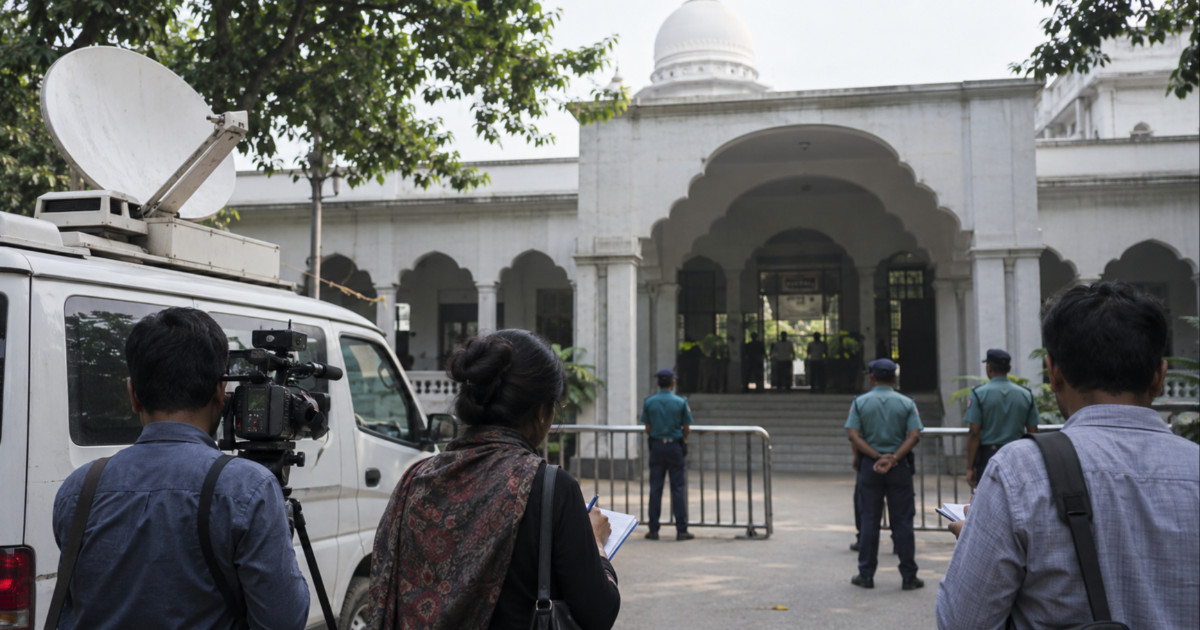
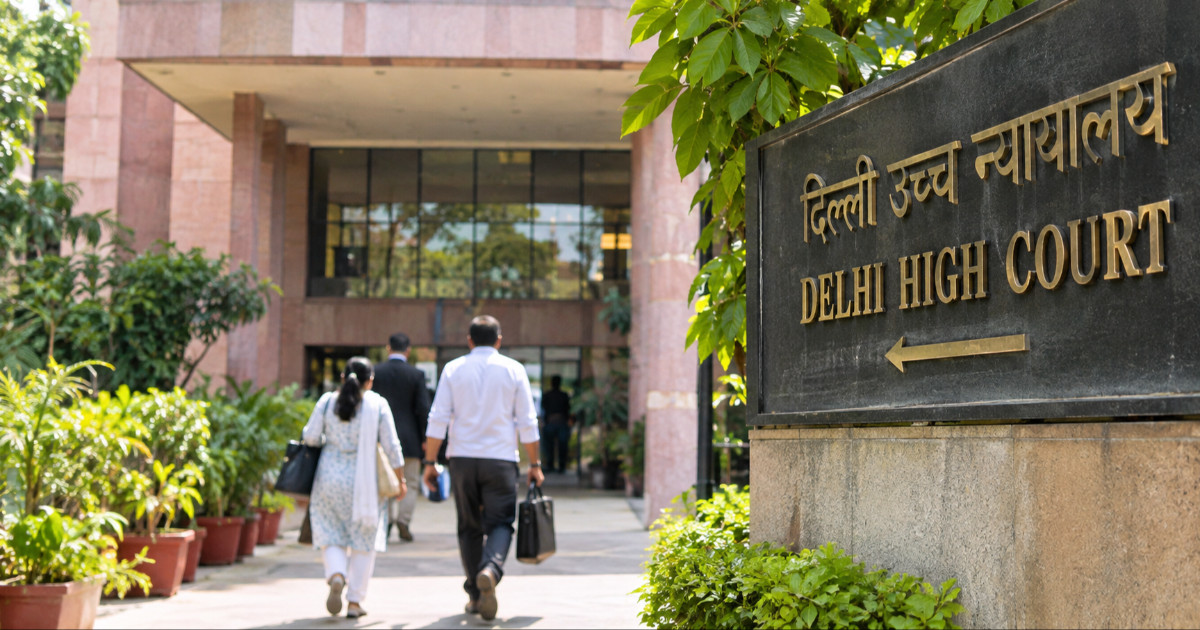
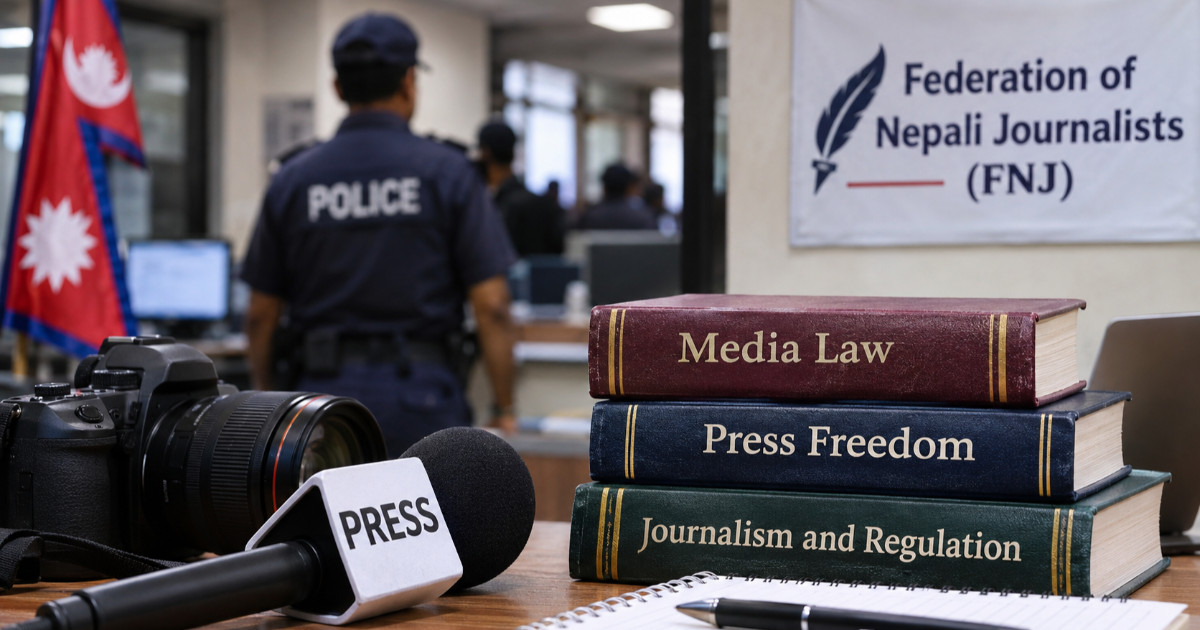
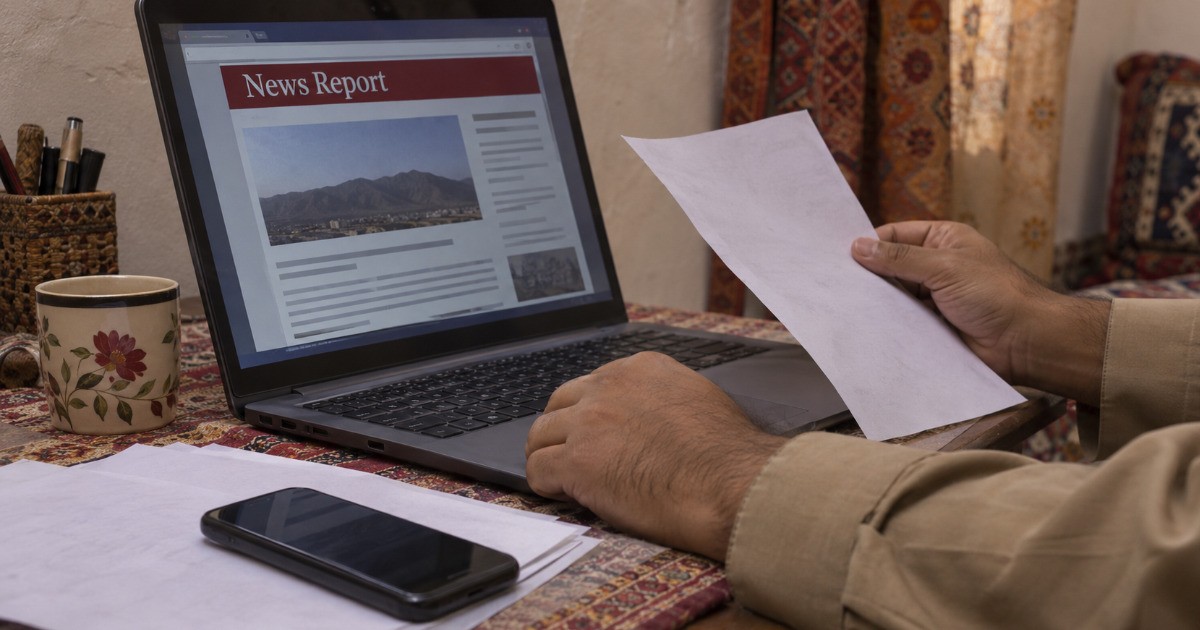
PHOTO: AI-generated; for illustrative purposes only.
Key Points
- Three Quetta journalists - Agha Obaid, Maqbool Jafar and Sana Achakzai - face PECA cases and reported home raids.
- The NCCIA, created to investigate electronic crimes, is central to disputes over how PECA is applied to journalism.
- Freedom Network and others warn legal proceedings are increasingly used to intimidate journalists without leading to convictions.
- The Balochistan government says cases involve allegedly fabricated information about the Chief Minister's House and state institutions.
- The situation highlights gaps between legal protections on paper and practical safeguards when the legal process becomes a pressure tool.
Key Questions & Answers
Why are these PECA cases controversial?
The cases are controversial because PECA, aimed at cybercrime, is being used against journalists, raising concerns of legal harassment and chilling effects on reporting.
What is the NCCIA and why is it important here?
The National Cyber Crime Investigation Agency investigates offenses under PECA; its actions are central to debates about due process and the proper scope of cybercrime enforcement in media cases.
Do journalists have legal protections in Pakistan?
There are laws, courts and institutions intended to protect journalists, but critics say these safeguards are often insufficient when legal processes themselves are used to exert pressure.
What can journalists do if they face such cases?
Journalists can contest cases in court, seek support from media and rights groups, and file complaints with oversight bodies, while documenting any threats or irregularities in the legal process.
Relevant Topics
Ask AI: Understand this story your way
AI EnabledDig deeper, ask anything — get instant context, background, and clarity.
Disclaimer: This feature is powered by AI and is intended to help readers explore and understand news stories more easily. While we strive for accuracy, AI-generated responses may occasionally be incomplete or reflect limitations in the underlying model. This feature does not represent the editorial views of JournalismPakistan. For our full, verified reporting, please refer to the original article.