.jpg)
Fake police orders expose risks to free speech in India
JournalismPakistan.com | Published: 6 November 2026 | JP Asia Desk
Join our WhatsApp channel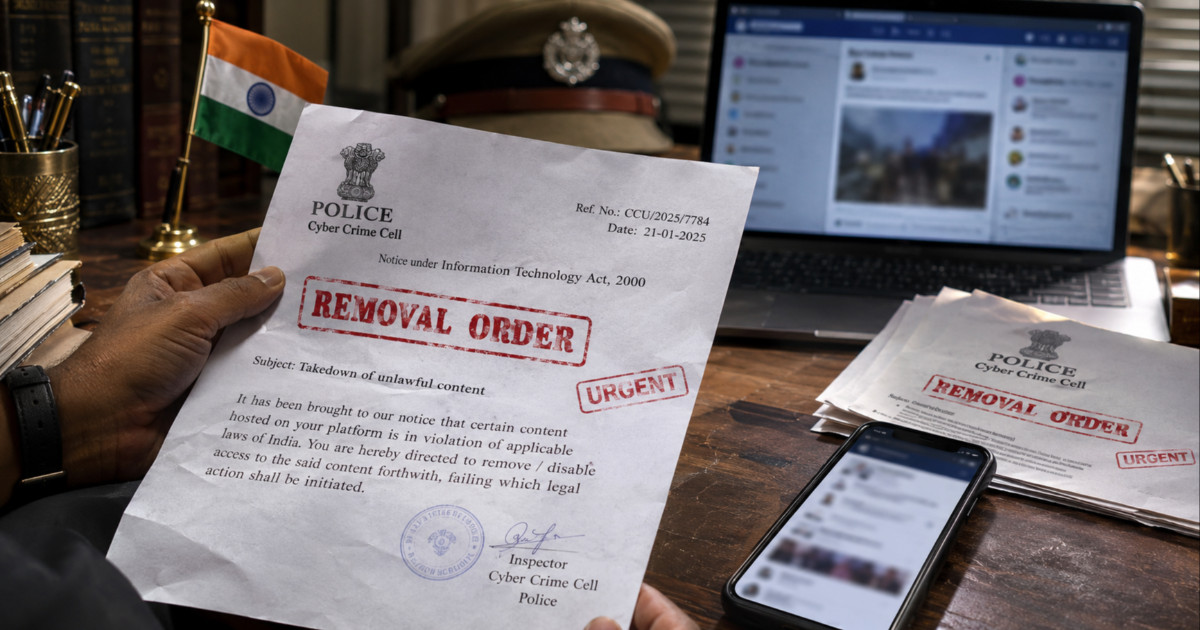
X told the Delhi High Court that forged police takedown requests targeted Internet Freedom Foundation and SFLC.in; X said it did not act, filed a police complaint, and warned the incident revealed weaknesses in systems used to restrict online expression.Summary
NEW DELHI — Social media platform X told the Delhi High Court on Friday, November 6, that purported police orders seeking the removal of accounts belonging to two prominent Indian digital-rights organizations were forged, exposing serious vulnerabilities in the systems used to restrict online expression.
The disputed notices targeted the Internet Freedom Foundation (IFF) and Software Freedom Law Centre, India (SFLC.in), organizations that monitor internet censorship and defend digital rights. X said an internal investigation established that an impostor had submitted the requests while impersonating the Delhi Police. The platform told the court that it had not acted on the notices and had filed a police complaint to identify the person responsible.
Court proceedings expose forged requests
The disclosure came during hearings before Justice Amit Mahajan on petitions filed by the two organizations challenging the purported takedown orders. X's lawyers informed the court that the notices were not genuine and assured it that the organizations' accounts would not be removed based on those requests.
Following the clarification, the Delhi High Court disposed of the petitions. The immediate threat to the accounts was lifted, but the proceedings raised wider questions about how an individual could impersonate law enforcement authorities and invoke legal procedures intended to compel social media platforms to remove content.
Digital-rights organizations targeted
The controversy began after the organizations received purported legal notices in the name of the Rashtriya Swayamsevak Sangh (RSS), a Hindu nationalist organization closely associated with India's ruling Bharatiya Janata Party. The notices demanded that the groups stop criticizing government content-blocking directives and documenting online restrictions.
Subsequent requests submitted through X's reporting system purported to come from Delhi Police officials. They accused the organizations of publishing defamatory material about the RSS and sought the removal of posts and entire accounts. One request identified 40 URLs, including 37 individual posts and three accounts; among them Geo Blocked in India, which documents content restrictions. The requests also targeted posts by other users who had commented on the controversy.
Three-hour deadline increases pressure
The purported police notices cited Section 356 of the Bharatiya Nyaya Sanhita, concerning criminal defamation, along with provisions of India's information technology laws and rules governing online intermediaries.
One notice invoked a three-hour deadline for platforms to act on certain lawful removal requests. Such compressed compliance periods can create pressure on technology companies to respond quickly, potentially leaving limited time to establish whether requests are authentic and legally valid.
The case illustrates a particular danger: a forged request that resembles an official law enforcement directive can exploit the appearance of legal authority. If platforms fail to verify the identity and powers of the sender, an impersonator could potentially use regulatory compliance systems to suppress lawful expression.
Questions over verification safeguards
Both organizations had questioned the authenticity and legality of the notices before X confirmed the impersonation. SFLC.in said attempts to verify the communications had failed, with messages sent to some email addresses listed in the notices returned as undeliverable. It had also sought clarification from the Delhi Police.
The organizations argued that the demands to remove entire accounts were disproportionate and threatened constitutional protections for free expression. Their petitions also questioned the use of criminal defamation provisions without appropriate judicial authorization.
Wider implications for online speech
The episode is particularly significant because the targeted organizations work to document government restrictions on digital expression. IFF provides legal and policy advocacy on internet freedom, while SFLC.in tracks online censorship and defends civil liberties. Geo Blocked in India publicizes information about content withheld from Indian users.
Removing their accounts could have restricted public access to information about censorship itself. The fact that the requests were forged does not eliminate that concern; instead, it demonstrates how systems designed to enforce legitimate restrictions may be vulnerable to abuse by individuals falsely claiming official authority.
The incident also highlights the importance of independent verification, transparent notification procedures and meaningful opportunities to challenge takedown requests before entire accounts are disabled.
India's government maintains that its online-content rules address unlawful or misleading material while respecting legitimate expression. Digital-rights advocates, however, have questioned whether the expanding powers and speed of takedown procedures provide sufficient safeguards against arbitrary censorship.
For journalists, civil society groups and organizations documenting censorship, the case provides a warning: threats to online expression may emerge not only from genuine government orders but also from fraudulent demands capable of exploiting the systems built to enforce them.
ATTRIBUTION: Written by JournalismPakistan staff, based on Reuters reporting published November 6, 2026, and court proceedings reported by LiveLaw and Bar & Bench on November 6, 2026. Additional background draws on the Internet Freedom Foundation's statements concerning the disputed notices.
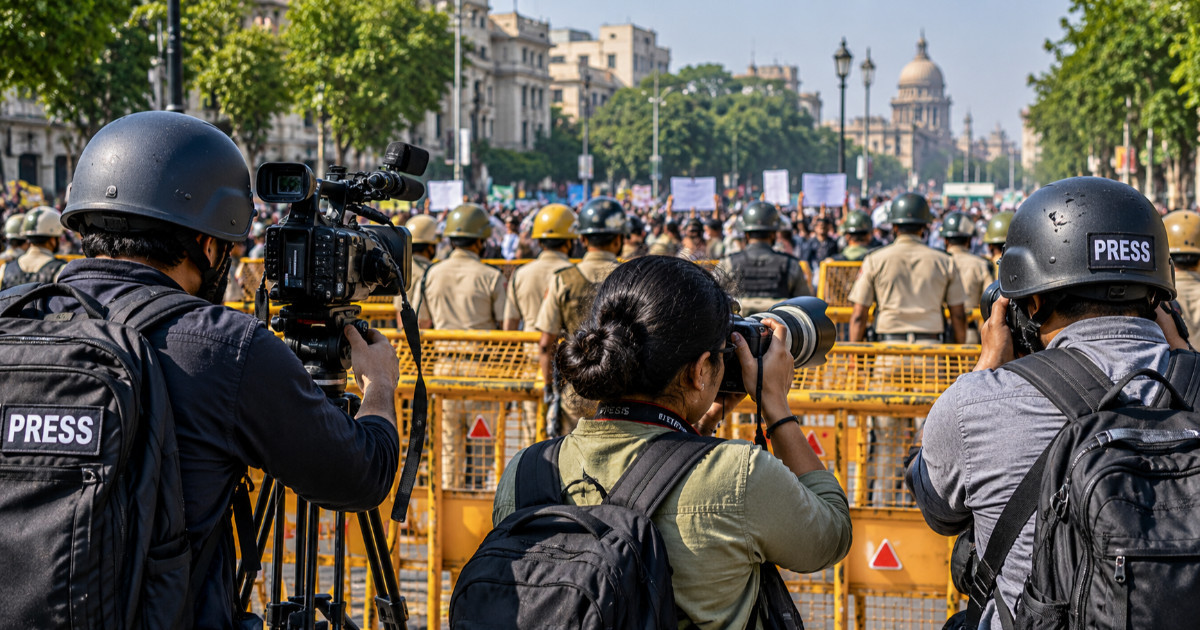
PHOTO: AI-generated; for illustrative purposes only.
Key Points
- X told the Delhi High Court that the takedown notices were forged and submitted by an impostor impersonating the Delhi Police.
- The disputed requests targeted Internet Freedom Foundation (IFF) and Software Freedom Law Centre, India (SFLC.in).
- X said it did not act on the notices and has filed a police complaint to identify the person responsible.
- Following the clarification, the Delhi High Court disposed of the petitions and the immediate threat to the accounts was lifted.
- The episode raised broader concerns about how individuals could exploit takedown mechanisms and impersonate law enforcement.
Key Questions & Answers
Were the takedown notices genuine?
No. X told the court its internal probe found the police takedown notices were forged and submitted by someone impersonating the Delhi Police.
Which organisations were targeted?
The disputed notices targeted the Internet Freedom Foundation (IFF) and the Software Freedom Law Centre, India (SFLC.in).
Did X remove the accounts or content?
X said it did not act on the forged notices and has filed a police complaint to identify the impostor.
What did the court decide?
After X clarified the notices were fake, the Delhi High Court disposed of the petitions and the immediate threat to the organizations' accounts ended.
Relevant Topics
Ask AI: Understand this story your way
AI EnabledDig deeper, ask anything — get instant context, background, and clarity.
Disclaimer: This feature is powered by AI and is intended to help readers explore and understand news stories more easily. While we strive for accuracy, AI-generated responses may occasionally be incomplete or reflect limitations in the underlying model. This feature does not represent the editorial views of JournalismPakistan. For our full, verified reporting, please refer to the original article.