
Asian media leaders raise alarm over laws and digital threats
JournalismPakistan.com | Published: 6 November 2026 | JP Asia Desk
Join our WhatsApp channel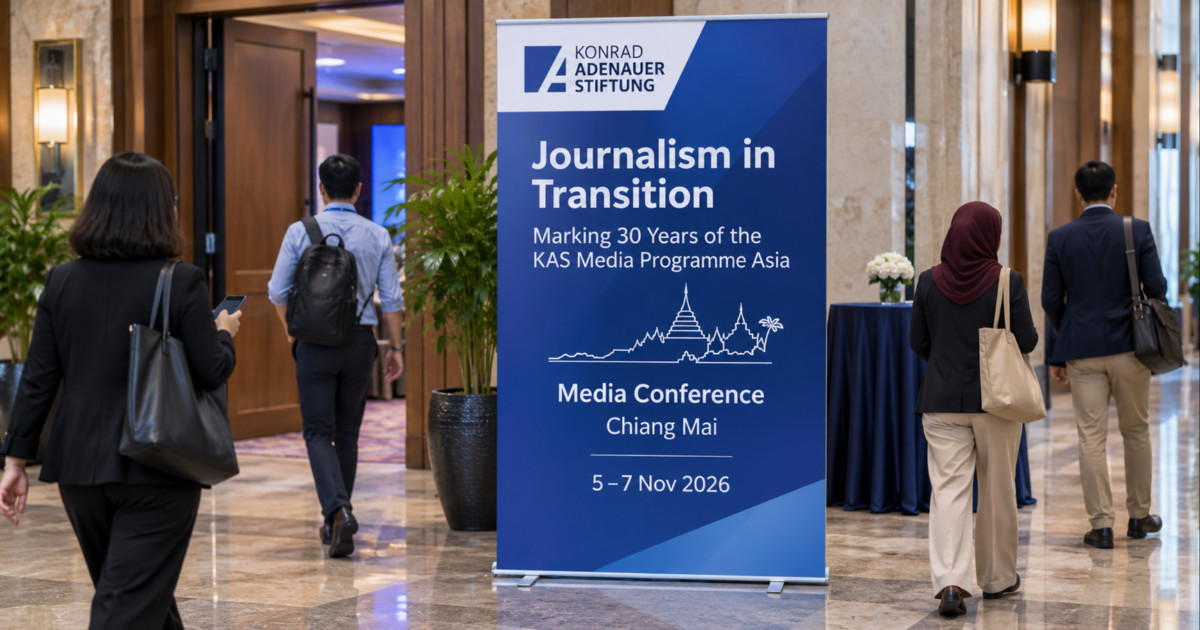
At KAS Media Programme Asia's 30th anniversary in Chiang Mai, over 100 journalists and media professionals discussed rising threats to press freedom across Asia; panelists highlighted criminal defamation laws, judicial harassment and online abuse constraining independent reporting.Summary
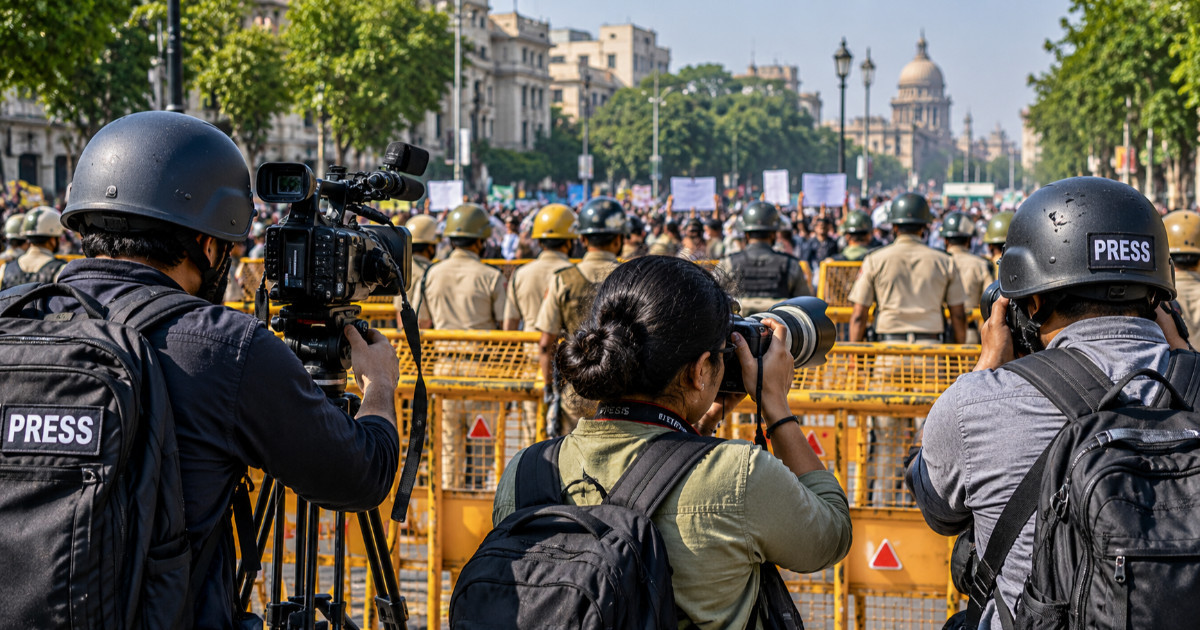
CHIANG MAI — Criminal defamation laws, online harassment and growing restrictions on independent reporting are placing journalists across Asia under increasing pressure, media leaders said at a regional conference in Thailand, highlighting the difficulties of maintaining independent newsrooms under restrictive political and legal conditions.
The concerns emerged during a panel titled "Voices under Pressure: Perspectives on Press Freedom Across Asia," held as part of the Konrad-Adenauer-Stiftung (KAS) Media Programme Asia's 30th anniversary conference in Chiang Mai from November 5 to 7, 2026. The gathering brought together more than 100 journalists, media professionals, alumni and partners to examine press freedom, changing technology and the future of journalism in the region.
Laws increasingly used against journalists
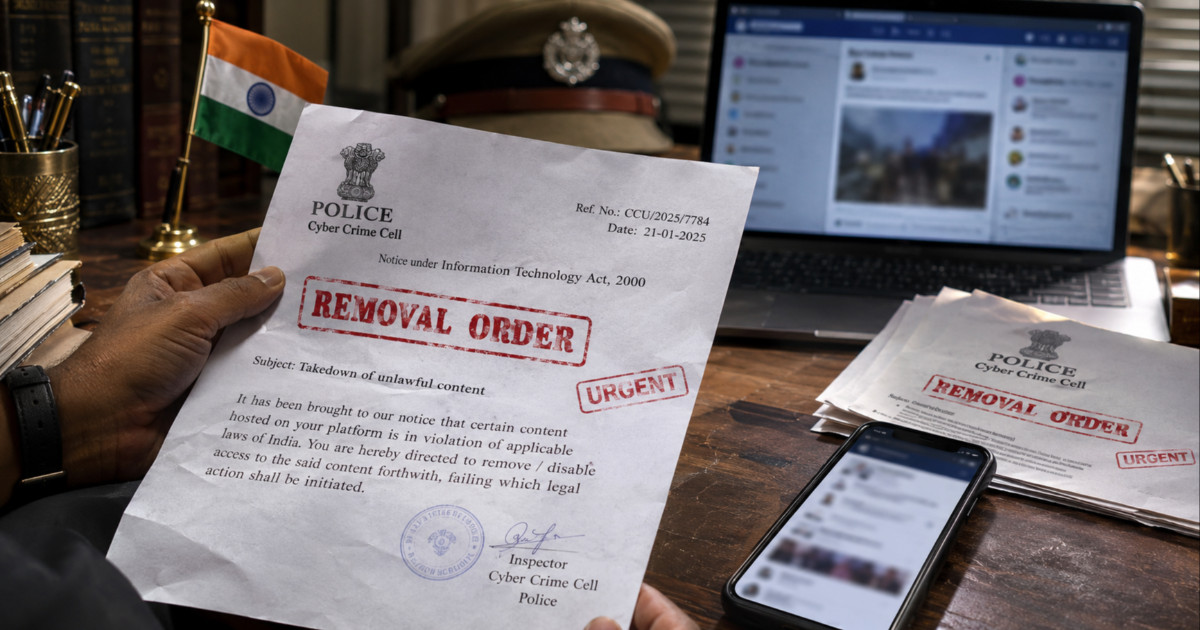
Chia-Wei Lin, development officer at the Asia-Pacific bureau of Reporters Without Borders (RSF), said findings from the organization's 2026 World Press Freedom Index showed growing concern about governments using legal mechanisms to restrict journalism. She identified judicial harassment, censorship, and criminal defamation provisions as serious obstacles to independent reporting.
According to Lin, the legal indicator in the 2026 index registered the sharpest decline among its five indicators. The finding points to the importance of examining not only whether journalists face physical threats but also whether legal proceedings and regulatory restrictions make independent reporting more difficult.
Bangladesh faces legal and financial pressures
Mahfuz Anam, publisher and editor-in-chief of Bangladesh's The Daily Star, raised concerns about cybersecurity legislation and its potential consequences for news organizations. He cited proposed legal measures that could extend restrictions originally intended for cyber protection to media platforms and journalistic activity.
Anam also identified political divisions within the media and declining advertising revenue as threats to journalism's independence. He argued that major technology platforms were absorbing advertising income previously available to news organizations, leaving publishers with fewer resources to support reporting. He called for greater solidarity among journalists, both within individual countries and across the region.
Afghan women journalists face severe restrictions
Zahra Nader, editor-in-chief of Zan Times, described the difficulties facing Afghan journalists, particularly women, under Taliban rule. She referred to the extensive closure of media outlets after the Taliban returned to power in August 2021 and the subsequent restrictions that have severely limited women's participation in journalism.
Nader said reporting on subjects such as women's rights and health had become particularly difficult because authorities could regard such coverage as criticism of the administration. Zan Times, which operates from exile in Canada, continues to work with women reporting from Afghanistan while placing particular emphasis on confidentiality and protecting their identities.
The situation illustrates a broader problem for independent Afghan journalism. Restrictions on women's employment and public participation affect not only the journalists themselves but also the public's access to information about issues directly affecting women. Exiled newsrooms can provide an alternative reporting platform, but protecting contributors inside Afghanistan remains essential.
Myanmar newsrooms struggle to verify information
Thu Thu Aung, editor-in-chief of Frontier Myanmar, discussed the operational challenges of running a newsroom outside Myanmar following the military coup in February 2021. Reporting from exile requires news organizations to maintain contact with sources inside the country while limiting the risks those relationships can create.
She explained that obtaining information was not necessarily the greatest difficulty. Establishing its accuracy required considerable time and resources, particularly when journalists could not safely visit locations or conduct normal reporting activities.
Thu Thu Aung also emphasized trauma-informed journalism when covering communities affected by armed conflict and political violence. Interviews with survivors of airstrikes or people who have lost family members require attention to psychological harm as well as physical safety, she said.
Her remarks highlighted a difficult balance for exile newsrooms. They must continue reporting on developments inside countries where independent journalism faces serious restrictions, while maintaining verification standards and protecting people who may face consequences for speaking to journalists.
Digital harassment adds another threat
Panu Wongcha-um, a Reuters senior correspondent based in Thailand, drew attention to the increasing use of digital platforms to discredit journalists and manipulate public discussion.
He cited the 2025 border dispute between Cambodia and Thailand as an example of an environment in which journalists encountered coordinated information operations, online harassment and attempts to damage their credibility.
Such campaigns create pressures beyond conventional censorship. Journalists may be able to publish their reporting but still face organized efforts to undermine public confidence in their work. For news organizations, responding to false claims while continuing independent coverage can place additional demands on editorial resources.
The discussion also demonstrated that the threats confronting Asian journalists differ considerably between countries. In some, the central concern is the use of legislation and judicial proceedings against reporters. In others, journalists face restrictions on employment, displacement, digital harassment, or the practical difficulties of reporting from abroad.
Yet the experiences described in Chiang Mai point to a common challenge: preserving independent reporting when journalists' ability to gather information, protect sources and maintain financially sustainable newsrooms is increasingly constrained.
The conference, titled "Journalism in Transition: Marking 30 Years of the KAS Media Programme Asia," also examines media technology, disinformation and other issues affecting journalism. The press freedom panel was moderated by Glenn van Zutphen, chief executive of VanMedia Group.
For Asian news organizations, the discussions underline the need to defend editorial independence while adapting to legal, political and technological pressures. Regional cooperation may help journalists share expertise and practical support, but the problems identified by participants also require attention to the laws, institutional practices and economic conditions under which individual newsrooms operate.
ATTRIBUTION: Prepared by JournalismPakistan staff, based on Asia News Network reporting published by The Star on November 6, 2026, and its November 5 reporting on the KAS Media Programme Asia conference.
PHOTO: AI-generated; for illustrative purposes only.
Key Points
- KAS Media Programme Asia held a conference in Chiang Mai marking its 30th anniversary with over 100 participants.
- Panel "Voices under Pressure" focused on threats to press freedom across Asia.
- RSF highlighted a marked decline in the legal indicator, citing judicial harassment and criminal defamation.
- Online harassment and growing censorship were identified as significant digital threats to journalists.
- Speakers warned that legal and regulatory pressures are making independent reporting increasingly difficult.
Key Questions & Answers
What was the conference about?
The KAS Media Programme Asia 30th anniversary conference in Chiang Mai gathered journalists to discuss press freedom, technology and the future of independent reporting in the region.
Who raised concerns about press freedom?
Media leaders and organisations including Reporters Without Borders spoke on panels, warning about legal tools and digital threats that limit journalism.
What legal threats were highlighted?
Panelists pointed to criminal defamation laws, judicial harassment and other legal restrictions being used against journalists.
What digital threats did participants note?
Online harassment, abuse and growing digital censorship were cited as major challenges that undermine journalists' work and safety.
Relevant Topics
Ask AI: Understand this story your way
AI EnabledDig deeper, ask anything — get instant context, background, and clarity.
Disclaimer: This feature is powered by AI and is intended to help readers explore and understand news stories more easily. While we strive for accuracy, AI-generated responses may occasionally be incomplete or reflect limitations in the underlying model. This feature does not represent the editorial views of JournalismPakistan. For our full, verified reporting, please refer to the original article.