
.png)
Bomb threats disrupt Irish broadcasters and newsrooms
JournalismPakistan.com | Published: 7 November 2026 | JP Global Monitoring
Join our WhatsApp channel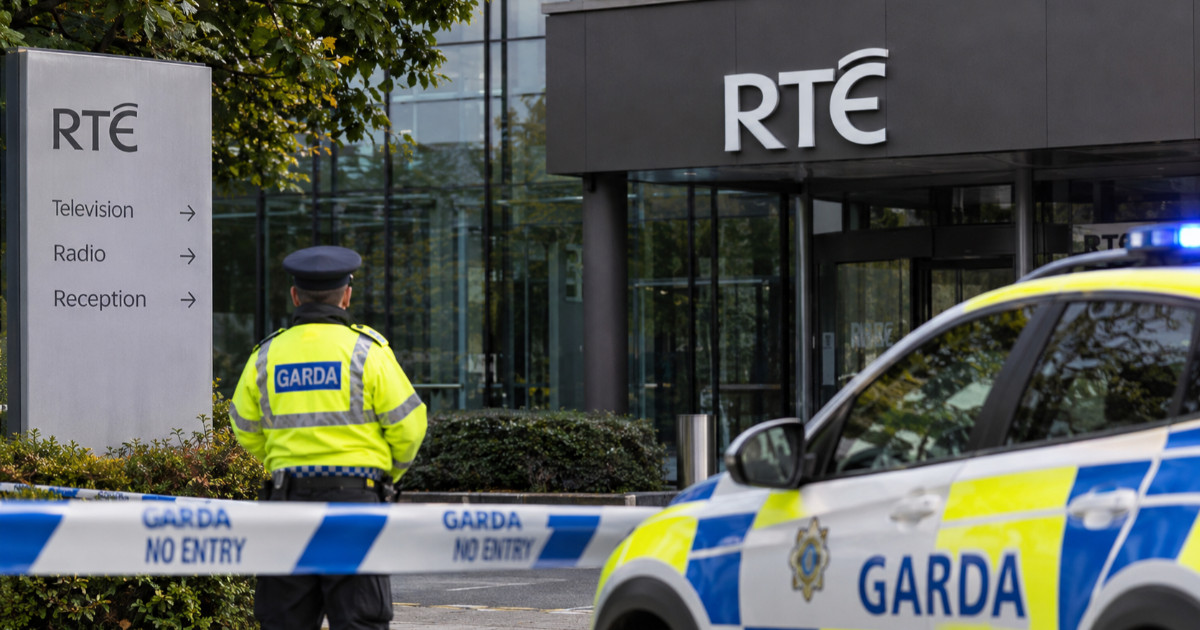
Bomb threats on November 6 prompted evacuations at RTÉ, the Irish Independent and Dublin radio stations Newstalk and Today FM, interrupting live broadcasts as An Garda Síochána searched premises. Officials are probing whether the incidents are linked.Summary
DUBLIN — Bomb threats sent to major Irish media organizations forced newsroom evacuations and interrupted radio broadcasts on November 6, prompting police searches and a government investigation into a possible coordinated campaign of disruption extending across Europe.
Ireland's national broadcaster RTÉ evacuated its Donnybrook headquarters after receiving a threatening email on Friday morning. The Irish Independent and the Dublin building housing commercial radio stations Newstalk and Today FM were also affected. Staff returned to the premises after security checks, while police declared RTÉ's campus safe around midday.
Broadcasts interrupted as staff evacuate
RTÉ temporarily replaced scheduled live programming with prerecorded material while officers from An Garda Síochána, Ireland's national police service, searched its buildings. The operation involved armed-response personnel and sniffer dogs. Radio 1 subsequently resumed live broadcasting from a mobile studio outside the headquarters, allowing the broadcaster to continue its programming without immediately reopening its main facilities.
Newstalk also interrupted its live schedule when staff evacuated Marconi House in Dublin. Presenter Claire Byrne's morning program was taken off air before employees received clearance to return. Meanwhile, the Irish Independent's offices on Talbot Street were evacuated for a short period. Virgin Media Television confirmed receiving a similar threatening email but said it followed established security procedures, remained on air and did not evacuate.
Police investigate possible European connection
The threatening email was circulated to publicly available addresses at media organizations in Ireland and Britain at approximately 8:33 a.m. It claimed that an explosive device had been placed in the recipients' buildings and purported to come from those responsible for earlier threats against European aviation. Authorities had not established the sender's identity or independently verified the claimed connection.
Irish police said they were aware of threats targeting media organizations in Ireland and elsewhere in Europe and were investigating the incidents. The Irish government described the warnings as serious and said police, military, cyber and aviation authorities were working with European counterparts to identify those responsible.
The threats followed a series of security alerts affecting European aviation. At least 27 flights were reportedly disrupted by similar warnings on November 5, including services operated by Aer Lingus and Ryanair. However, investigators had not established whether the aviation incidents and the threats against news organizations were carried out by the same individuals or group.
Prime Minister Micheál Martin said the authorities would pursue those responsible. He acknowledged that relatively simple methods could cause significant disruption to essential services and public confidence. The government suggested that the incidents might form part of a coordinated campaign, while stressing that responsibility had not been determined.
Threats expose media security vulnerabilities
RTÉ Director General Kevin Bakhurst said the broadcaster had prioritized employee safety when deciding to evacuate. He acknowledged the disruption but said contingency arrangements, which had recently been reviewed, allowed broadcasting to continue.
The incidents demonstrated how threats alone can interfere with news operations, even when no explosive device is discovered. The evacuation of broadcasting facilities interrupted live schedules, displaced editorial teams and required alternative transmission arrangements.
The simultaneous targeting of public-service broadcasting, commercial radio and newspaper offices also highlighted the operational risks facing different parts of the media industry. Although the organizations responded according to their own security procedures, the threats disrupted their ability to work normally and placed additional demands on emergency services.
For European news organizations, the episode raises questions about preparedness for coordinated security threats, the protection of journalists and newsroom staff, and the resilience of broadcasting infrastructure. Maintaining editorial services during an emergency has become particularly important as media organizations operate across increasingly interconnected physical and digital systems.
Irish authorities have not publicly identified the perpetrators or established a definitive connection between the media threats and earlier aviation incidents. The investigation remains focused on tracing the messages' source and determining whether the disruption was coordinated.
ATTRIBUTION: Based on RTÉ reporting published November 6, 2026, including statements from An Garda Síochána, the Irish government and affected broadcasters. Additional details are drawn from Reuters, The Journal and RadioToday, November 6, 2026.
PHOTO: AI-generated; for illustrative purposes only.
Key Points
- Bomb threats prompted evacuations at multiple major Irish media offices on November 6.
- RTÉ, the Irish Independent and Dublin radio stations including Newstalk and Today FM were affected.
- Live programming was temporarily replaced with prerecorded material or moved to mobile studios.
- An Garda Síochána conducted searches with armed-response units and sniffer dogs.
- Authorities are investigating whether the incidents are part of a coordinated campaign.
Key Questions & Answers
What happened on November 6?
Multiple bomb threats were received by major Irish media organizations, leading to evacuations and interrupted broadcasts while police searched the premises.
Which outlets were affected?
RTÉ, the Irish Independent and Dublin radio stations including Newstalk and Today FM were among those impacted.
Were any broadcasts disrupted?
Yes, live programming was temporarily replaced with prerecorded material or resumed from mobile studios during evacuations and searches.
What are authorities doing?
An Garda Síochána carried out searches with armed units and sniffer dogs, and officials are investigating whether the incidents are linked or coordinated.
Relevant Topics
Ask AI: Understand this story your way
AI EnabledDig deeper, ask anything — get instant context, background, and clarity.
Disclaimer: This feature is powered by AI and is intended to help readers explore and understand news stories more easily. While we strive for accuracy, AI-generated responses may occasionally be incomplete or reflect limitations in the underlying model. This feature does not represent the editorial views of JournalismPakistan. For our full, verified reporting, please refer to the original article.