.png)
USA Today suspends AI summaries after journalists' protest
JournalismPakistan.com | Published: 7 November 2026 | JP Global Monitoring
Join our WhatsApp channel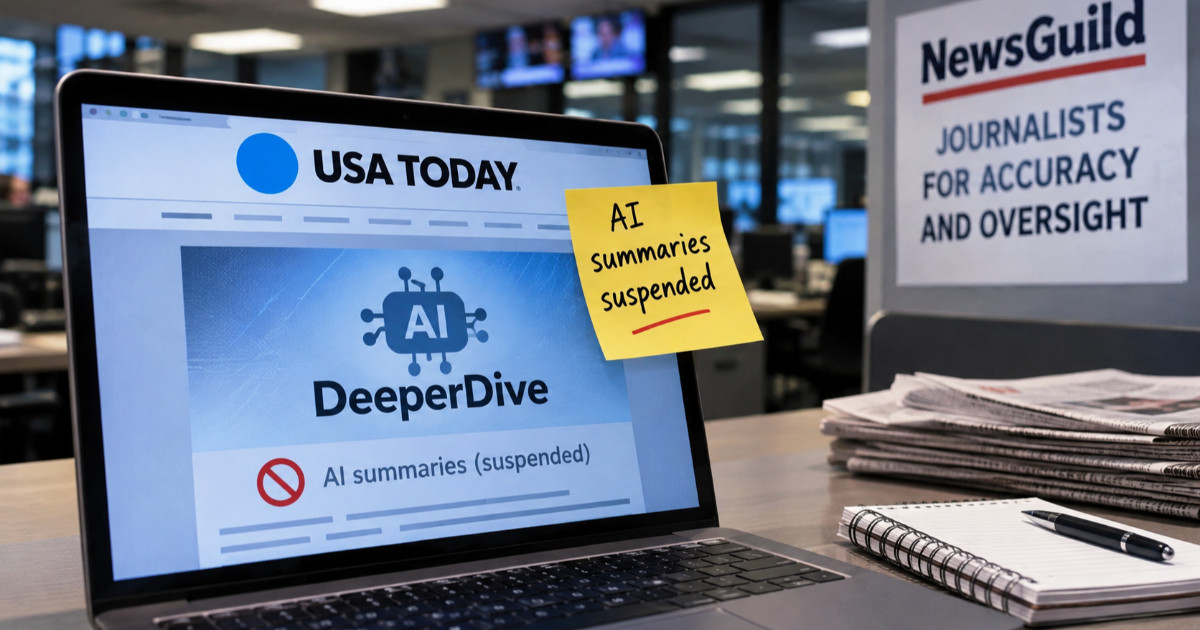
USA Today Co. suspended AI-generated DeeperDive summaries and limited the tool to a small group of beta users after unionized journalists at the Akron Beacon Journal and Kent Ravenna Record-Courier launched a byline protest, refusing to attach names to reporting that used DeeperDive amid concerns about factual errors and lack of required human review.Summary
AKRON, Ohio — USA Today Co. has reportedly suspended AI-generated news summaries and restricted access to its DeeperDive tool following a protest by journalists at two Ohio newspapers who refused to attach their names to reporting accompanied by the technology.
Axios reported on November 6, 2026, that the publisher had stopped DeeperDive's AI summaries and limited the tool to a small group of beta users. The development was disclosed by Bryce Buyakie, an Akron Beacon Journal reporter and spokesperson for the Northeast Ohio NewsGuild. The company did not respond to Axios' request for comment, leaving the precise scope and duration of the restrictions unconfirmed.
Journalists challenge AI-generated content
The reported change follows a 14-day byline protest launched on October 28 by unionized journalists at the Akron Beacon Journal and Kent Ravenna Record-Courier, both owned by USA Today Co. The journalists demanded that their names be removed from stories featuring DeeperDive, arguing that the tool could publish inaccurate information without adequate editorial supervision.
The NewsGuild said the journalists were particularly concerned that the technology violated the company's stated requirement for human review before computer-generated material appears online or in print. Their protest was scheduled to extend through the November 2026 general election period, when accuracy in political reporting carried particular importance.
Errors raise questions about editorial accountability
According to the union, DeeperDive had produced multiple factual errors, including an incident in October in which an AI-generated summary substituted a reporter's name for that of a murder suspect. The allegation illustrates the potential reputational and professional consequences when automated systems introduce incorrect information into published journalism.
The tool was designed to provide readers with summaries, key takeaways, and chatbot-style access to news coverage. While such features can make reporting easier to navigate, journalists argued that automated interpretations of their work should not appear under their names without the editorial safeguards applied to the original articles.
The NewsGuild maintained that its members were exercising a contractual right to withhold bylines over matters of journalistic integrity. The action was therefore different from a conventional labor strike involving a withdrawal of work. Reporters continued producing journalism while declining to associate their names with content they believed failed editorial standards.
The union's objections centered on responsibility for errors. A story may have been researched, checked, and edited by journalists, but an inaccurate AI summary placed alongside it can create misleading impressions about what those journalists actually reported.
Publisher's reported response leaves questions
The restriction of DeeperDive represents a significant development in the dispute because it indicates an operational change following the journalists' objections. However, the information comes from a union representative rather than a formal company announcement.
It remains unclear whether the publisher intends to restore the summaries after further testing, introduce additional human oversight, or permanently change how DeeperDive operates. The company has not publicly confirmed the full extent of the suspension in the reporting reviewed.
The distinction is important. Limiting a product to beta testing does not necessarily mean abandoning the technology. It may allow the publisher to examine its performance with a smaller audience while addressing concerns about accuracy and editorial responsibility.
AI tools and journalists' rights
The Ohio dispute highlights a growing editorial question for news organizations adopting artificial intelligence: who is accountable when technology alters the presentation of professionally reported information?
Traditional newsroom processes generally assign responsibility through reporting, editing, and publication decisions. AI-generated summaries complicate that arrangement because readers may encounter material produced after a journalist's original work has passed through those processes.
The implications extend beyond American newspapers. News publishers internationally are experimenting with automated summaries, translation, search, and audience-engagement tools. For smaller newsrooms, including those operating under financial pressure in Pakistan and elsewhere in Asia, such technology may offer operational advantages but also introduces questions about verification, editorial control and corrections.
The Ohio journalists' action demonstrates one way newsroom employees can challenge the deployment of technology they believe compromises professional standards. It also raises questions about whether journalists should have a formal role in approving AI systems that reproduce or interpret their work.
The central issue is not simply whether artificial intelligence belongs in journalism. It is whether publishers can demonstrate that automated content meets the same standards of accuracy and accountability expected of the journalists whose reporting makes those tools possible.
The reported restrictions on DeeperDive suggest that organized newsroom objections can influence how publishers deploy AI products. Whether that influence results in lasting editorial safeguards will depend on decisions USA Today Co. has yet to explain publicly.
ATTRIBUTION: Based on Axios reporting published November 6, 2026, including comments from Northeast Ohio NewsGuild spokesperson Bryce Buyakie, and The NewsGuild-CWA's statement issued October 28, 2026. Additional context from Communications Workers of America, November 5, 2026.
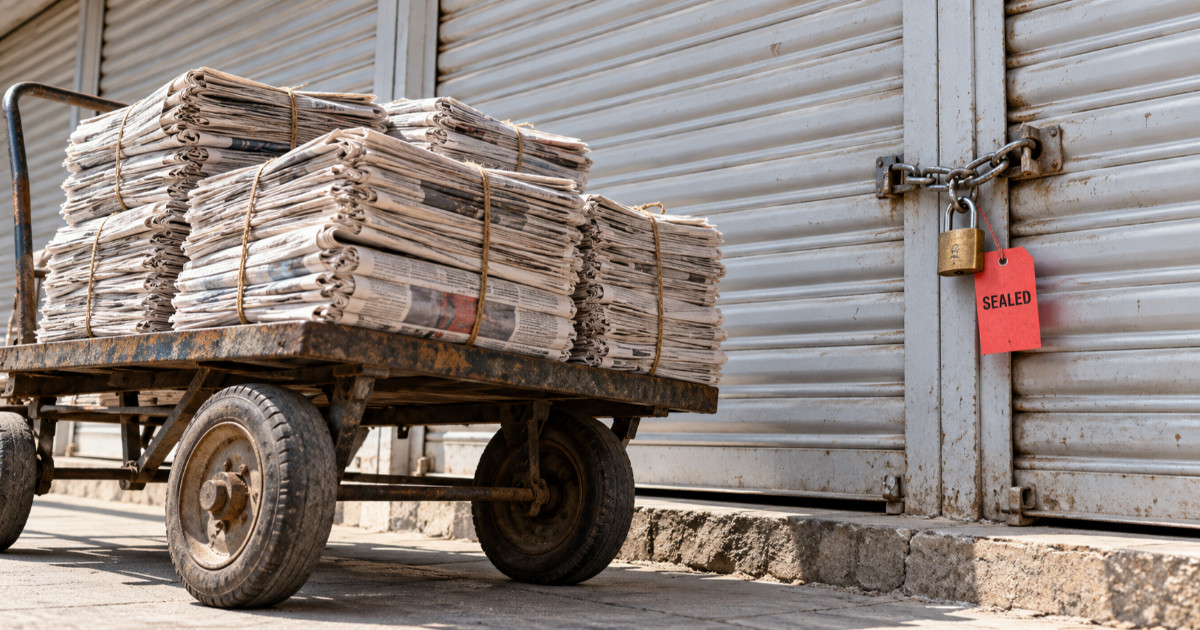
PHOTO: AI-generated; for illustrative purposes only.
Key Points
- USA Today Co. halted AI-generated DeeperDive summaries and restricted the tool to select beta users.
- Unionized reporters at the Akron Beacon Journal and Kent Ravenna Record-Courier staged a byline protest beginning Oct. 28.
- Journalists refused to attach their names to stories that used DeeperDive, citing multiple factual errors.
- The reporters said the tool violated the company policy requiring human review before publication.
- The action came ahead of the November 2026 election and the company did not immediately respond to Axios about scope or duration.
Key Questions & Answers
What action did USA Today Co. take?
The publisher suspended AI-generated DeeperDive summaries and limited the tool's access to a small group of beta users.
Why did journalists protest?
Unionized reporters refused to put their bylines on stories using DeeperDive, saying the tool produced factual errors and lacked required human review.
Which newsrooms were involved?
Journalists at the Akron Beacon Journal and the Kent Ravenna Record-Courier participated in the byline protest.
Is the suspension permanent?
The company did not provide details to Axios, so the exact scope and duration of the restrictions remain unconfirmed.
Ask AI: Understand this story your way
AI EnabledDig deeper, ask anything — get instant context, background, and clarity.
Disclaimer: This feature is powered by AI and is intended to help readers explore and understand news stories more easily. While we strive for accuracy, AI-generated responses may occasionally be incomplete or reflect limitations in the underlying model. This feature does not represent the editorial views of JournalismPakistan. For our full, verified reporting, please refer to the original article.