
Reuters Iraq bureau chief threatened, denounced over story
JournalismPakistan.com | Published: 11 April 2015
Join our WhatsApp channel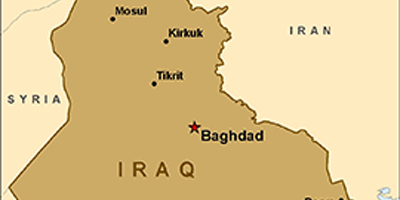
Ned Parker, the Baghdad bureau chief for Reuters, departed Iraq amid threats stemming from his report on human rights violations in Tikrit. The threats escalated after a Shi'ite paramilitary group's news channel targeted him and called for his expulsion.Summary
LONDON: The Baghdad bureau chief for Reuters has left Iraq after he was threatened on Facebook and denounced by a Shi'ite paramilitary group's satellite news channel in reaction to a Reuters report last week that detailed lynching and looting in the city of Tikrit.
The threats against journalist Ned Parker began on an Iraqi Facebook page run by a group that calls itself "the Hammer" and is believed by an Iraqi security source to be linked to armed Shi'ite groups. The April 5 post and subsequent comments demanded he be expelled from Iraq. One commenter said that killing Parker was "the best way to silence him, not kick him out."
Three days later, a news show on Al-Ahd, a television station owned by Iranian-backed armed group Asaib Ahl al-Haq, broadcast a segment on Parker that included a photo of him. The segment accused the reporter and Reuters of denigrating Iraq and its government-backed forces, and called on viewers to demand Parker be expelled.
The pressure followed an April 3 report by Parker and two colleagues detailing human rights abuses in Tikrit after government forces and Iranian-backed militias liberated the city from the Islamic State extremist group. Two Reuters journalists in the city witnessed the lynching of an Islamic State fighter by Iraqi federal police. The report also described widespread incidents of looting and arson in the city, which local politicians blamed on Iranian-backed militias.
A Reuters spokeswoman said the agency stood by the accuracy and fairness of its report. Facebook, acting on a request from Reuters, removed a series of threatening posts this week.
The Committee to Protect Journalists, a media advocacy group, says that at least 15 journalists have been killed in Iraq since the beginning of 2013. - Reuters
Key Points
- Ned Parker faced threats on Facebook connected to Shi'ite armed groups.
- His report revealed lynching and looting incidents in Tikrit.
- A Shi'ite media outlet accused Parker and Reuters of denigrating Iraq.
- Facebook removed threatening posts after a request from Reuters.
- At least 15 journalists have been killed in Iraq since 2013.
Relevant Topics
Ask AI: Understand this story your way
AI EnabledDig deeper, ask anything — get instant context, background, and clarity.
Disclaimer: This feature is powered by AI and is intended to help readers explore and understand news stories more easily. While we strive for accuracy, AI-generated responses may occasionally be incomplete or reflect limitations in the underlying model. This feature does not represent the editorial views of JournalismPakistan. For our full, verified reporting, please refer to the original article.