.png)
Reporting elections: media's big test
JournalismPakistan.com | Published: 8 October 2012 | Daud Malik
Join our WhatsApp channel
As general elections approach in Pakistan, the media faces significant scrutiny regarding its coverage. The increasing number of channels and platforms raises questions about objectivity and professionalism in reporting.Summary
ISLAMABAD: General elections are upon us, again for the third time this century in the times of private media dominating our lives. Clearly a break from the previous century when we would either have military men telling us how they planned to change everything for good or the squabbling elected governments sent packing before completing their constitutional terms.
The experiment of long military regimes and in between the civilian governments did produce its own tragic consequences like division of the country on ethnic and religious lines, with violence stalking the country in gruesome and fatal forms. But patterns seem to have changed.
We are almost resigned to the established democratic norm that the elected governments should complete their constitutional terms no matter how bitterly disappointed we are with their performance. One can cautiously claim that we are ready to see a political continuity suppressing the itch of calling in the saviors who over the last 10 years have been kept busy in harsh terrains, courtesy the war on terror.
In all this comes the media, a surging conundrum that is worrying us all with their outreach and how they affects – the state, the government, the social fabric and of course how they covers the general elections.
Though the media are on the defensive these days, trying to fend off allegations that they have become part of the mad scramble for power and perks, their coverage of the elections will be closely monitored. Just look at the amazing possibilities available to the political parties for their election campaigns.
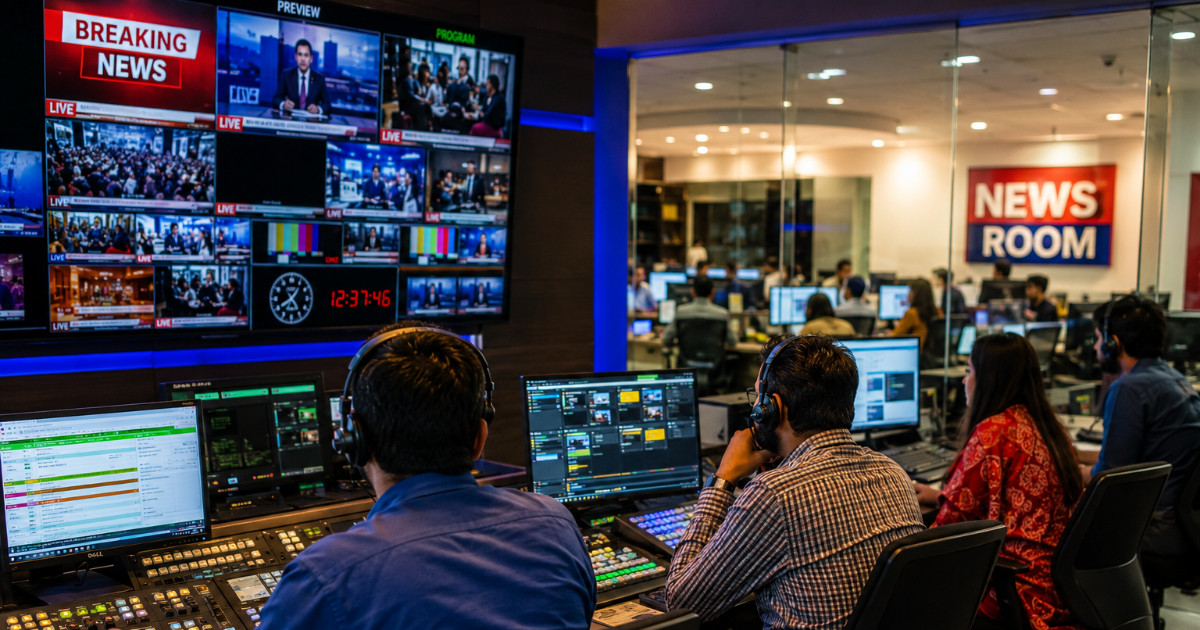
More than 70 TV channels (though not all of them are news channels, still they wouldn’t mind to have some of the windfall of the electoral expenses), more than 100 radio stations, English, Urdu and vernacular newspapers, magazines and of course the so-called social media and the texting already used successfully by some of political parties.
Moreover, we should not forget the Pakistan Television and Pakistan Broadcasting Corporation (Radio Pakistan). And from the good old days we have posters, banners, billboards and wall chalking. It’s a whole new ballgame. It opens new and quicker ways for the political parties to reach their voters. But it is also a huge test for the media managers. How the airtime will be divided?
With too many political parties in the fray, with too many issues – local, provincial, national and international – what will be the yardstick of coverage? The media houses and anchors may claim objectivity and professionalism, there have been occasions when their coverage seemed biased and one-sided.
Will the decision-makers at the TV channels be professionals – editors – who understand the political and electoral context or the owners who care more for their interests and share in power corridors than the ‘standards’ of fair coverage for the main players. By the look of things it is safe to say that the owners would have the final say.
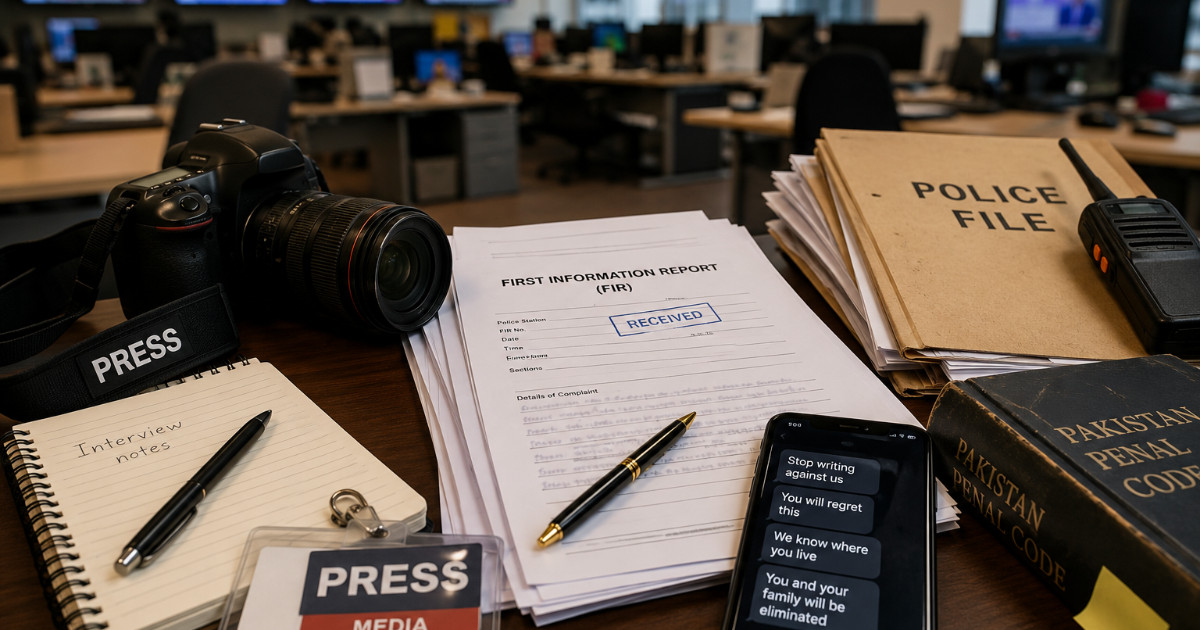
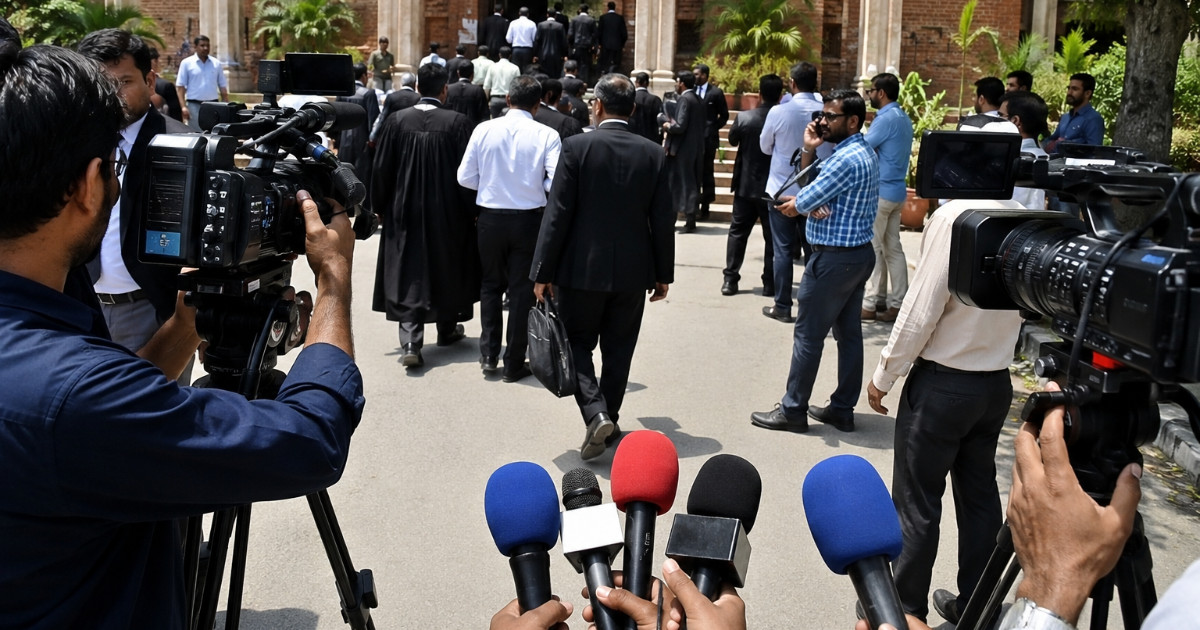
Though anchors will be in great demand for their ability to push and maneuver political agendas, one wonders if there will be any measures to protect the foot soldiers – reporters, who will be out there in the field 24/7 – from violence to fears of terrorists trying to disrupt electoral process in certain parts of the country.
There have been efforts and calls by the civil society though for “balanced” coverage of the elections, with guidelines prepared for reporters on how to cover the polls, all that is largely forgotten. Only one thing: to be the first to report the “breaking” news dominates. It is good to have this competitive spirit but sometimes it blinds us from seeing the “bigger” picture.
Key Points
- General elections are scheduled in Pakistan for the third time this century.
- The media landscape has vastly changed with over 70 TV channels and 100 radio stations.
- Concerns exist about media bias and professional standards in election coverage.
- Civil society has called for fair and balanced reporting, though many guidelines are often ignored.
- Reporters face challenges including violence and disruption from terrorist activities during the electoral process.
Relevant Topics
Ask AI: Understand this story your way
AI EnabledDig deeper, ask anything — get instant context, background, and clarity.
Disclaimer: This feature is powered by AI and is intended to help readers explore and understand news stories more easily. While we strive for accuracy, AI-generated responses may occasionally be incomplete or reflect limitations in the underlying model. This feature does not represent the editorial views of JournalismPakistan. For our full, verified reporting, please refer to the original article.