
Indonesia's new criminal code raises free speech and rights concerns
JournalismPakistan.com | Published: 6 January 2026 | JP Asia Desk
Join our WhatsApp channel
Indonesia's updated criminal code took effect in early January, drawing criticism from rights groups and media advocates over free speech, protest restrictions, and broad legal provisions.Summary
JAKARTA — Indonesia’s updated national criminal code took effect in early January after a three‑year transition period following its passage by parliament in 2022. The new code, known by its Indonesian acronym KUHP, replaces laws dating back to Dutch colonial rule and introduces a wide range of legal changes, including provisions that criminalise certain speech and public actions that rights groups say could chill dissent and press freedom.
Some of the most contentious aspects of the new criminal code relate to provisions on insulting state leaders and institutions, defamation, and rules affecting public assemblies. Under the updated KUHP, complaint‑based offences such as insults against the president, vice president, and specified state bodies can only proceed if formal complaints are filed by the affected office holders.
Government defends the new criminal code
Government defenders say the code reflects Indonesia’s legal and cultural norms and that it does not intend to curb freedom of expression or the right to protest. Law Minister Supratman Andi Agtas and other officials have emphasised that broad public participation guided the drafting process and that the law includes safeguards to distinguish legitimate criticism from punishable insults.
Critics such as civil society advocates and media freedom groups express concern that the code’s vaguely worded provisions and enhanced penalties for speech offences could be misapplied by authorities. Provisions extending criminal sanctions for defamation and speech that harms the reputation or dignity of leaders have drawn particular attention, with legal observers warning of potential subjective enforcement.
Vague language and enhanced penalties spark rights concerns
In addition to speech issues, sections of the code address requirements for public demonstrations, including mandates to notify authorities before street protests. Rights advocates argue that such provisions, despite government assurances, risk a chilling effect on public assembly and political expression.
Beyond free speech concerns, the criminal code also updates other areas of law, such as definitions of moral offences and the incorporation of elements of restorative justice, while efforts to align legal standards with contemporary values remain debated among lawmakers and advocacy groups. The law’s implementation marks a significant legal shift for Indonesia’s justice system, and its influence on civil liberties will continue to be closely watched.
ATTRIBUTION: Reporting based on government statements and rights group reactions published by credible sources.
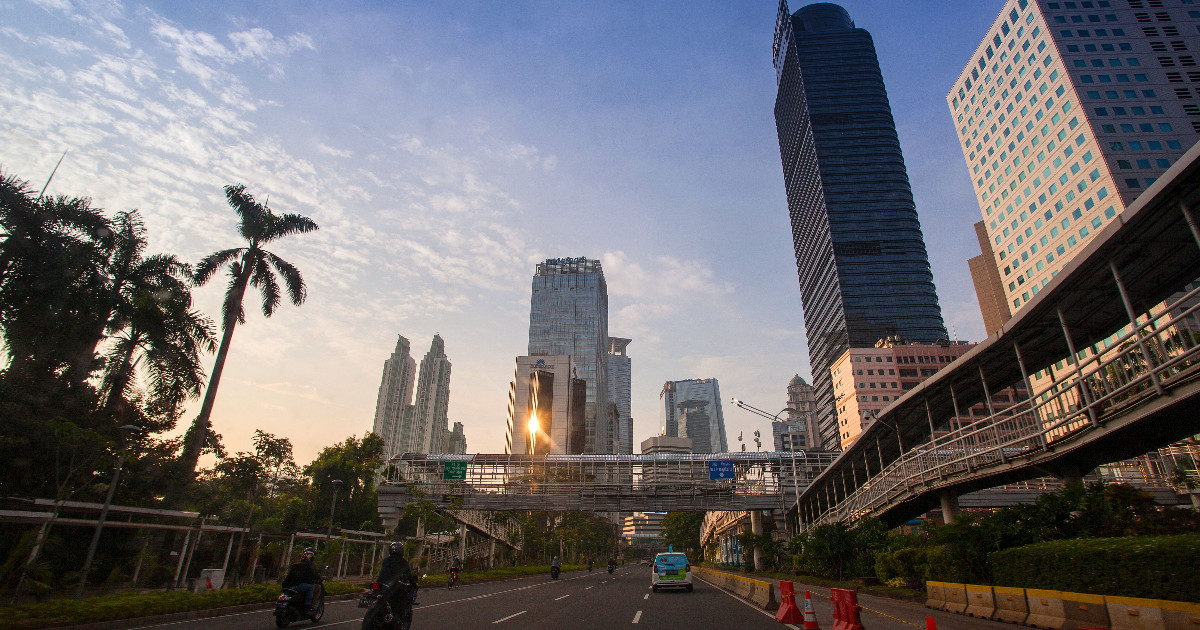
PHOTO: By Laurentiu from Pixabay
Key Points
- Indonesia’s updated criminal code took effect after a long transition period
- New provisions on speech, defamation, and protest have drawn rights concerns
- The government says the law respects free expression and public involvement in drafting
- Critics warn vague language may chill dissent and media freedom
- Complaint‑based offence mechanism limits who can bring insult charges
Ask AI: Understand this story your way
AI EnabledDig deeper, ask anything — get instant context, background, and clarity.
Disclaimer: This feature is powered by AI and is intended to help readers explore and understand news stories more easily. While we strive for accuracy, AI-generated responses may occasionally be incomplete or reflect limitations in the underlying model. This feature does not represent the editorial views of JournalismPakistan. For our full, verified reporting, please refer to the original article.