.png)
Radio journalist beaten by Afghan politician's bodyguards
JournalismPakistan.com | Published: 30 January 2017
Join our WhatsApp channel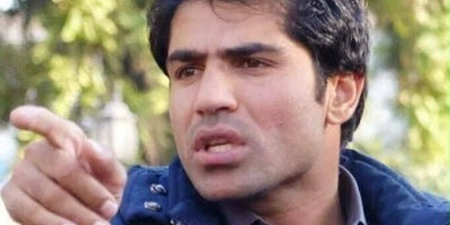
Zabihullah Ghazi, a journalist for Voice of America, was assaulted by bodyguards in Nangarhar. The incident has raised serious concerns about press freedom in Afghanistan.Summary
The International Federation of Journalists (IFJ) and its affiliate the Afghan Independent Journalists Association (AIJA) have strongly condemned the attack on a radio journalist in Nangarhar province, eastern Afghanistan on January 26. The IFJ has demanded immediate arrest and punishment to the attackers.
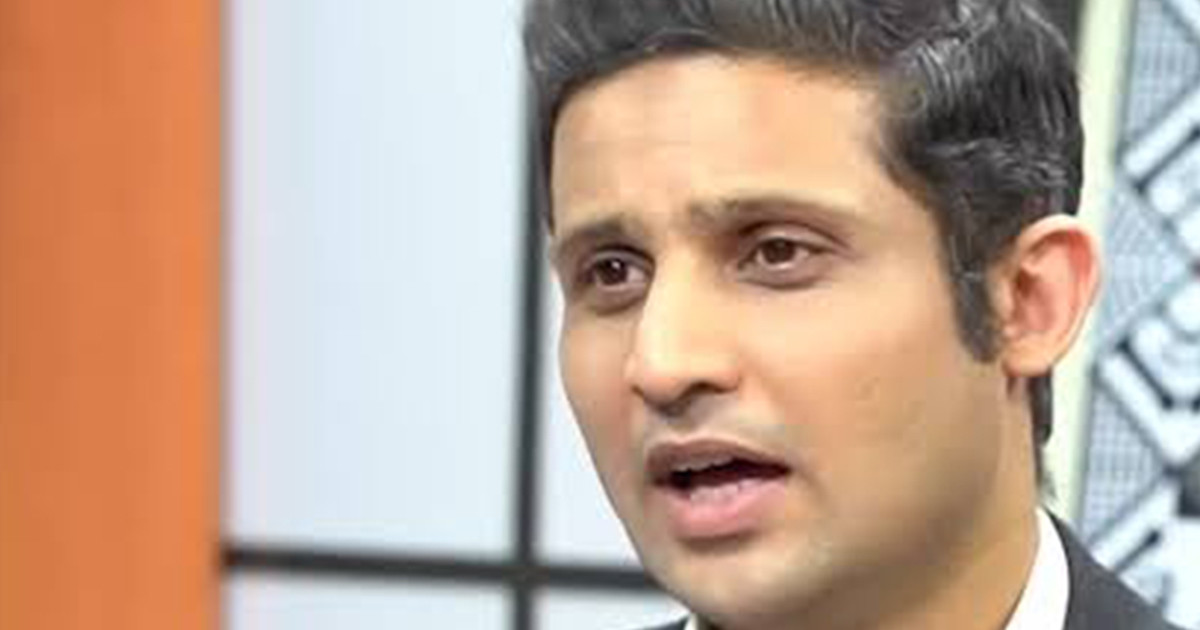
Zabihullah Ghazi, a correspondent of Voice of America radio in Nangarhar province was beaten by the bodyguards of former Mayor of Jalalabad Lal Agha Kakar, who also vandalized his car. The incident occurred when Ghazi, on his way to Jalalabad, tried to film the armed bodyguards beating people in a traffic jam. The Mayor of Nangarhar, Golab Mangal, assured AIJA of an investigation into the incident and punishment to the perpetrators according to law.
The AIJA said: “This is not the first case; there have been many other incidents of press freedom violations by local authorities which has not been followed up by government of Afghanistan. This shows lack of strong will in government in order to prevent violence against journalists in country, which has been a concern for the AIJA.”
“The IFJ condemns the attack on Voice of America radio journalist Zabihullah Ghazi in Nangarhar province in Afghanistan and urges the authorities to investigate the incident to punish those responsible. An attack on journalist should not be ignored as it has a serious implication on freedom of the press.” - IFJ media release/Image: AIJA
Key Points
- Zabihullah Ghazi attacked by bodyguards in Nangarhar province.
- Former Mayor's bodyguards assaulted the journalist and vandalized his car.
- IFJ demands justice and immediate arrests of attackers.
- Local authorities have a history of press freedom violations.
- The Mayor of Nangarhar pledges investigation into the incident.
Relevant Topics
Ask AI: Understand this story your way
AI EnabledDig deeper, ask anything — get instant context, background, and clarity.
Disclaimer: This feature is powered by AI and is intended to help readers explore and understand news stories more easily. While we strive for accuracy, AI-generated responses may occasionally be incomplete or reflect limitations in the underlying model. This feature does not represent the editorial views of JournalismPakistan. For our full, verified reporting, please refer to the original article.