.png)
Philippines drafts social media ban for under-14s
JournalismPakistan.com | Published: 25 August 2026 | JP Asia Desk
Join our WhatsApp channel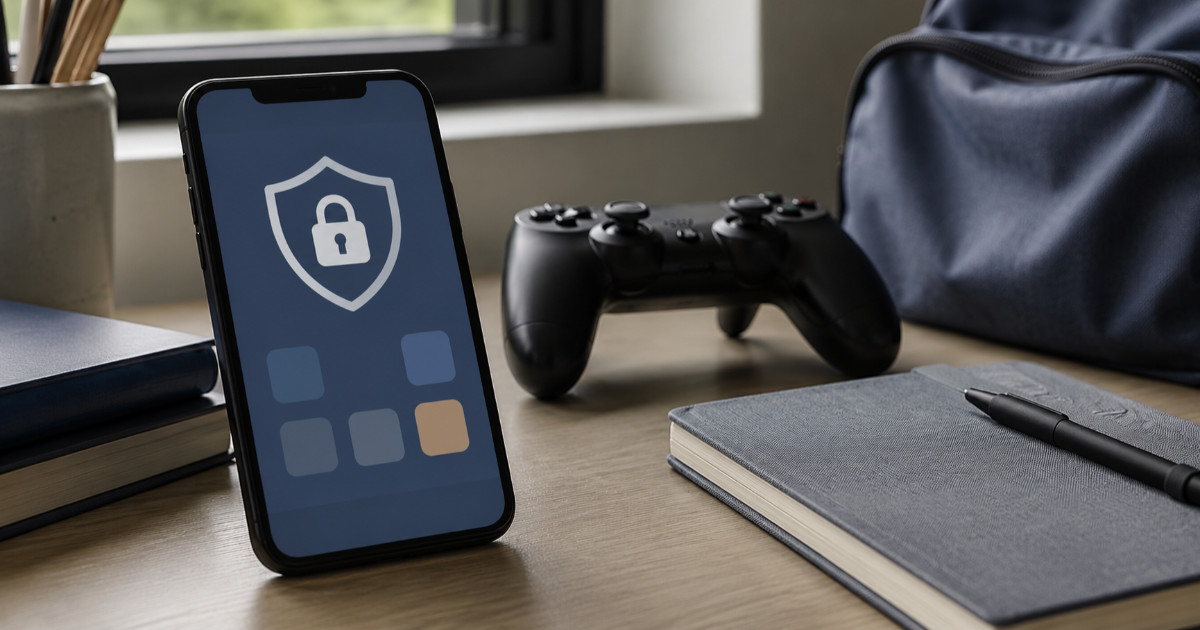
The Philippine House is drafting rules to bar children 13 and under from social media and online gaming, limit certain features for 14-17-year-olds, and require platforms to set up local offices or face DICT blocking. Hearings are due by the second week of September.Summary
MANILA — The Philippine House of Representatives is drafting measures that would prevent children aged 13 and younger from using social media and online gaming platforms, while subjecting users aged 14 to 17 to additional restrictions.
Pasig City Representative Roman Romulo, chair of the House Committee on Basic Education and Culture, said lawmakers were considering limits on specific platform features for older teenagers. The measures remain under deliberation, and the precise restrictions, age-verification requirements, and implementation timetable have not been finalized.
Platforms could face blocking
Romulo said social media and online gaming companies seeking to serve users in the Philippines would be required to establish a local entity or office. Platforms without a Philippine presence could be blocked by the Department of Information and Communications Technology, or DICT.
Lawmakers are also considering creating a classification board for online games to monitor which games are made available to younger users. Romulo said cooperation from parents would be essential because legislation alone would not prevent children from circumventing age restrictions. The House Committee on the Welfare of Children aims to complete hearings on the proposals by the second week of September.
Different age limits remain under discussion
The emerging committee framework sits alongside House Bill No. 9965, the proposed Children's Social Media Safety Act, filed on June 29 by House Speaker Faustino Dy III and Majority Leader Ferdinand Alexander Marcos. That bill uses slightly different age categories: children below 13 would be prohibited from maintaining social media accounts, while those aged 13 to 17 could obtain access with verifiable parental or guardian consent and active supervision.
House Bill No. 9965 would also require platforms to introduce effective age-verification systems, disable prohibited accounts, prevent repeated attempts to create underage accounts, and give parents tools to manage privacy, interactions, and screen time. It proposes default safety settings for child accounts and greater oversight of algorithms that recommend content. Repeated violations could attract fines ranging from 5 million pesos to 50 million pesos and, in serious cases, restrictions on a platform's operations.
School attack accelerates debate
Calls for stronger controls intensified after the August 18 shooting at the high school campus of Ateneo de Zamboanga University. Authorities said a student used a body-worn camera to livestream parts of the attack, in which another student was killed before the shooter died by suicide. Two other people were wounded.
Police were still investigating the motive, examining the student's electronic devices, and determining how he obtained firearms belonging to his father. Authorities had not established that social media or online gaming caused the attack. The incident nevertheless intensified an existing debate over the rapid circulation of violent footage, young people's exposure to harmful material, and the responsibilities of technology companies.
Competing proposals in Congress
A separate proposal introduced by Senate President Sherwin Gatchalian would set a higher minimum age. Senate Bill No. 2066, or the proposed Social Media Safety for Children Act, seeks to prevent children under 16 from registering, accessing, or maintaining social media accounts. It would require age and identity verification, regular removal of underage accounts, parental controls, and changes to features designed to encourage prolonged or compulsive use.
The different thresholds mean the House and Senate would have to reconcile their approaches before legislation could become law. Lawmakers must also decide which services qualify as social media, whether messaging and educational services would be exempt, how online games would be classified, and how age checks could be conducted without collecting excessive personal information.
The Philippines is considering the measures amid a broader regional shift toward age-based access controls. Australia has required designated platforms since December 10, 2025, to take reasonable steps to prevent users under 16 from holding accounts, although standalone online gaming services are generally excluded. Malaysia began enforcing an under-16 restriction in June 2026, supported by mandatory age verification.
The Philippine proposals would go further than some overseas models by expressly covering online gaming platforms. Their practical effect, however, will depend on the final age threshold, the reliability and privacy safeguards of verification systems, the scope of platform liability, and the government's ability to enforce compliance against companies operating from outside the country.
ATTRIBUTION: Based on Roman Romulo's August 23, 2026 interview with Super Radyo dzBB, as reported by GMA News. Additional context is based on Philippine House documents and Reuters reports published on August 18 and 19, 2026.
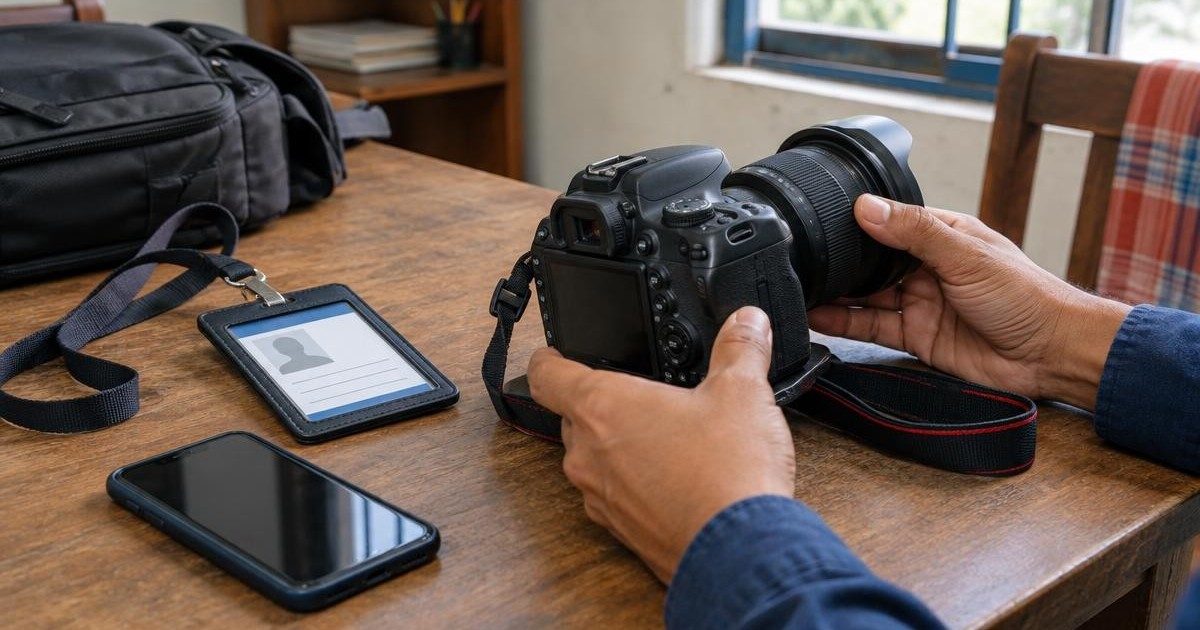
PHOTO: AI-generated; for illustrative purposes only.
Key Points
- Lawmakers seek to ban social media and online gaming access for children aged 13 and under.
- Users aged 14-17 would face additional feature limits and restrictions under the draft measures.
- Platforms serving the Philippines may be required to establish local entities or offices, or face DICT blocking.
- Proposals include creating a game classification board to control which games are available to younger users.
- The House aims to complete committee hearings by the second week of September and stresses parental cooperation.
Key Questions & Answers
What age group would be banned from social media and online gaming?
The draft measures seek to prohibit children aged 13 and under from accessing social media and online gaming platforms.
What restrictions would apply to 14-17-year-olds?
Users aged 14 to 17 would be subject to additional limits, including possible feature restrictions, though exact rules remain under deliberation.
What happens to platforms that do not comply?
Platforms without a Philippine presence could be blocked by the Department of Information and Communications Technology unless they establish a local entity or office.
When will lawmakers finalize the proposals?
The House Committee aims to complete hearings by the second week of September, but precise restrictions and implementation details are not yet finalized.
Relevant Topics
Ask AI: Understand this story your way
AI EnabledDig deeper, ask anything — get instant context, background, and clarity.
Disclaimer: This feature is powered by AI and is intended to help readers explore and understand news stories more easily. While we strive for accuracy, AI-generated responses may occasionally be incomplete or reflect limitations in the underlying model. This feature does not represent the editorial views of JournalismPakistan. For our full, verified reporting, please refer to the original article.