
Pentagon blocks press photographers from Iran war briefings
JournalismPakistan.com | Published: 12 March 2026 | JP Global Monitoring
Join our WhatsApp channel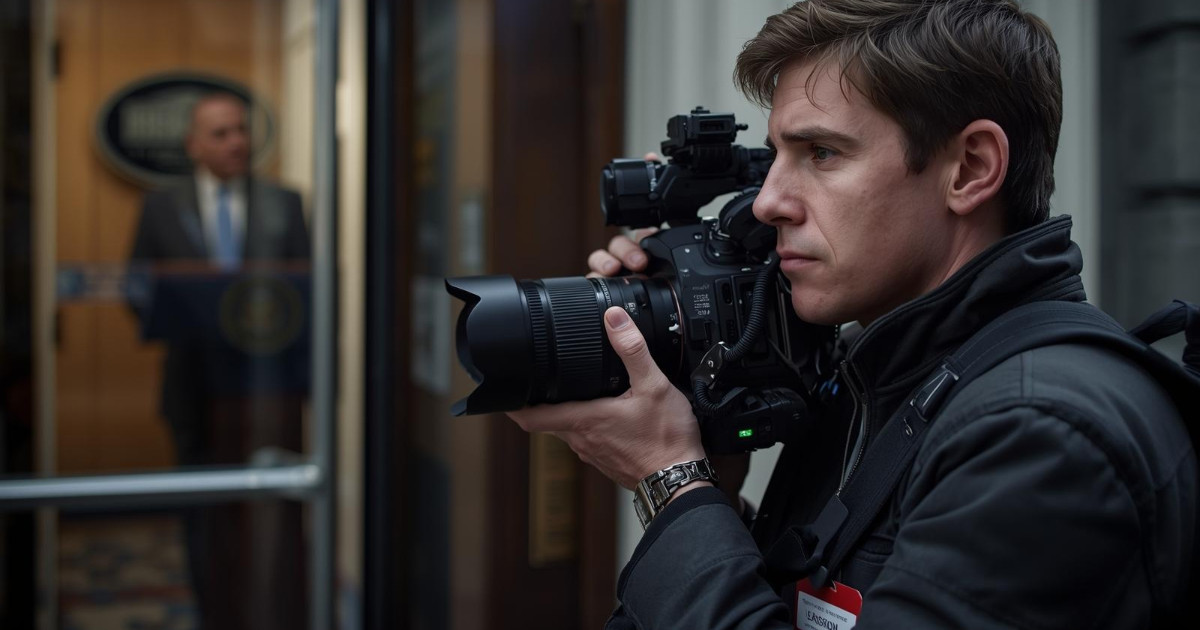
The Pentagon barred outside press photographers from briefings on U.S. military actions involving Iran after aides to Defense Secretary Pete Hegseth objected to photos of him; only Pentagon staff photographers attended, drawing criticism over transparency.Summary
WASHINGTON — The Pentagon has barred press photographers from recent briefings on the ongoing U.S. military actions involving Iran, diverging sharply from long‑standing press access practices and prompting concern among media freedom advocates.
According to a March 11 report by The Washington Post, the decision came after staff for Defense Secretary Pete Hegseth expressed displeasure over photographs taken of him at a March 2 briefing that were widely published by major news agencies.
The photographers excluded included representatives from The Associated Press, Reuters, and Getty Images, who had covered the March 2 session, the secretary’s first briefing from the Pentagon podium in months, alongside Joint Chiefs of Staff Chairman Gen. Dan Caine. Sources familiar with the matter told The Post that Hegseth’s aides found the published images “unflattering,” and subsequently, only Pentagon staff photographers were permitted at the March 4 and March 10 briefings.
Press access reshaped under new policy
The decision reflects a broader shift in media access at the Pentagon under Hegseth’s leadership, coming after most mainstream news organizations relinquished Pentagon press badges in late 2025 rather than accept restrictive reporting rules. Those outlets were largely replaced by a new press corps that agreed to the Pentagon’s terms, a development that critics say has already weakened independent reporting on defense matters.
Critics decry transparency setback
Many press freedom advocates have condemned the exclusion of photographers. The National Press Club called the move “deeply troubling,” warning it undermines transparency at a time of significant military engagement and deprives the public of independent visual documentation of government actions.
Pentagon disputes narrative
Pentagon press secretary Kingsley Wilson has characterized the change as a logistical decision tied to space limitations and credentialing, asserting that photographs from the briefings are made available online for public and press use. Wilson suggested that outlets seeking full access should pursue Pentagon press credentials. The department has not publicly acknowledged that dissatisfaction with published photos was a motivating factor.
Legal challenges and implications
The shift in access comes as media organizations, including The New York Times, continue legal challenges against Pentagon policies that restrict press movement and questioning. Legal scrutiny is underway over whether such restrictions violate press freedom principles central to democratic accountability.
WHY THIS MATTERS: For Pakistani journalists and media outlets, this development highlights the vital importance of securing unfettered access to government information and the risks posed by access restrictions, especially during conflicts. It underscores global trends in press freedom pressures and offers a cautionary example for media professionals advocating for transparent reporting frameworks in Pakistan’s own defense and political reporting environments.
ATTRIBUTION: Based on reporting by The Washington Post (March 11, 2026) and AP News (March 11, 2026).
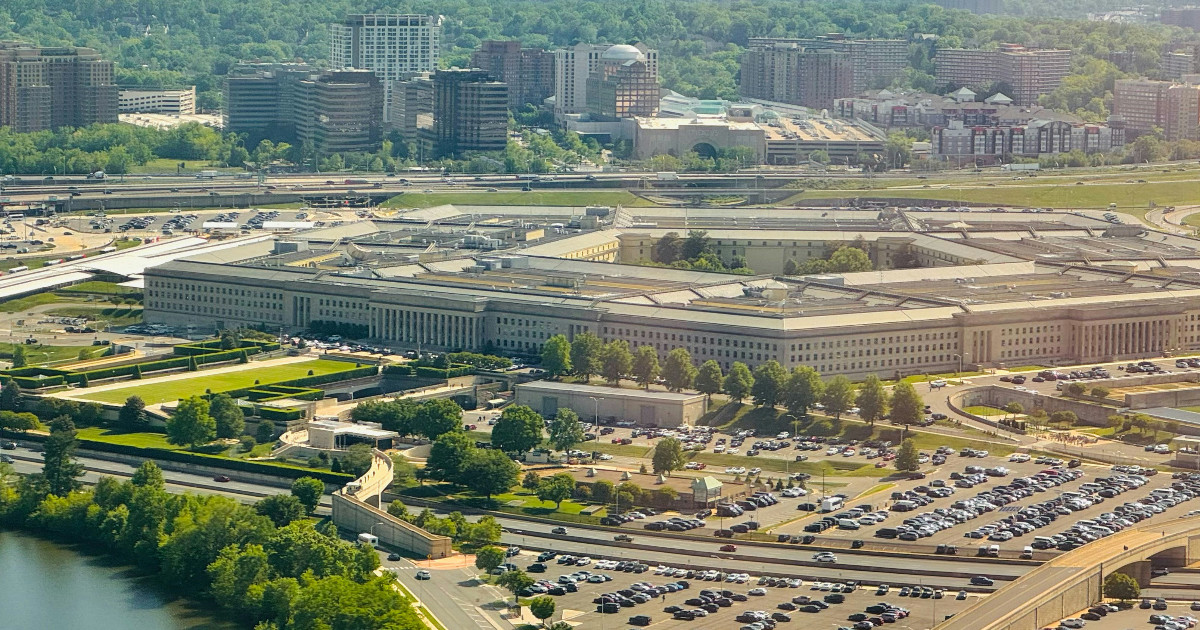
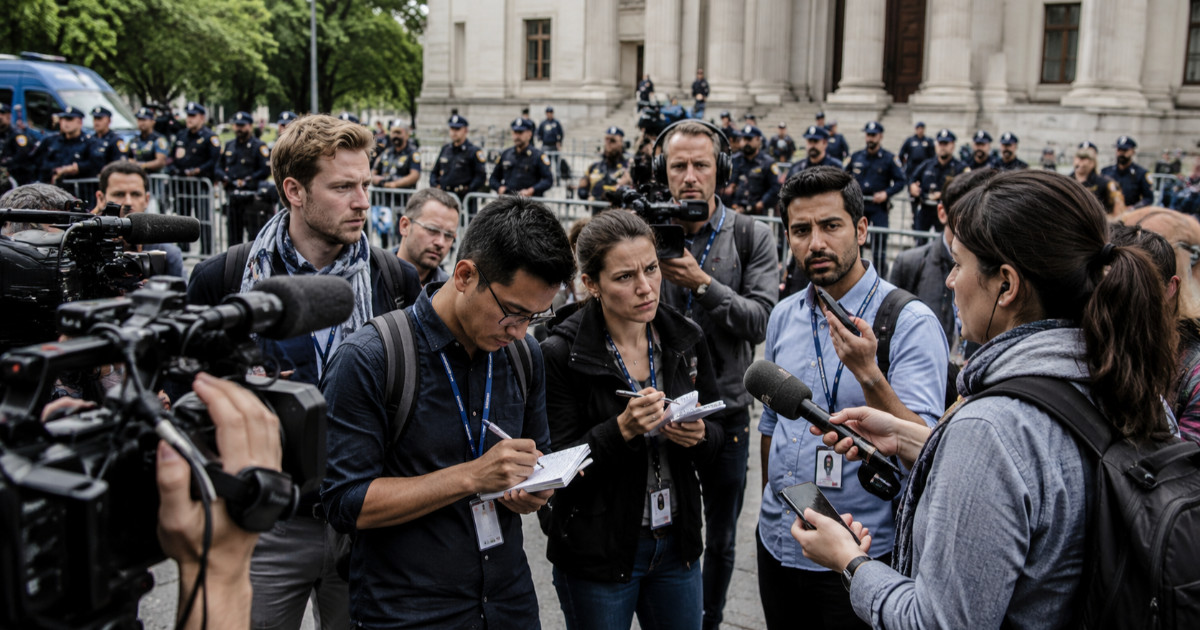
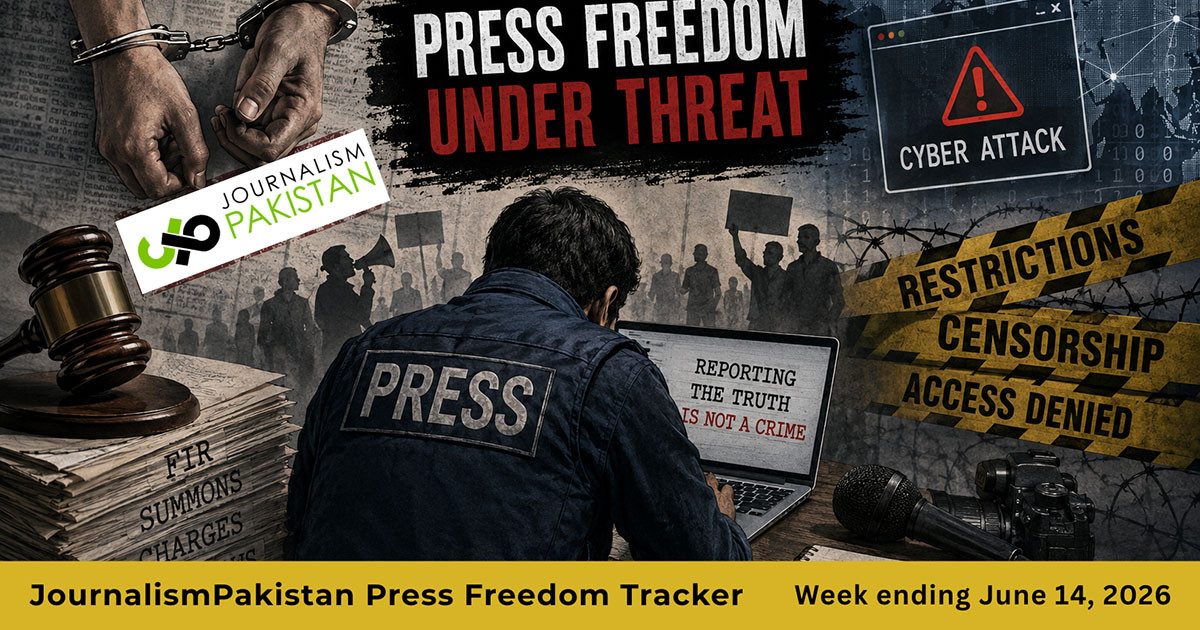
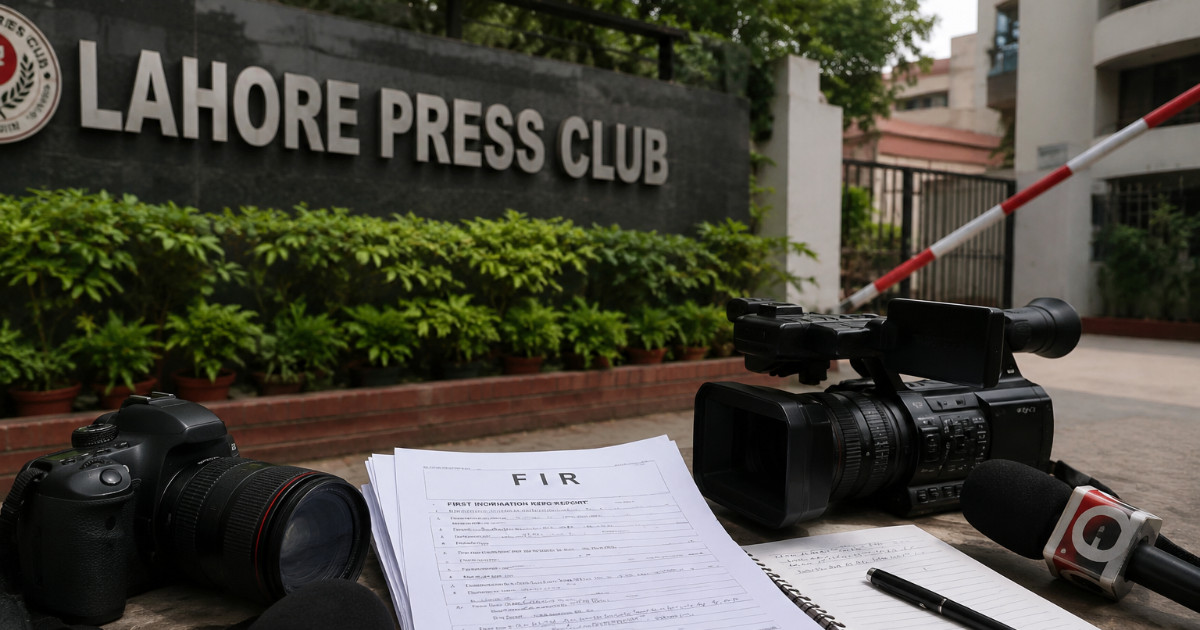
PHOTO: AI-generated; for illustrative purposes.
Key Points
- The Pentagon excluded independent press photographers from recent briefings on U.S. actions involving Iran.
- The move followed aides to Defense Secretary Pete Hegseth objecting to published images of him.
- Photographers from AP, Reuters and Getty were among those barred from follow-up briefings.
- The change reflects broader shifts in Pentagon media access after many outlets relinquished badges in 2025.
- Press freedom advocates say the policy reduces transparency and independent reporting on defense matters.
Key Questions & Answers
Why were press photographers barred from the briefings?
According to reports, aides to Defense Secretary Pete Hegseth objected to published photos of him; Pentagon staff photographers were used instead at follow-up briefings.
Which news organizations were affected?
Photographers from The Associated Press, Reuters and Getty Images who attended a prior briefing were among those excluded from subsequent sessions.
Has Pentagon media access changed more broadly?
Yes; many mainstream outlets relinquished Pentagon badges in 2025 amid restrictive reporting rules, and a new press corps agreeing to those terms has largely replaced them.
What do critics say about the decision?
Press freedom advocates say the exclusion of independent photographers weakens transparency and independent reporting on defense matters.
Relevant Topics
Ask AI: Understand this story your way
AI EnabledDig deeper, ask anything — get instant context, background, and clarity.
Disclaimer: This feature is powered by AI and is intended to help readers explore and understand news stories more easily. While we strive for accuracy, AI-generated responses may occasionally be incomplete or reflect limitations in the underlying model. This feature does not represent the editorial views of JournalismPakistan. For our full, verified reporting, please refer to the original article.