
Pakistan journalists face deepening welfare crisis, PFUJ-Workers warns
JournalismPakistan.com | Published: 10 January 2026 | JP Staff Report
Join our WhatsApp channel
PFUJ-Workers' Abdul Razzaq Chishti warned that Pakistan's journalists face a deepening welfare crisis: layoffs, delayed pay and rising poverty have left many unemployed or unable to afford healthcare, while coordinated institutional support remains lacking.Summary
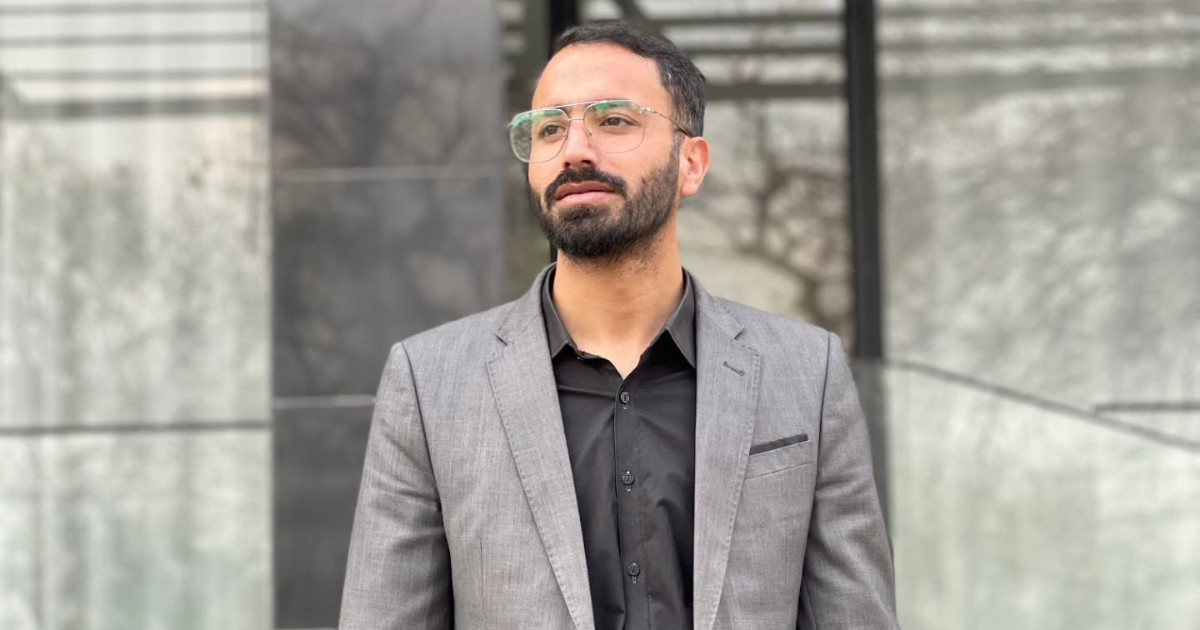
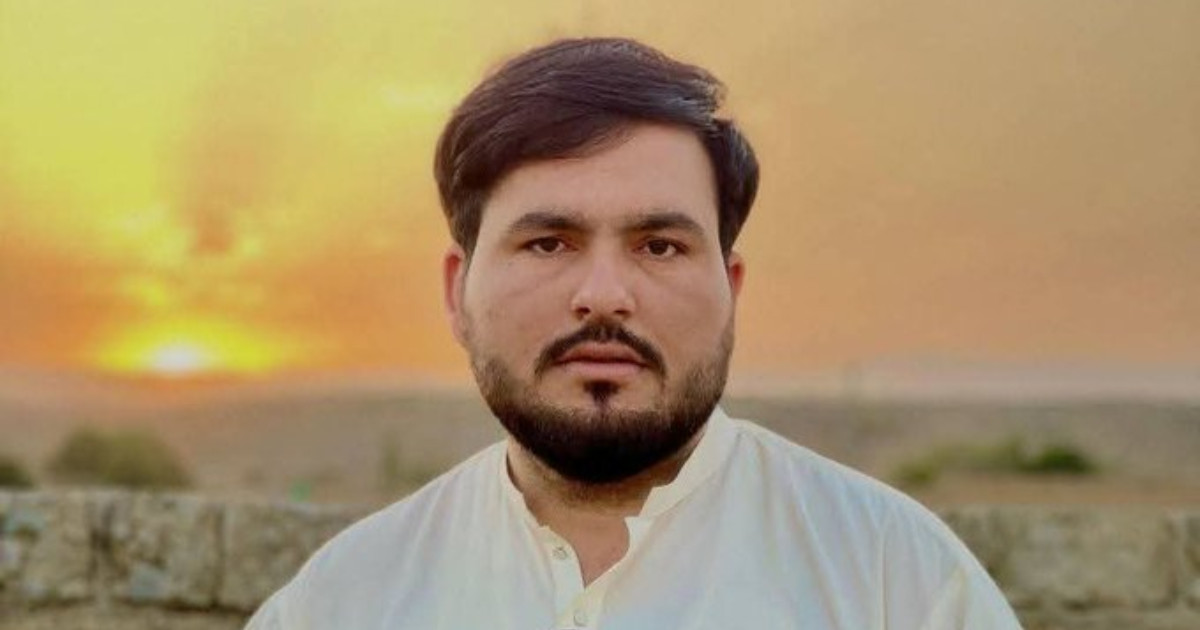
ISLAMABAD — Senior journalist and Central Senior Vice President of the Pakistan Federal Union of Journalists-Workers, Abdul Razzaq Chishti, has warned that Pakistan’s journalism community is going through one of its most challenging periods, with a growing number of journalists and media workers facing financial hardship, job losses, and serious health problems.
In a message circulated among journalists on January 9, Chishti said that over the past three to four years, many media professionals have slipped into poverty, while senior journalists are struggling with chronic illnesses without institutional or employer support. He noted that professional dignity often prevents individuals affected by the issue from seeking public assistance, leaving their difficulties largely unseen.
The scale of financial distress among journalists
Chishti described the situation as a collective crisis for the media sector, emphasizing that declining job security, delayed salaries, and layoffs have pushed many journalists into prolonged unemployment. According to him, the absence of a reliable welfare mechanism has exacerbated the vulnerability of journalists who lack savings or access to healthcare, particularly those who are no longer actively employed.
He criticized the broader journalistic community, including senior figures and financially stable professionals, for failing to respond meaningfully to the crisis. Chishti said that despite repeated discussions about journalists’ welfare, there has been little coordinated action to support colleagues in distress.
PFUJ-Workers plans structured welfare initiative
Referring to the vision of the late Parvez Shaukat, founder of PFUJ Workers, Chishti announced plans to launch a structured welfare program with the backing of philanthropists and personally known donors. He said the initiative aims to provide targeted assistance to deserving journalists and media workers, with a particular focus on extending relief ahead of the holy month of Ramadan.
As an initial step, PFUJ-Workers plans to compile verified data on journalists in need from major cities, including Rawalpindi, Islamabad, Lahore, Gujranwala, Faisalabad, Hyderabad, Karachi, Quetta, Peshawar, and Abbottabad, as well as nearby areas. The data collection will also include information about journalists who were martyred or who died following severe financial stress, along with contact details for their families.
Call for verified data and collective action
Chishti appealed to journalists and media workers to help identify deserving cases and share essential details, including names, duration of unemployment, nature and length of illness where applicable, marital status, gender, and verified contact and account information. He requested that all verified information be sent directly to his WhatsApp number, 0302-8110435, assuring that confidentiality and personal dignity would be respected.
He urged the journalism community to move beyond statements of concern and take practical steps to support colleagues in need, stressing that solidarity and compassion are core professional values. Chishti said timely action could help prevent further hardship for vulnerable journalists and their families in the coming months.
ATTRIBUTION: Reporting based on a statement circulated by Abdul Razzaq Chishti, Pakistan Federal Union of Journalists Workers.
PHOTO: By Andrew Khoroshavin from Pixabay
Key Points
- Abdul Razzaq Chishti warns of a deepening welfare crisis among journalists and media workers.
- Layoffs, delayed salaries and prolonged unemployment are driving financial hardship.
- Senior journalists face chronic health issues without employer or institutional support.
- Professional dignity and stigma prevent many affected journalists from seeking public help.
- PFUJ-Workers criticizes the lack of coordinated response and calls for reliable welfare mechanisms.
Relevant Topics
Ask AI: Understand this story your way
AI EnabledDig deeper, ask anything — get instant context, background, and clarity.
Disclaimer: This feature is powered by AI and is intended to help readers explore and understand news stories more easily. While we strive for accuracy, AI-generated responses may occasionally be incomplete or reflect limitations in the underlying model. This feature does not represent the editorial views of JournalismPakistan. For our full, verified reporting, please refer to the original article.