
Iran communications blackout deepens media repression, RSF warns
JournalismPakistan.com | Published: 10 January 2026 | JP Global Monitoring Desk
Join our WhatsApp channel
Reporters Without Borders says Iran's communications blackout limits journalists' reporting and isolates freelance and local reporters. It blocks encrypted messaging, hinders verification and tracking of arrests, and weakens the public's right to information.Summary
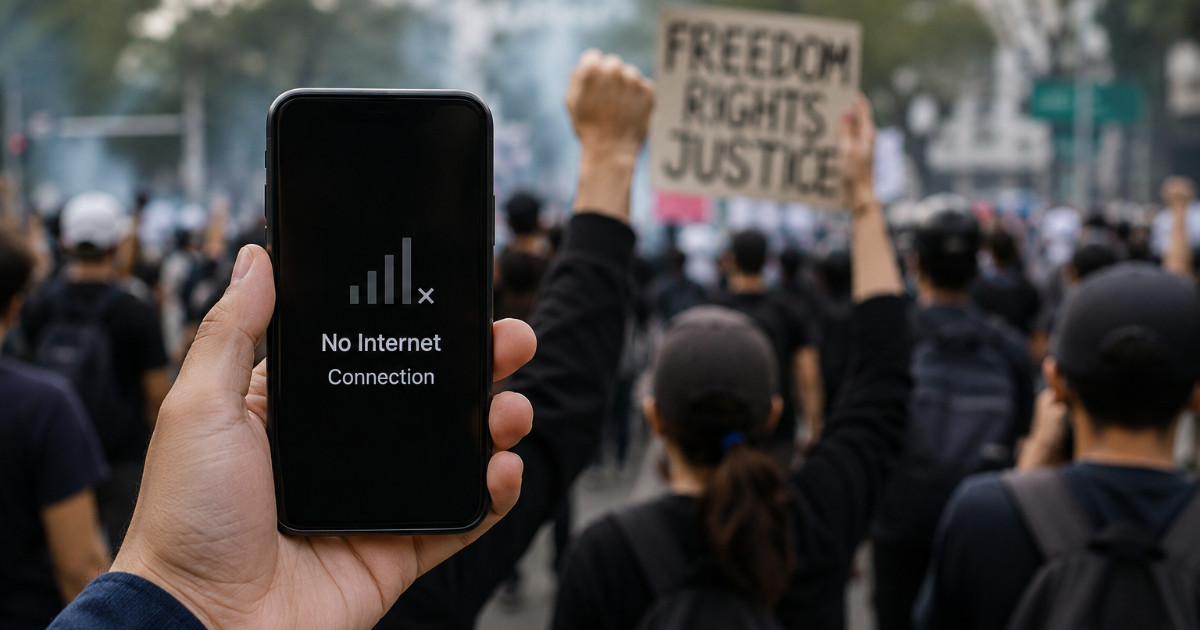
PARIS — Reporters Without Borders has warned that a communications shutdown in Iran has sharply restricted journalists’ ability to report and has disrupted the flow of independent information from inside the country. The press freedom organization said the blackout has left reporters isolated at a time of heightened public unrest, making it difficult to verify events or safely communicate with editors and international media.
In a statement, RSF said internet and communications restrictions are preventing journalists from carrying out basic newsgathering functions, including contacting sources, sharing footage, and confirming developments on the ground. The group stressed that such measures have a direct impact on the public’s right to information and further weaken already constrained media conditions in Iran.
Journalists isolated by communications restrictions
RSF said the shutdown has particularly affected local journalists and freelance media workers who rely on digital tools to report securely. According to the organization, the lack of connectivity increases risks for reporters by cutting off access to encrypted messaging, emergency contacts, and international visibility that can offer a degree of protection during sensitive coverage.
The organization also raised concerns about journalists and media workers who have been detained while covering protests. RSF said the communications blackout makes it harder to track arrests, verify the status of those detained, or provide legal and safety support, increasing fears of abuse and prolonged incommunicado detention.
Digital repression and control of narratives
RSF described the communications restrictions as part of a broader pattern of digital repression used to control narratives during periods of political tension. By limiting internet access and restricting information flows, authorities are able to reduce independent reporting and shape public understanding of unfolding events, the organization said.
The group called on Iranian authorities to immediately restore full access to communications networks and to respect press freedom obligations under international law. RSF said unrestricted connectivity is essential not only for journalists but also for documenting events accurately and ensuring accountability.
ATTRIBUTION: Reporting based on statements and assessments by Reporters Without Borders.
PHOTO: by Joshua Woroniecki from Pixabay
Key Points
- RSF warns a communications blackout in Iran is severely restricting journalists' ability to report.
- Local and freelance reporters are particularly isolated and lose access to secure digital tools.
- Encrypted messaging and emergency contacts are being cut off, increasing risks for media workers.
- The shutdown hampers verification of events, tracking of arrests, and delivery of legal and safety support.
- These measures disrupt independent information flow and undermine the public's right to know.
Relevant Topics
Ask AI: Understand this story your way
AI EnabledDig deeper, ask anything — get instant context, background, and clarity.
Disclaimer: This feature is powered by AI and is intended to help readers explore and understand news stories more easily. While we strive for accuracy, AI-generated responses may occasionally be incomplete or reflect limitations in the underlying model. This feature does not represent the editorial views of JournalismPakistan. For our full, verified reporting, please refer to the original article.