
Venezuelan editors in exile join forces to report crisis
JournalismPakistan.com | Published: 10 January 2026 | JP Global Monitoring Desk
Join our WhatsApp channel
Senior editors from independent Venezuelan outlets in exile formed a coordinated reporting initiative to cover a pivotal week of political turmoil. The project seeks to bypass censorship and detentions to inform Venezuelans at home and abroad.Summary
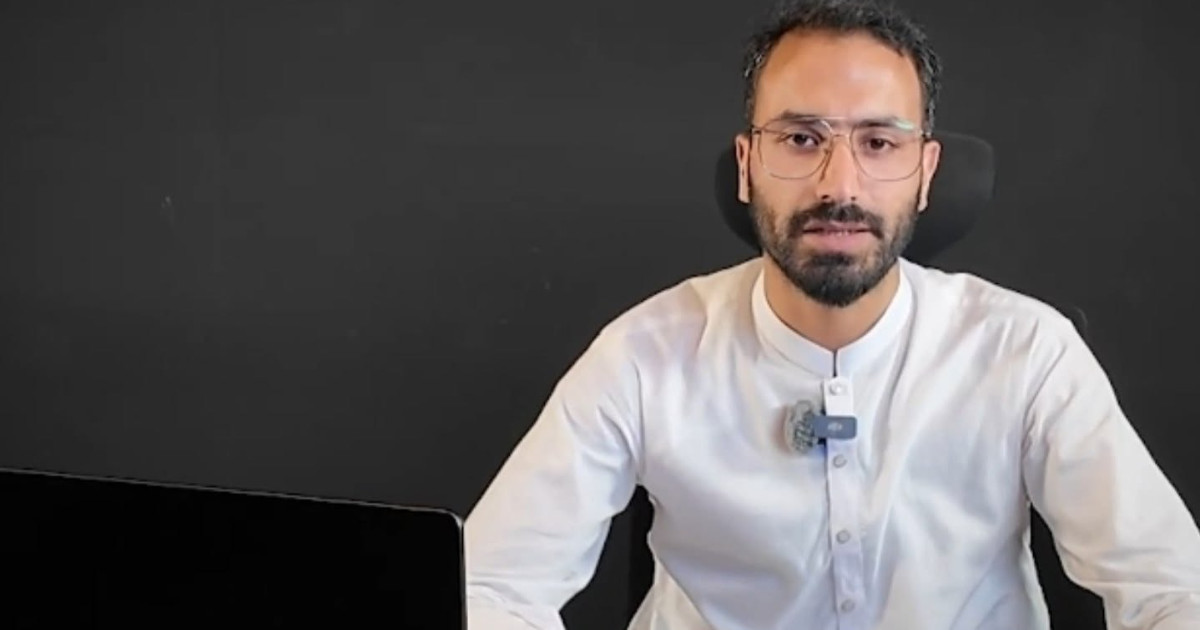
CARACAS, Venezuela — Independent Venezuelan journalists now working in exile have joined together to report on their country’s unfolding political crisis from abroad, in a collaborative effort to overcome barriers to information and repression at home. Reuters Institute reporting identifies six senior editors discussing coordinated coverage of a pivotal week in Venezuelan politics and challenges foreign observers often miss.
Venezuela has been gripped by intense political turmoil following the capture of former President Nicolás Maduro by U.S. forces in early January and the subsequent transition of interim leadership to Vice President Delcy Rodríguez. Amid these events, local journalists have faced detentions, censorship, and restrictions on covering key developments inside the country. Reporters Without Borders counted dozens of press freedom violations in recent weeks, while Venezuelan authorities have detained media workers covering major events.
A collaborative response from exile
The collaborative reporting effort in exile brings together editors from prominent independent outlets, including Efecto Cocuyo, El Pitazo, Runrun.es, and TalCual, among others, who organized a continuous broadcast to inform Venezuelans about critical developments when traditional media faced information blockades. Participants said this teamwork was built on years of cooperation and shared trust, enabling rapid response when events unfolded at the beginning of January.
Journalists told LatAm Journalism Review that the joint efforts break through Venezuela’s longstanding information blockade, which has limited real-time reporting of political developments within the country. Despite being based outside Venezuela, the exiled editors coordinated encrypted communications and pooled resources to ensure timely reporting.
Press freedom under pressure at home
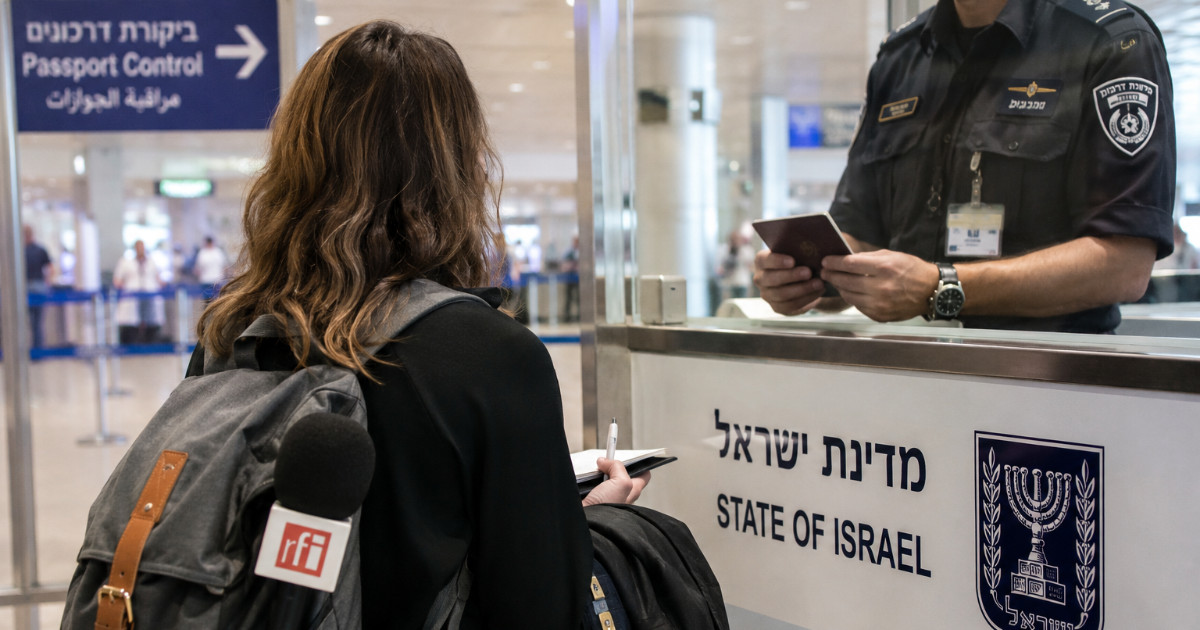
Inside Venezuela, repression of independent media remains acute. Press freedom groups have documented a climate of hostility marked by arbitrary arrests, intimidation, and censorship. In recent weeks, at least 14 media workers were temporarily detained while covering political events, with one foreign journalist deported, underscoring the risks that remain for those working within the country.
Reporters Without Borders found at least 70 violations of press freedom in recent weeks, including detentions, threats, and restrictions on access to information, reflecting a severe environment for journalists attempting to cover political developments inside Venezuela.
Journalists in exile and rights advocates say these collaborative reporting initiatives are crucial to ensure that Venezuelans and the international community receive accurate and timely information, given the severe constraints on press freedom inside the country. Analysts note that independent media operating from abroad face difficulties such as losing direct access to sources and real-time reporting from the ground, even as they provide a vital counterpoint to domestic censorship.
ATTRIBUTION: This story draws on reporting by the Reuters Institute, the LatAm Journalism Review, and press freedom monitoring organizations.
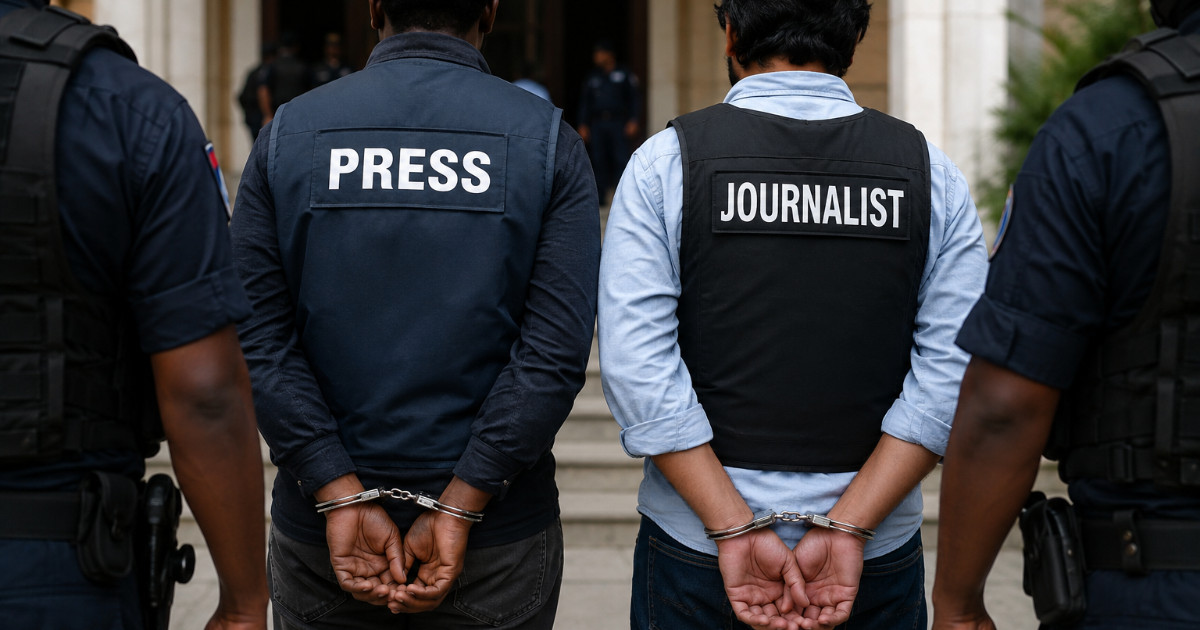
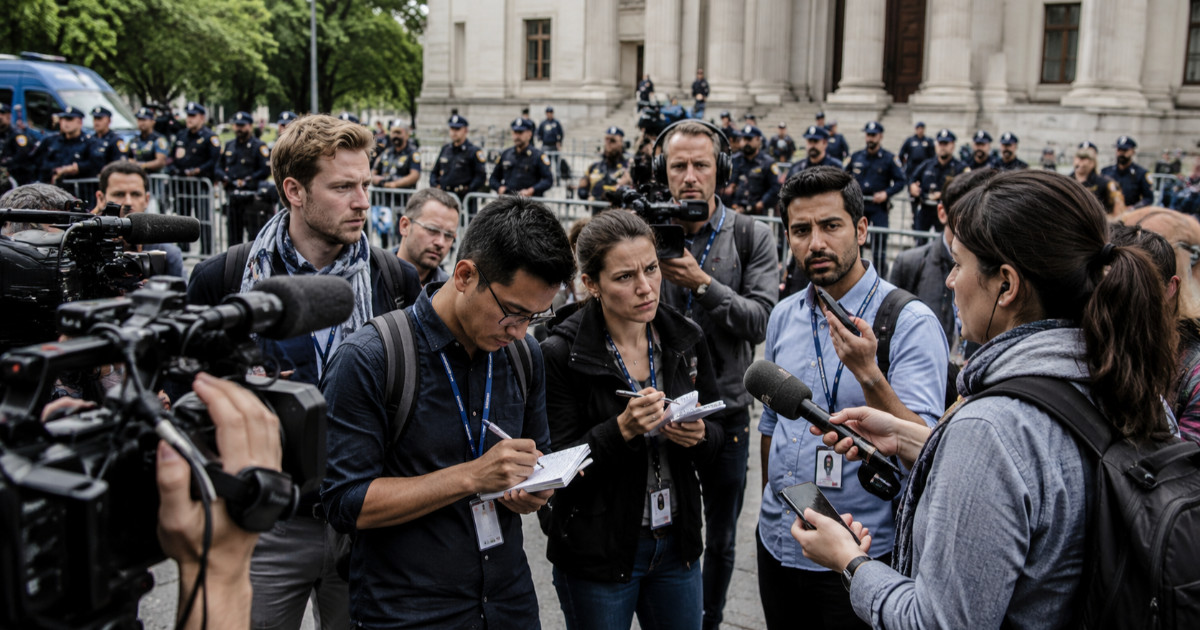
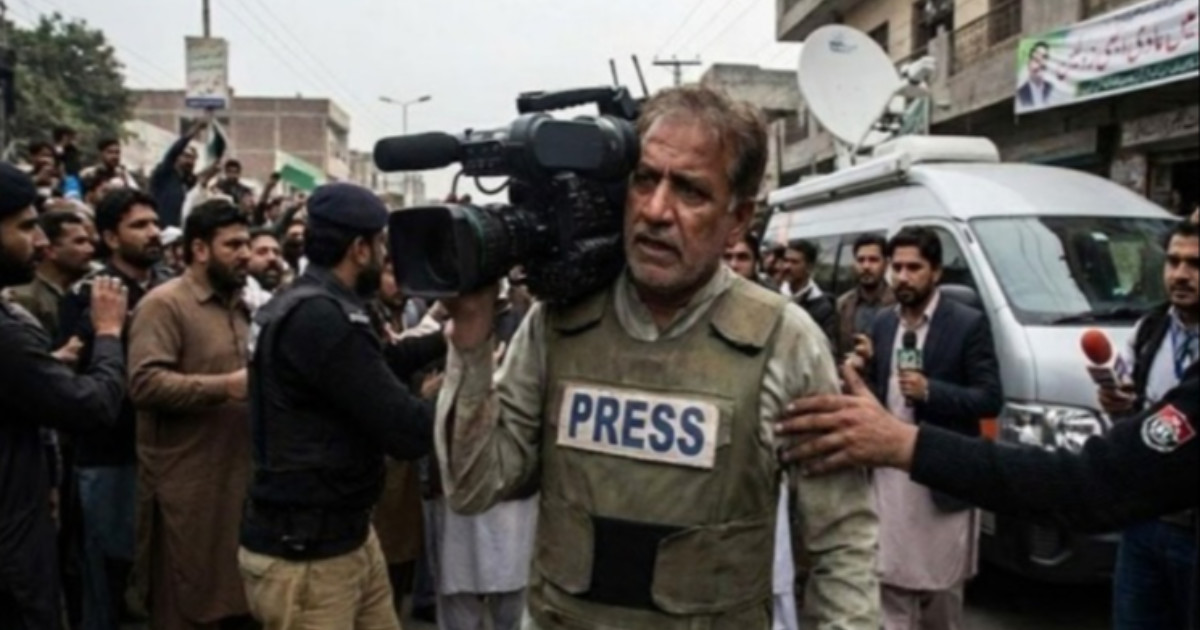
PHOTO: AI-generated; for illustrative purposes only.
Key Points
- Senior editors from independent outlets have organized in exile to provide coordinated coverage.
- Participants include Efecto Cocuyo, El Pitazo, Runrun.es and TalCual among others.
- The initiative was launched to counter information blockades after the capture of Nicolás Maduro and leadership changes.
- Journalists face detentions, censorship and other press freedom violations inside Venezuela.
- The collaborative broadcast relies on prior trust and aims for rapid, continuous reporting to reach Venezuelans at home and abroad.
Relevant Topics
Ask AI: Understand this story your way
AI EnabledDig deeper, ask anything — get instant context, background, and clarity.
Disclaimer: This feature is powered by AI and is intended to help readers explore and understand news stories more easily. While we strive for accuracy, AI-generated responses may occasionally be incomplete or reflect limitations in the underlying model. This feature does not represent the editorial views of JournalismPakistan. For our full, verified reporting, please refer to the original article.