
(2).png)
Nearly three dozen journalists detained in Delhi protests
JournalismPakistan.com | Published: 12 October 2026 | JP Asia Desk
Join our WhatsApp channel
About 35 journalists covering protests in New Delhi were detained by police; some were manhandled or had phones seized despite showing press credentials. The Supreme Court had ordered authorities to safeguard journalists' ability to report without obstruction.Summary
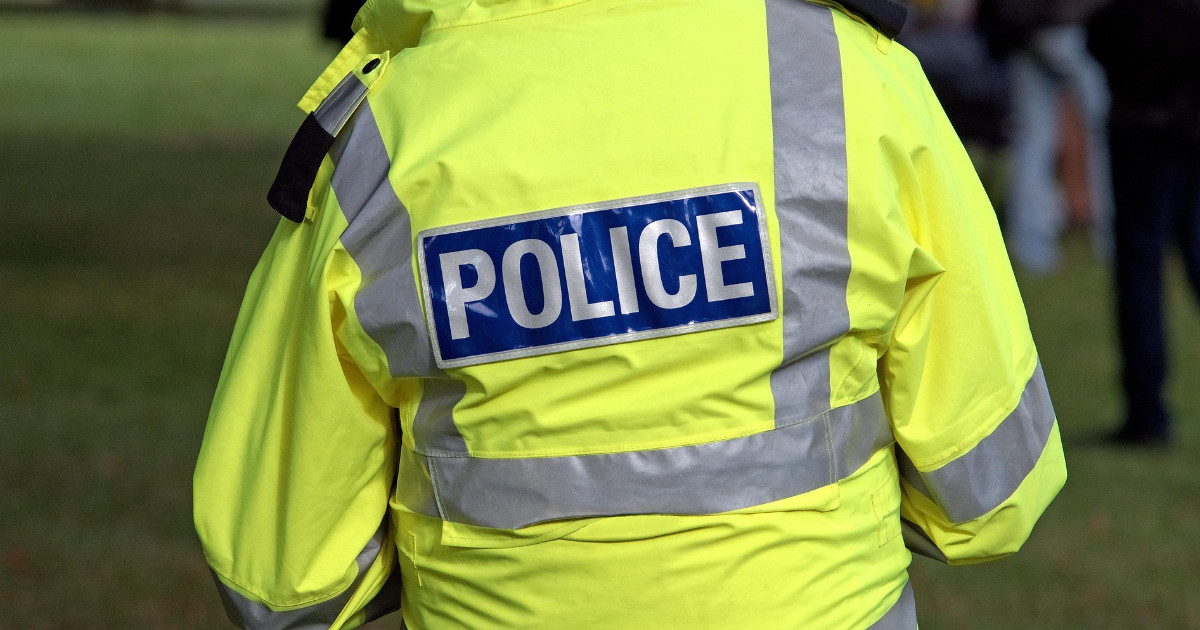
NEW DELHI — Nearly three dozen journalists were detained while covering protests in India's capital, Reuters reported on October 12, widening the documented scale of police action against the press. Some detentions occurred after the Supreme Court intervened to protect journalists' ability to work, according to reporters interviewed by the news agency.
Reuters said journalists were held for hours before being released, with some dragged, roughly handled or deprived of their phones. Its account drew on interviews, a reporter's observations and news footage. A Reuters journalist was also briefly detained.
Press credentials failed to prevent detentions
The Indian Express reported on October 12 that three members of its Hindi team, Shashwat, Siya and Vijay Kumar, were detained the previous day on Chelmsford Road. They said they identified themselves, displayed their press cards and explained that they were reporting, but were nevertheless ordered onto a police bus.
The journalists were released approximately 45 minutes later near Chhatrasal Stadium, about 12 kilometers from where they had been picked up. Their account describes how an attempt to speak to detained demonstrators ended with the reporters themselves being removed from the scene.
Court safeguards face scrutiny
At its October 11 hearing, the Supreme Court directed authorities to ensure that journalists, lawyers and other professionals could perform their duties without obstruction. It also addressed unlawful detention, transport restrictions and access to internet services, according to The Times of India's report published that day.
Journalists' accounts that detentions continued after the intervention raise questions about compliance. They do not, by themselves, establish a judicial finding that police violated the order. Reuters reported that Delhi Police did not immediately answer its detailed questions about the number of journalists detained, the reasons, or their treatment. Police had previously alleged in a video posted on X that some protesters impersonated journalists and obstructed officers.
Reporting disrupted across several locations
Scroll separately documented the October 10 detention of its reporters Ayush Tiwari and Shoaib Daniyal in Delhi. According to the outlet, Tiwari was detained near ITO despite prominently displaying his press card and repeatedly identifying himself. Daniyal, its political editor, was detained near CR Park while waiting for a taxi.
Scroll also reported that its journalist Divya Aslesha was detained in Pune while covering related demonstrations. That incident was outside Delhi and should be distinguished from the capital's detention tally. Together, the newsroom accounts show how reporters' access was disrupted at multiple locations, including away from the principal protest site.
Protest coverage and police accountability
The demonstrations centered on demands for Chief Election Commissioner Gyanesh Kumar's resignation over disputed voter-list revisions. The Election Commission denies allegations that the changes favored the ruling party. Press associations have sought an investigation and apology over the treatment of journalists.
The immediate accountability question is whether authorities can explain the grounds for individual detentions and how officers implemented the court's safeguards. The Supreme Court listed petitions concerning alleged mass detentions and connected matters for October 13. For newsrooms, the practical issue remains whether reporters can identify themselves, document police action and remain at the scene long enough to inform the public.
ATTRIBUTION: Based on Reuters reporting published October 12, 2026; The Indian Express, October 12, 2026; Scroll, published October 10 and updated October 11, 2026; and The Times of India, October 11, 2026.
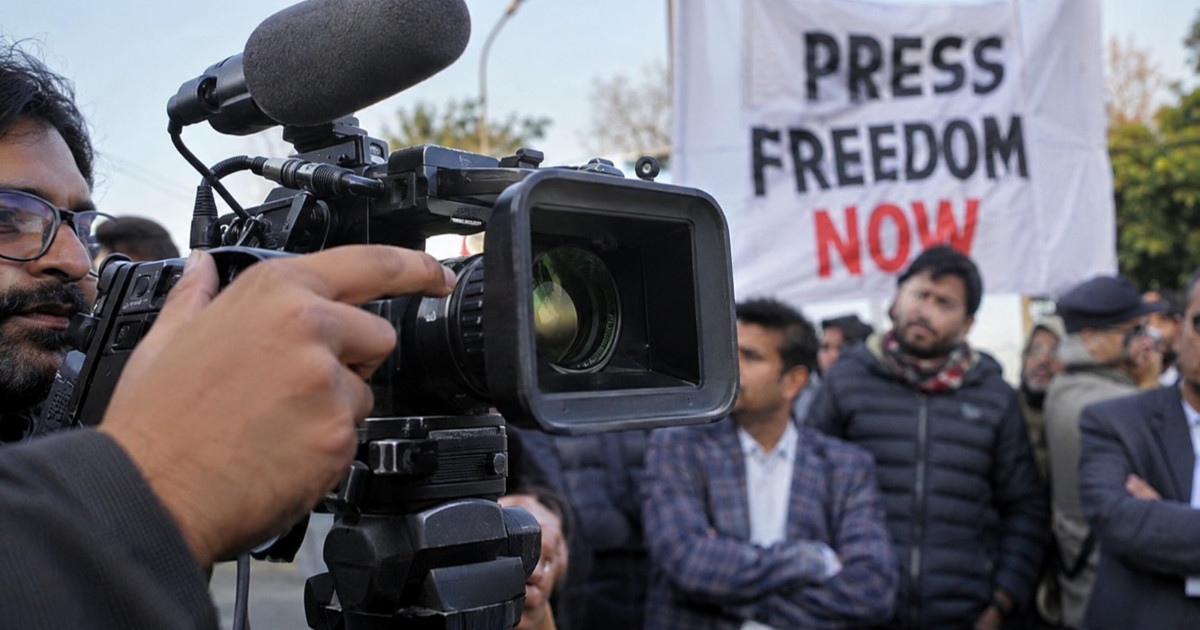
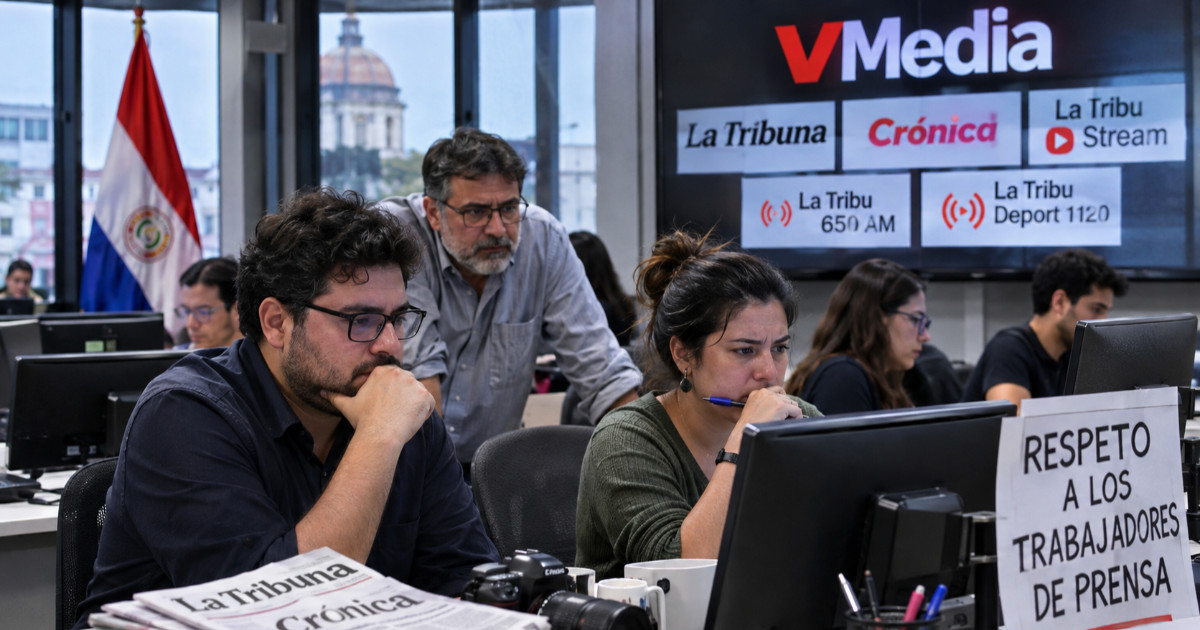
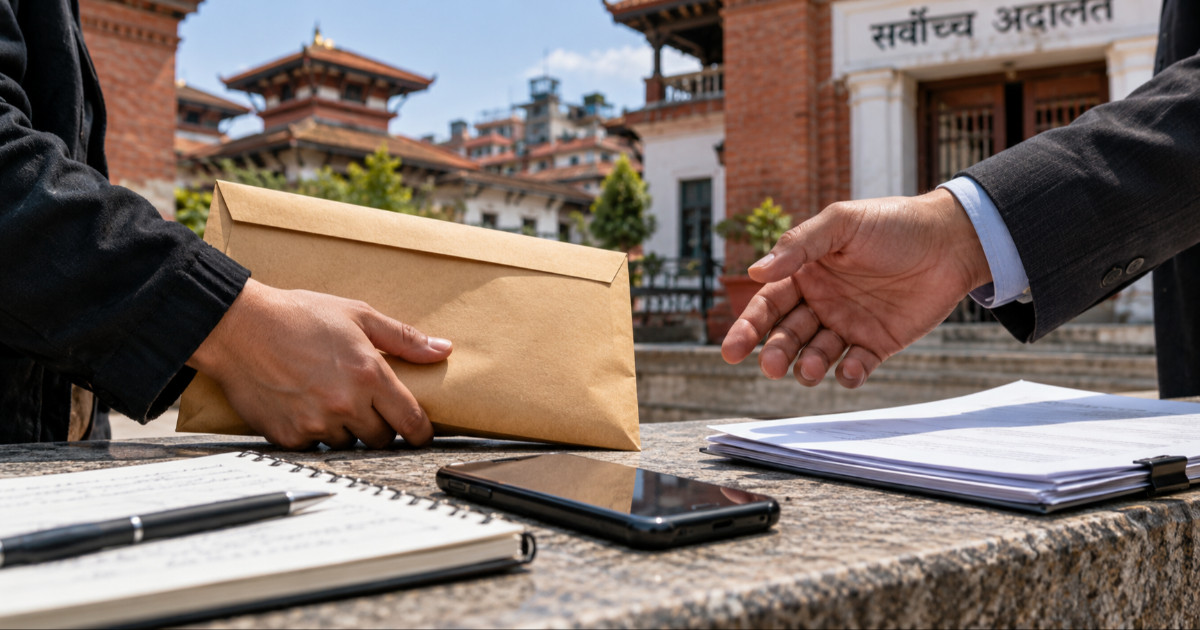
PHOTO: AI-generated; for illustrative purposes only.
Key Points
- Nearly three dozen journalists were detained while reporting protests in New Delhi.
- Some reporters were manhandled, dragged or had phones seized despite showing press IDs.
- Detentions lasted hours in many cases, with some released far from where they were picked up.
- A Reuters journalist was briefly detained and news footage documented some incidents.
- The Supreme Court ordered authorities to ensure journalists could perform duties without obstruction.
Key Questions & Answers
Why were journalists detained?
Police detained journalists while clearing or controlling protest sites; authorities say such actions were part of security operations, while reporters say many were simply covering events.
Did press credentials prevent detention?
No. Several journalists reported they displayed press cards but were still detained, moved or had phones taken.
What did the Supreme Court say?
The Supreme Court directed authorities to ensure journalists, lawyers and other professionals can perform duties without obstruction and to protect media access.
Were journalists harmed or deprived of equipment?
Reports and footage indicate some journalists were roughly handled, dragged, or temporarily deprived of their phones while detained.
Relevant Topics
Ask AI: Understand this story your way
AI EnabledDig deeper, ask anything — get instant context, background, and clarity.
Disclaimer: This feature is powered by AI and is intended to help readers explore and understand news stories more easily. While we strive for accuracy, AI-generated responses may occasionally be incomplete or reflect limitations in the underlying model. This feature does not represent the editorial views of JournalismPakistan. For our full, verified reporting, please refer to the original article.