
Balochistan's ad policy raises fears for local papers
JournalismPakistan.com | Published: 29 November 2026 | Matiullah Mati
Join our WhatsApp channel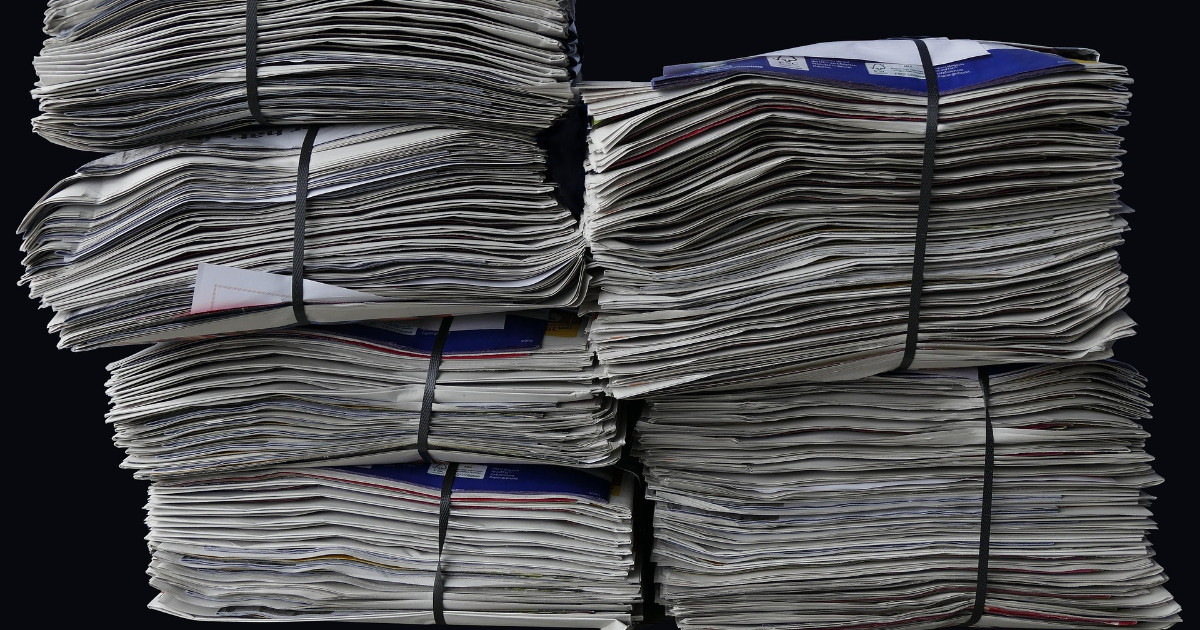
Balochistan's move to allow government advertising for digital publishers and creators has alarmed editors of local newspapers who rely on state ads to cover printing and distribution costs. They warn reduced ad shares could force fewer copies, staff cuts and diminished circulation.Summary
Government advertising helps local newspapers in Balochistan cover the cost of printing and distribution. As the province opens advertising to digital publishers and creators, editors want to know how that money will be divided.
QUETTA — For 15 years, Murtaza Tareen has helped get Daily Asia Today into the hands of readers in Quetta. As the newspaper’s news editor, he sees how many jobs depend on each edition. Reporters and editors prepare the news, computer operators lay out the pages, and printing staff produce the paper. Newspaper vendors get it to readers, and some copies are sent to other districts.
Tareen says local newspapers depend heavily on government advertising because they draw little business from private advertisers. Records from Balochistan’s Directorate General of Public Relations give a sense of that dependence. The directorate recorded Rs524.44 million in government advertising across 110 daily newspaper entries in the 2024–25 financial year, including Rs5.13 million for Daily Asia Today.
What a smaller print budget could mean
Printing is one of the first costs a newspaper would have to review if advertising revenue fell, Tareen says. A paper could print fewer copies or scale back publication. If the shortfall persisted, he says, it could also have to cut staff. Any reduction in circulation would affect the vendors who earn a living selling copies.
Tareen supports expanding into digital media and wants the province to protect the viability of print as it does so. He says newspapers still reach readers in parts of Balochistan where internet access is limited. He also wants the government to explain how it will assess whether digital outlets receiving public advertising follow professional standards.
Different rules for print and digital
The Balochistan Advertisement Policy 2026 makes digital publishers and social media content creators eligible for government advertising. Under its operating procedures, a provincial committee processes digital applications, considers the audiences they reach and assesses advertising rates. Inclusion on a media list carries no automatic entitlement to an advertisement.
Print publications must be on the federal Central Media List and undergo regular circulation audits. Dailies generally need an audited circulation of at least 3,000 copies, or 2,000 for local-language papers. Newspapers and periodicals generally need five years of regular publication, reduced to three for local-language and bilingual publications.
The Council of Pakistan Newspaper Editors raised concerns about unequal eligibility criteria in the draft and called for separate advertising funds for print and digital media. The operating procedures require print, digital and electronic advertising costs to be recorded separately, including when the budget is provided as a lump sum. That accounting should make it possible to see how much business goes to each category.
Who is on the digital list?
The directorate’s October 15 response to a right-to-information request included a digital media verification list with 176 entries. It includes individual creators, online outlets, and newspaper accounts. Daily Qudrat and Daily Intekhab, for example, appear on both the digital list and the earlier print advertising report.
Information gathered for this report indicates that digital ads issued so far have gone to newspaper-affiliated accounts and that digital-only influencers have yet to receive payments. The directorate’s response included television advertising figures. A release of digital ad orders and payment records would establish which accounts received business and which were paid.
A way in for independent journalists
Sabeen Malik, a freelance journalist in Quetta, sees an opening for reporters who work outside established media organizations. She says women in Balochistan are often assigned a narrow range of subjects, such as food prices, and have fewer opportunities to report on politics and other public issues. She hopes the policy will widen access for independent journalists and give weight to editorial freedom and professional protections.
Digital journalist Samiullah Khilji called for transparent criteria and equal opportunity for outlets that report regularly. Shahzada Zulfiqar, who chairs the Balochistan Media Action Committee, said the policy should recognize newspapers’ websites and online editions and take employment standards into account, including whether staff receive written appointment letters.
Chief Minister Sarfraz Bugti has presented digital media as a way to get information about public services and development programs to citizens more quickly. For Tareen, the practical question is whether people in communities with limited internet access will still find a local paper when they go to buy one.
ATTRIBUTION: Reporting by Matiullah Mati, drawing on interviews, Directorate General of Public Relations advertising records for FY2024–25 and its October 15, 2026 right-to-information response, the Balochistan Advertisement Policy 2026 and its operating procedures, and Pakistan Press Foundation’s July 7, 2026 coverage of media bodies’ objections.
ABOUT THE WRITER: Matiullah Mati is a Quetta-based Pakistani journalist who reports on development, parliamentary affairs, climate change, environmental issues, health, education, and the rights of women and children in Balochistan.
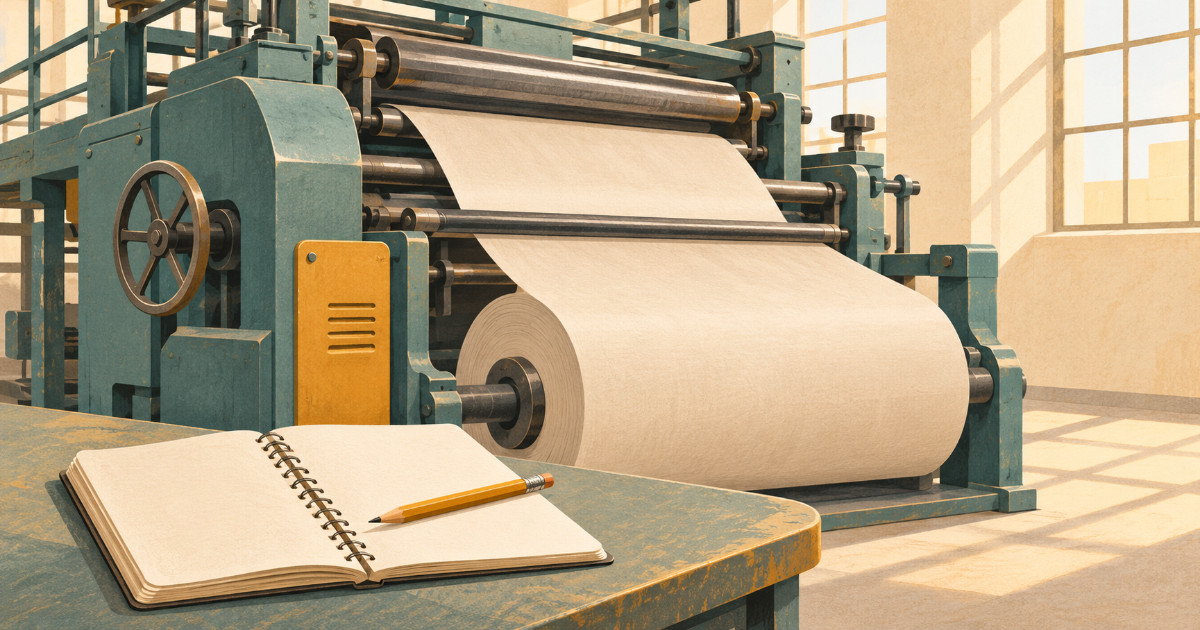
PHOTO: Bundles of newspapers. Government advertising helps Balochistan’s local dailies cover printing and distribution costs. Illustrative photo.
Key Points
- Government advertising in Balochistan has long subsidised printing and distribution costs for local papers.
- The province has opened ads to digital publishers and creators, raising questions about allocation.
- Editors worry that reduced state ad shares would force fewer print copies and possible staff cuts.
- Smaller circulation would also affect vendors and news reach in remote districts.
- Local editors call for safeguards to protect print viability while expanding digital access.
Key Questions & Answers
Why do local newspapers rely on government advertising?
In Balochistan many papers draw little private advertising, so government ads help cover printing, distribution and staff costs.
What changed in the new policy?
The province has opened government advertising to digital publishers and creators, expanding eligibility beyond traditional print outlets.
What are the main concerns of newspaper editors?
Editors fear the ad budget will be divided away from print, leading to fewer copies, layoffs and reduced reach in remote areas.
What could newspapers do to respond?
Editors suggest clear allocation rules, transitional support for print outlets, and investment in digital capacity while protecting essential print revenue.
Relevant Topics
Ask AI: Understand this story your way
AI EnabledDig deeper, ask anything — get instant context, background, and clarity.
Disclaimer: This feature is powered by AI and is intended to help readers explore and understand news stories more easily. While we strive for accuracy, AI-generated responses may occasionally be incomplete or reflect limitations in the underlying model. This feature does not represent the editorial views of JournalismPakistan. For our full, verified reporting, please refer to the original article.