
IFJ denounces war on journalism ahead of World Press Freedom Day
JournalismPakistan.com | Published: 30 April 2015
Join our WhatsApp channel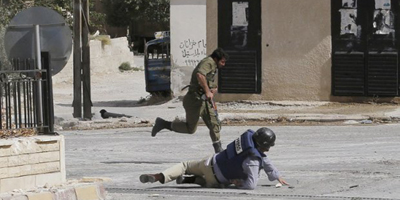
On May 3, the IFJ highlighted the escalating dangers faced by journalists around the world in 2015. The organization calls for urgent action to safeguard press freedom and ensure accountability for violence against journalists.Summary
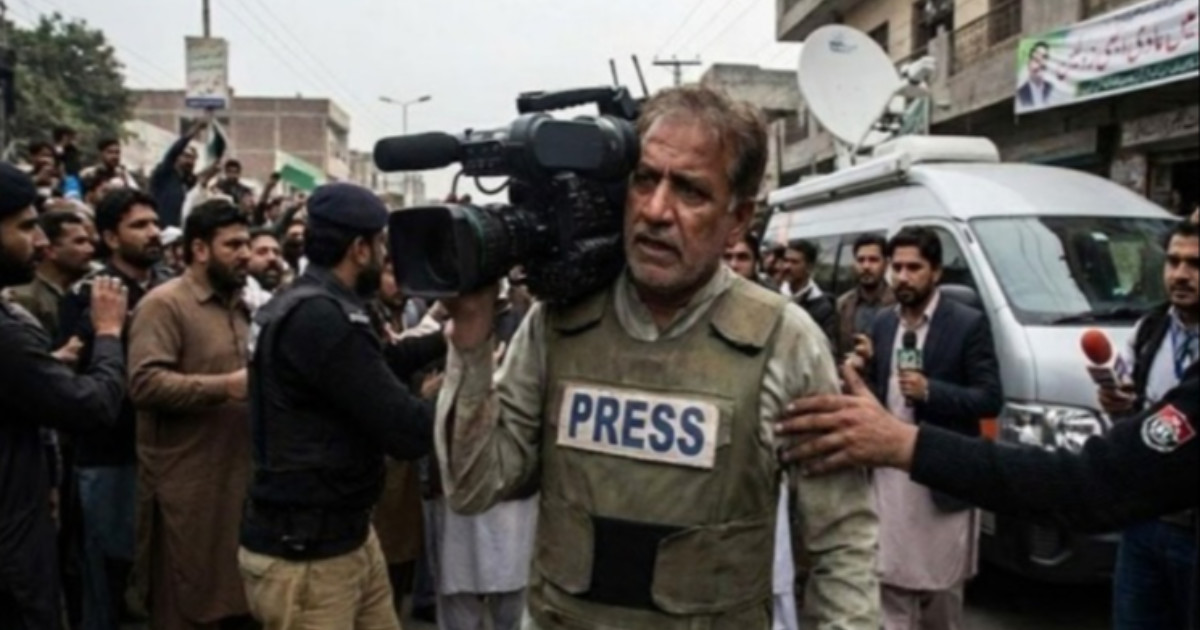
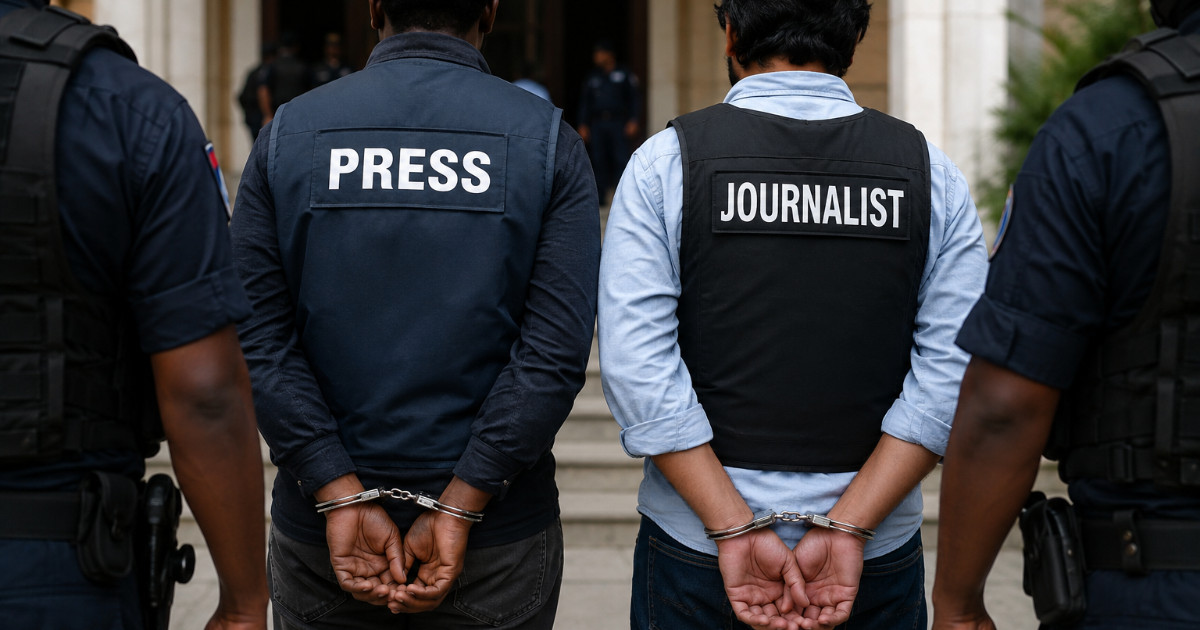
To mark World Press Freedom Day on May, 3, the International Federation of Journalists (IFJ) today said that journalism is under attack from several fronts across the globe in 2015, including acts of intimidation through repressive press laws, arbitrary detention as well as killings which the IFJ urges the international community to take seriously and press governments to investigate promptly.
According to IFJ’s latest figures for 2015, 44 journalists have lost their lives since the beginning of the year. The IFJ denounces the sheer targeting of journalists across the globe that is making this period the most dangerous in the past decades.
The IFJ cites among others the Charlie Hebdo Paris attack in which 10 journalists were gunned down in January, the recent slaughter of 5 journalists in Libya and five more slain in Yemen as well as the targeting of their colleagues in the Philippines, Colombia and Guatemala.
The Federation also highlighted the on-going crackdown on journalists such as in China where at least 43 journalists are behind bars, the recent muzzling of Burundi’s media, as well as state control of media in many parts of the world that makes the exercise of the profession even more challenging.
"In almost every corner of the world, journalists are targeted, brutalised and put to death,” said IFJ President Jim Boumelha. “In the first 3 months of 2015 we have met the third of last years’ total death, not to mention harassment, intimidation and imprisonments of our colleagues.”
To celebrate World Press Freedom Day, the IFJ and its affiliates will raise their voices for press freedom and participate in a number of events around the globe.
“It is our mission to document, expose, lobby and campaign to stop attacks against journalists,” added Boumelha. “We must also denounce the shameful failure of governments to prosecute the killers of journalists. These deaths are more than just statistics; they are colleagues and friends who have dedicated their lives to pay the ultimate price for their work as journalists for the right of their citizens to know. On Sunday, the whole world should remember them.”
Key Points
- 44 journalists have died in 2015 due to violence and repression.
- The IFJ cites specific attacks including Charlie Hebdo and incidents in Libya and Yemen.
- Journalists face increasing intimidation, arbitrary detention, and state control of media.
- The IFJ emphasizes the need for governments to prosecute those responsible for journalist deaths.
- Celebrations for World Press Freedom Day will include global events advocating for journalist rights.
Relevant Topics
Ask AI: Understand this story your way
AI EnabledDig deeper, ask anything — get instant context, background, and clarity.
Disclaimer: This feature is powered by AI and is intended to help readers explore and understand news stories more easily. While we strive for accuracy, AI-generated responses may occasionally be incomplete or reflect limitations in the underlying model. This feature does not represent the editorial views of JournalismPakistan. For our full, verified reporting, please refer to the original article.