
Anwar Ali (1922-2004)
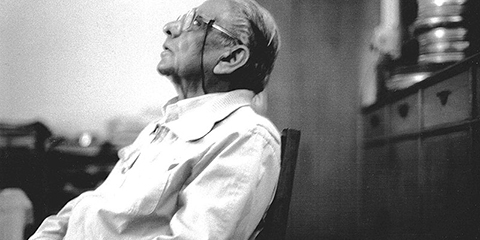
Anwar Ali, creator of famous character Nanna, was the first newspaper cartoonist associated with The Pakistan Times. Born on April 18, 1922 in Ludhiana, his association with this newspaper spread over 30 years from 1947 to 1977.
The cartoon was one of the most widely appreciated items on the pages of The Pakistan Times for its brief, down to earth, and honest comment to expose hypocrisy of upper strata of the society.
According to Khalid Hasan, “Nanna, the memorable imp used to appear on the front page of The Pakistan Times every day, thumbing his nose at everyone, from jacked up bureaucrats to rotund feudal lords to double-crossing politicians to city fathers who preferred to help themselves rather than the city.
“Were I to choose one political cartoonist out of the many who have drawn for our newspapers since independence, without hesitation, I would choose Anwar Ali, always Anwar Nanna to those of us who had the privilege of working under the same roof with him.
Anwar Ali, who also worked for Dawn and the Civil Military Gazette, was also the author of two collections of short stories Kaalian Ittan, Kaale Ror and Noori.
He died in Lahore on November 27, 2004.
(Compiled from different news reports)
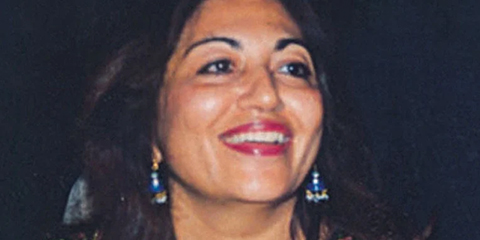
Razia Bhatti (1944-1996)
Razia Bhatti has been described as a crusader, a torch-bearer, and a symbol of courage. In 1996, the Pakistan Press Foundation called her untimely death at the age of 52 an 'end of a golden chapter of journalism in Pakistan.'
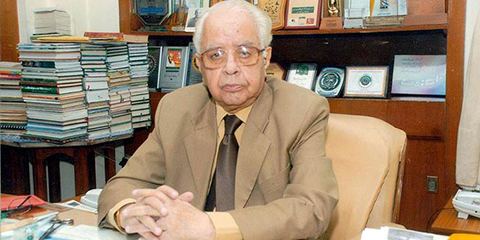
Majid Nizami (1928-2014)
Editor-in-chief and publisher of Nawa-i-Waqt, Majid Nizami was in the field of journalism for almost half a century. He was born in Sangla Hill in Sheikhupura, Punjab, and got his early education
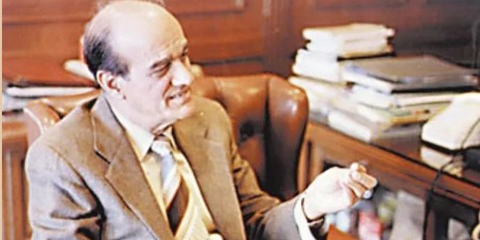
Mir Khalil-ur-Rahman (1927-1992)
Mir Khalil-ur-Rahman was the Founder and Editor of the Jang Group of Newspapers.. A self-made newspaper magnate he ranks among the most successful newspaper entrepreneurs in Asia.

Inam Aziz (-1993
Inam Aziz was one of Pakistan's best known journalists who began his long career in the profession with an Urdu daily in Lahore soon after independence. He worked in Peshawar for another newspaper

Anjum Niaz (1948-2018)
Before joining journalism, Anjum Niaz taught at the Karachi American School and Pakistan American Council. A master's in English Literature from the Punjab University, she joined the
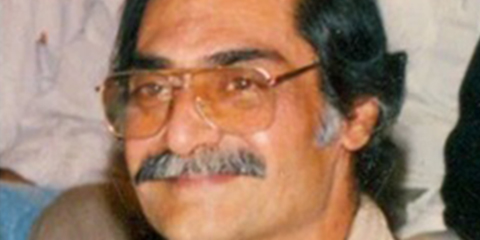
Yawar Hayat (1943-2016)
Born on October 18, 1943, Yawar Hayat is celebrated as one of the chief architects of Pakistan Television (PTV). The son of Brigadier Azmat Hayat Khan, he was the grandson of Sir Sikandar Hayat Khan
Hameed Nizami (1915-1962)
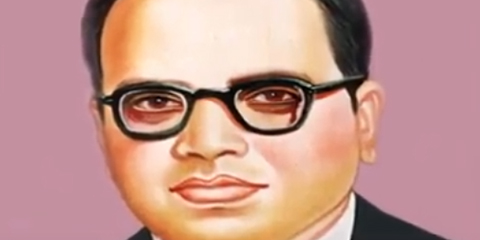
Hameed Nizami was an eminent journalist. He was the founder of the Urdu newspaper Nawa-i-Waqt, and played an important role in the Pakistan Movement. He was born on October 3, 1915 at Sangla Hill

Asaf Jilani
Asaf Jilani was born in Aligarh in 1934. He got his primary education at Jamia Millia Islamia in Delhi where Dr. Zakir Hussain was Shaikh ul Jamia. Dr. Hussain later became the third President of
Newsroom

Pele to Messi: How World Cup finals wrote football's greatest story
June 15, 2026 From Pele to Messi, World Cup finals shaped football's global story, tracing triumphs and heartbreaks and showing how the game became a shared language.

Press freedom review: From jail cells to cyberspace, threats to journalists multiply
June 14, 2026 Press freedom faces mounting challenges worldwide as journalists confront arrests, legal pressure, cyberattacks, online harassment, deportations, and reporting restrictions across multiple countries.

The right to know: Comparing access-to-information laws across Asia
June 14, 2026 Across Asia, RTI laws range from effective tools for journalism and accountability to paper laws weakened by bureaucracy, broad exemptions and poor enforcement.

Open-Source Intelligence (OSINT): How journalists verify information in the digital age
June 14, 2026 OSINT helps journalists verify social media, photos, videos, maps and public records to improve reporting accuracy and detect misinformation.
Ethiopia expels French journalist after Tigray reporting
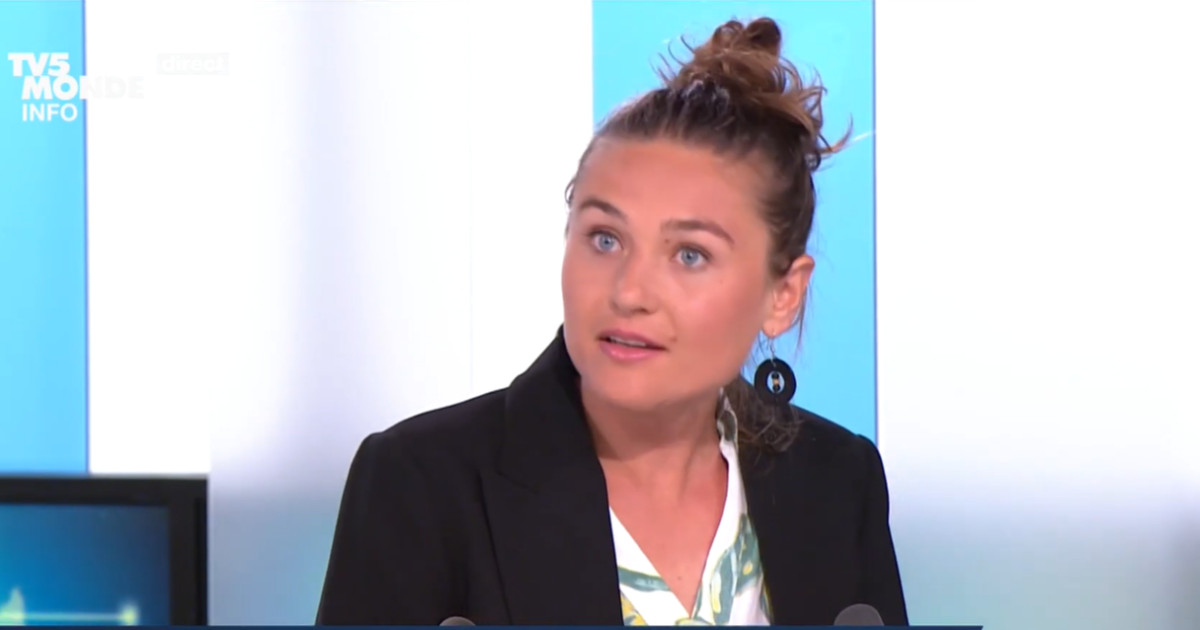
June 13, 2026 Ethiopia expelled French reporter A. Passilly after Tigray reporting, drawing criticism from press groups as retaliatory and damaging to press freedom.
Popular Stories

Why publishers want AI companies to pay
Jun 06, 2026