
Yawar Hayat (1943-2016)
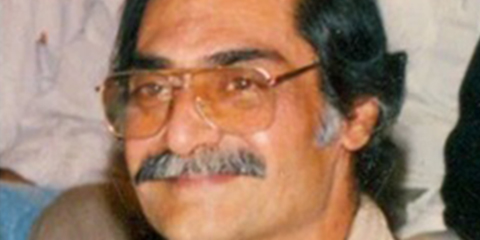
Born on October 18, 1943, Yawar Hayat is celebrated as one of the chief architects of Pakistan Television (PTV). The son of Brigadier Azmat Hayat Khan, he was the grandson of Sir Sikandar Hayat Khan and nephew of renowned film director Anwar Kamal Pasha. A graduate of Aitchison College, Yawar Hayat began his career with PTV in 1965 as a producer-director. His play "Jhok Siyaal" became a nationwide hit, setting the stage for his illustrious career.
Throughout the 1980s and 1990s, he produced many acclaimed PTV plays, including "Samundar," "Nasheman," "Dehleez," "Sahil," and "Gumshuda." His other notable works included "Farar," "Goonj," "Qila Kahani," "Lamp Post," "Jheel," "Jazeera," "Parwaz," "Zanjeer," and "Hisaab." Writer Mustansar Hussain Tarar remarked, "With the departure of Yawar Hayat, a creative era of production and direction has come to an end. He was an excellent conversationalist and had a profound influence on anyone who met him."
In 1998, Yawar Hayat received the award for Best PTV Producer. After a long and distinguished career, he retired from PTV in 2004. Yawar Hayat passed away in November 2016, leaving a legacy of excellence in television production and direction.
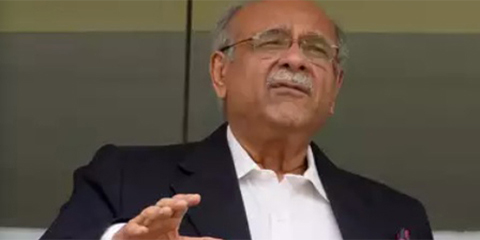
Najam Sethi
Najam Sethi is an award-winning journalist and media personality. He is the Editor-in-Chief of The Friday Times, a Lahore-based political weekly. He was previously the Editor of Daily Times and
Zafar Iqbal Mirza
In the preface of Last Man, a compilation of his columns, Zafar Iqbal Mirza remembers his more than 42 years in journalism as "well and truly through the mill." His Lahori columns are a window
Minhaj Barna (1925-2011)
The death of Minhaj Barna in Rawalpindi at the age of 87 on January 14, 2011 marked the end of an era.Even journalists who had never met him in person were familiar with his name and his

Ardeshir Cowasjee (1926-2012)
Businessman, philanthropic and outspoken columnist, Ardeshir Cowasjee was regarded as an 'old guardian' of Karachi city. Cowasjee belonged to a well-known Parsi family of Karachi
F.E. Choudhry (1909-2013)
Affectionately known as Chacha in the journalist community, F. E. Choudhry is credited to have introduced innovative features to photojournalism, such as cricket action photography, pictorial and
Altaf Gauhar (1923-2000)
Altaf Gauhar was a man of extraordinary versatility, charm and intelligence. He was born in Gujranwala and received his education from the Government College, Lahore, after which he joined All-India Radio

Inam Aziz (-1993
Inam Aziz was one of Pakistan's best known journalists who began his long career in the profession with an Urdu daily in Lahore soon after independence. He worked in Peshawar for another newspaper
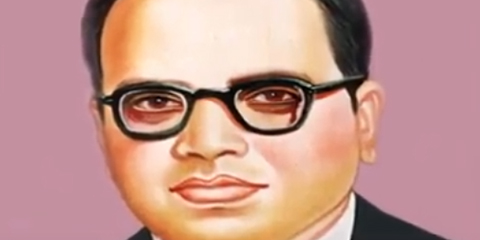
Hameed Nizami (1915-1962)
Hameed Nizami was an eminent journalist. He was the founder of the Urdu newspaper Nawa-i-Waqt, and played an important role in the Pakistan Movement. He was born on October 3, 1915 at Sangla Hill
Newsroom

Pele to Messi: How World Cup finals wrote football's greatest story
June 15, 2026 From Pele to Messi, World Cup finals shaped football's global story, tracing triumphs and heartbreaks and showing how the game became a shared language.

Press freedom review: From jail cells to cyberspace, threats to journalists multiply
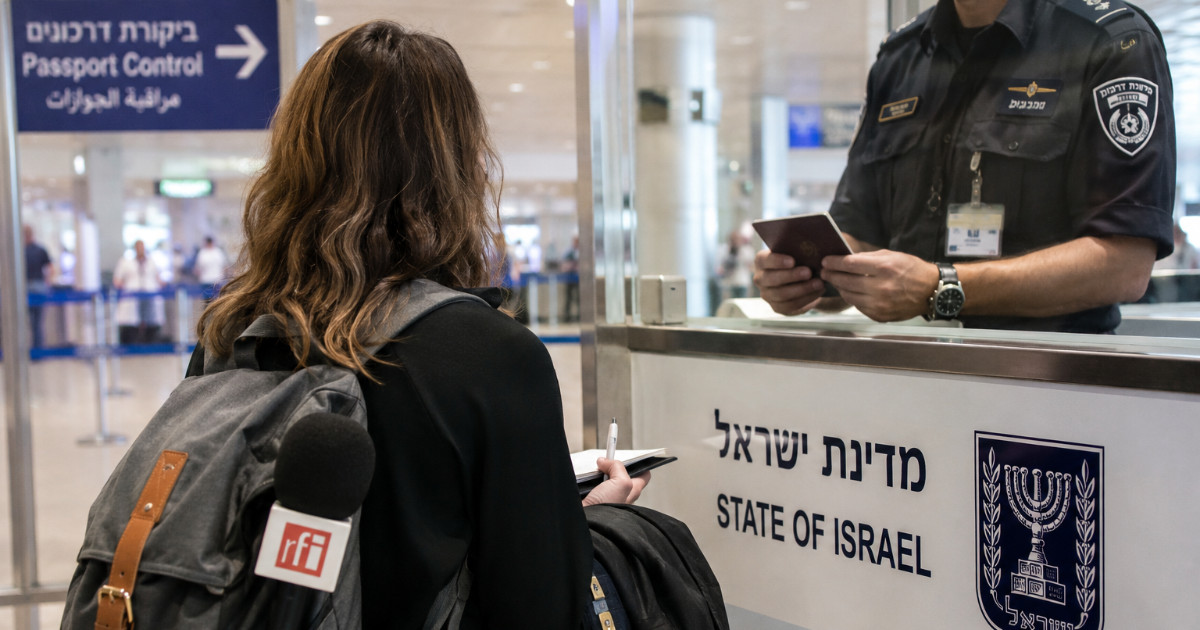
June 14, 2026 Press freedom faces mounting challenges worldwide as journalists confront arrests, legal pressure, cyberattacks, online harassment, deportations, and reporting restrictions across multiple countries.

The right to know: Comparing access-to-information laws across Asia
June 14, 2026 Across Asia, RTI laws range from effective tools for journalism and accountability to paper laws weakened by bureaucracy, broad exemptions and poor enforcement.

Open-Source Intelligence (OSINT): How journalists verify information in the digital age
June 14, 2026 OSINT helps journalists verify social media, photos, videos, maps and public records to improve reporting accuracy and detect misinformation.
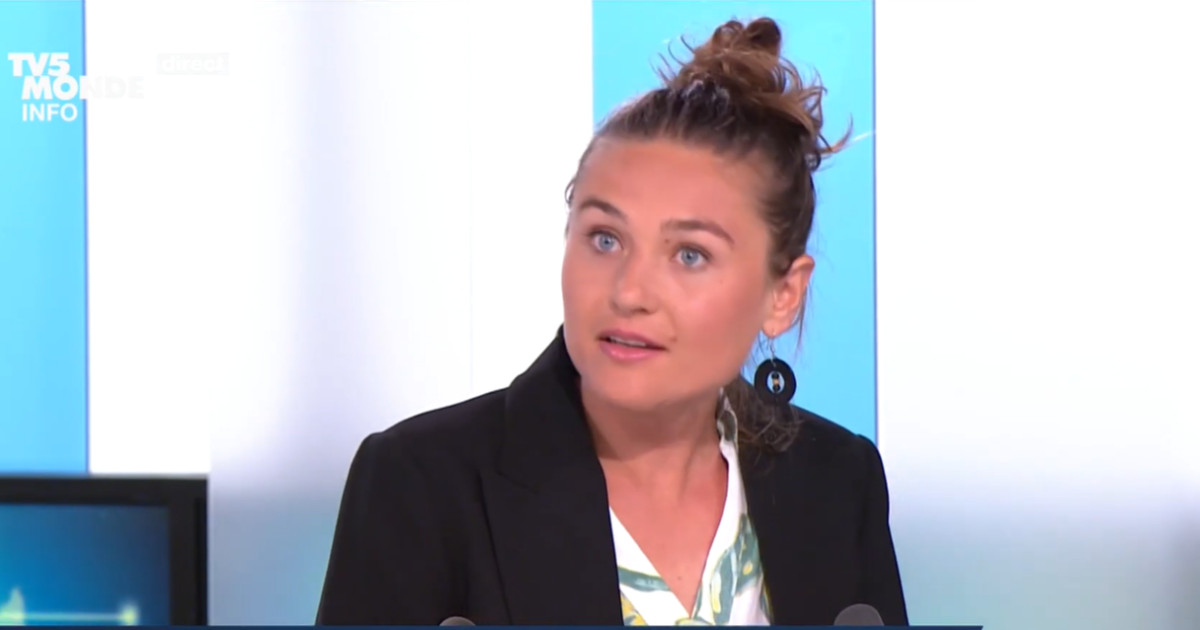
Ethiopia expels French journalist after Tigray reporting
June 13, 2026 Ethiopia expelled French reporter A. Passilly after Tigray reporting, drawing criticism from press groups as retaliatory and damaging to press freedom.
Popular Stories

Why publishers want AI companies to pay
Jun 06, 2026