
Governments expand tools to control news
JournalismPakistan.com | Published: 6 February 2026 | JP Staff Report
Join our WhatsApp channel
An Economist editorial warns governments in democracies are using licensing, defamation, national security and digital rules to curb critical reporting. Economic strain and ownership concentration weaken independent outlets, a trend seen in parts of Asia.Summary
ISLAMABAD — An editorial published by The Economist has warned that press freedom is eroding worldwide as corrupt political actors exploit weakened institutional safeguards to expand control over media ecosystems.
The publication argues that in both established and emerging democracies, regulatory overreach, politicized legal systems, and economic pressure on independent outlets are contributing to a steady decline in media autonomy. The trend, it notes, is not confined to one region but reflects a broader structural shift in how power is exercised over information flows.
Political pressure and regulatory expansion
According to the editorial, governments are increasingly using formal mechanisms such as media licensing regimes, defamation laws, national security statutes, and digital platform regulations to constrain critical reporting. While such tools are often justified as necessary for public order or combating misinformation, the piece contends that they can be selectively enforced to target independent or investigative journalism.
Asia is referenced as part of this wider pattern, with several countries in the region experiencing expanded regulatory frameworks governing digital news platforms, foreign funding of media organizations, and online content moderation. The editorial frames these developments as strategically significant, especially where checks and balances are already fragile.
Economic fragility and ownership concentration
Beyond legal and regulatory measures, The Economist highlights the economic vulnerabilities facing news organizations. Shrinking advertising revenues, dependence on state-linked funding, and consolidation of media ownership can weaken editorial independence and make outlets more susceptible to political influence.
The editorial also emphasizes the growing role of digital platforms in shaping access to news. Algorithmic distribution systems and content moderation policies, while operated by private companies, have a substantial public impact. In environments where political pressure intersects with platform governance, independent reporting can face additional indirect constraints.
The piece concludes that safeguarding press freedom requires resilient institutions, transparent regulatory systems, and diversified revenue models for newsrooms. Without these, it argues, media systems risk gradual capture rather than sudden shutdowns, making erosion harder to detect but equally consequential.
WHY THIS MATTERS: The analysis underscores how regulatory expansion and economic pressure can gradually narrow editorial space without outright bans or closures. For Pakistani journalists and media organizations, it highlights the importance of institutional safeguards, diversified revenue streams, and vigilance in tracking policy shifts that may reshape newsroom autonomy.
ATTRIBUTION: Information based on an editorial published by The Economist.
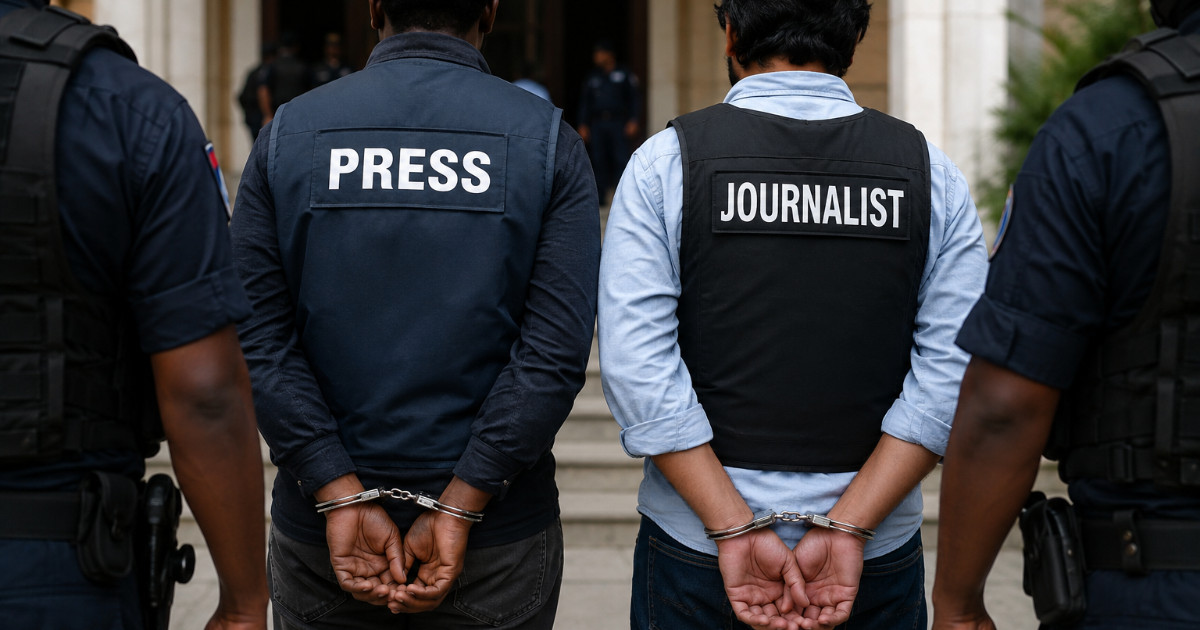
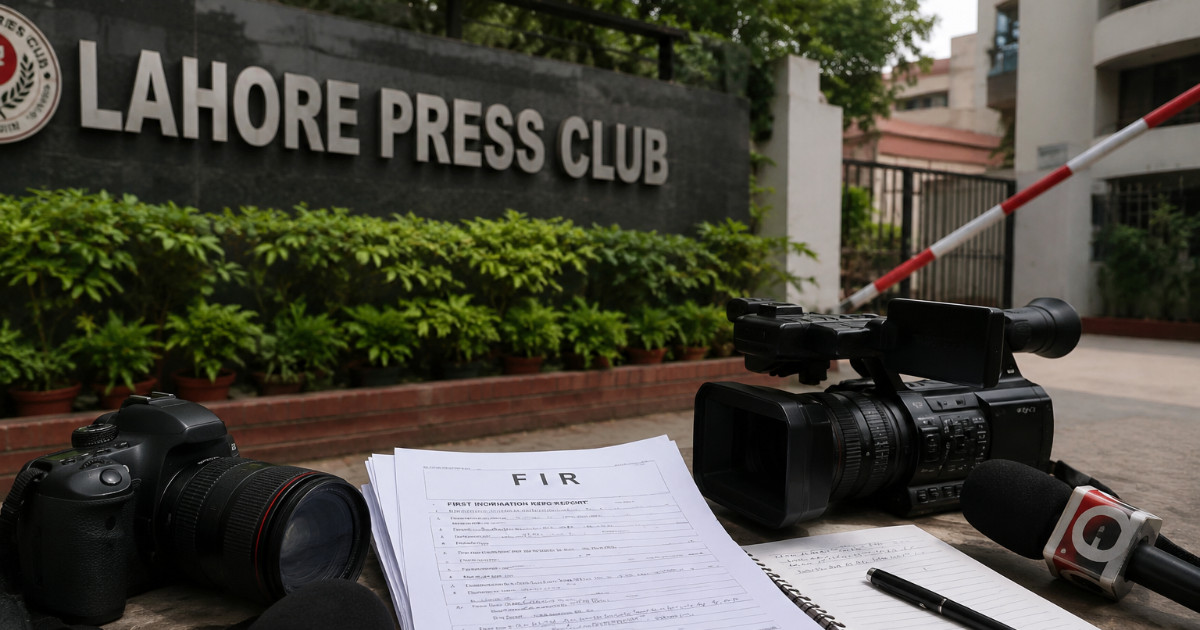
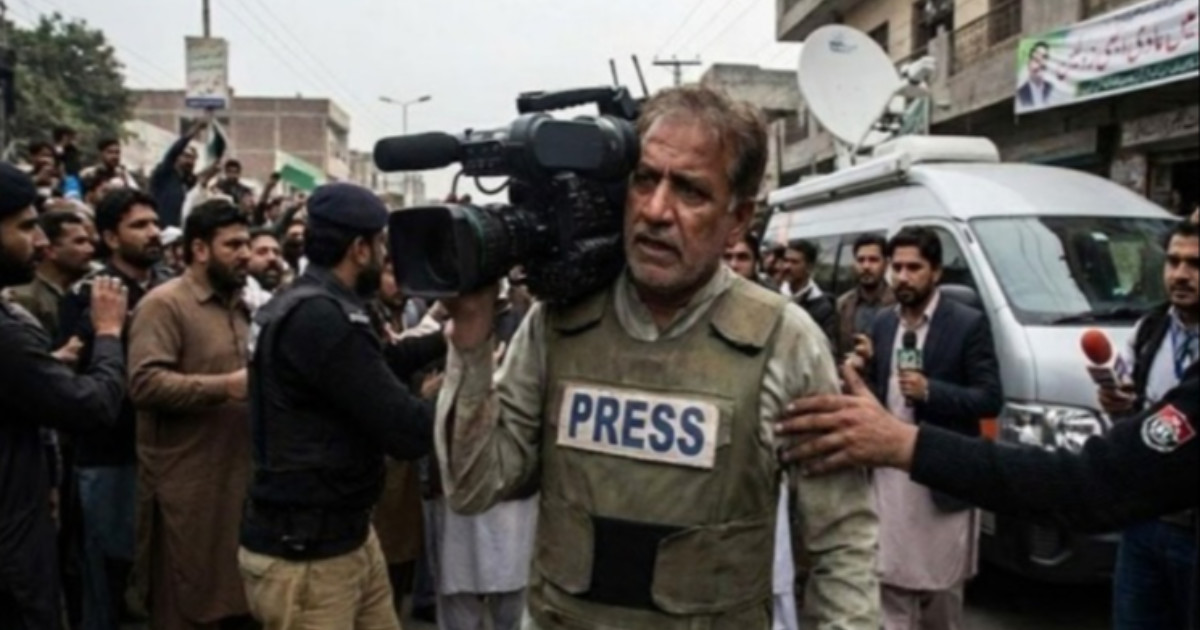
PHOTO: AI-generated; for illustrative purposes only.
Key Points
- The Economist warns of a global erosion of press freedom as political actors expand control.
- Governments increasingly deploy licensing, defamation, national security and digital rules to constrain critical reporting.
- The editorial highlights Asia as a region where regulatory frameworks and limits on foreign funding are expanding.
- Shrinking advertising revenue and ownership concentration create economic fragility for independent outlets.
- Selective enforcement and economic pressure disproportionately target investigative and critical journalism.
Relevant Topics
Ask AI: Understand this story your way
AI EnabledDig deeper, ask anything — get instant context, background, and clarity.
Disclaimer: This feature is powered by AI and is intended to help readers explore and understand news stories more easily. While we strive for accuracy, AI-generated responses may occasionally be incomplete or reflect limitations in the underlying model. This feature does not represent the editorial views of JournalismPakistan. For our full, verified reporting, please refer to the original article.