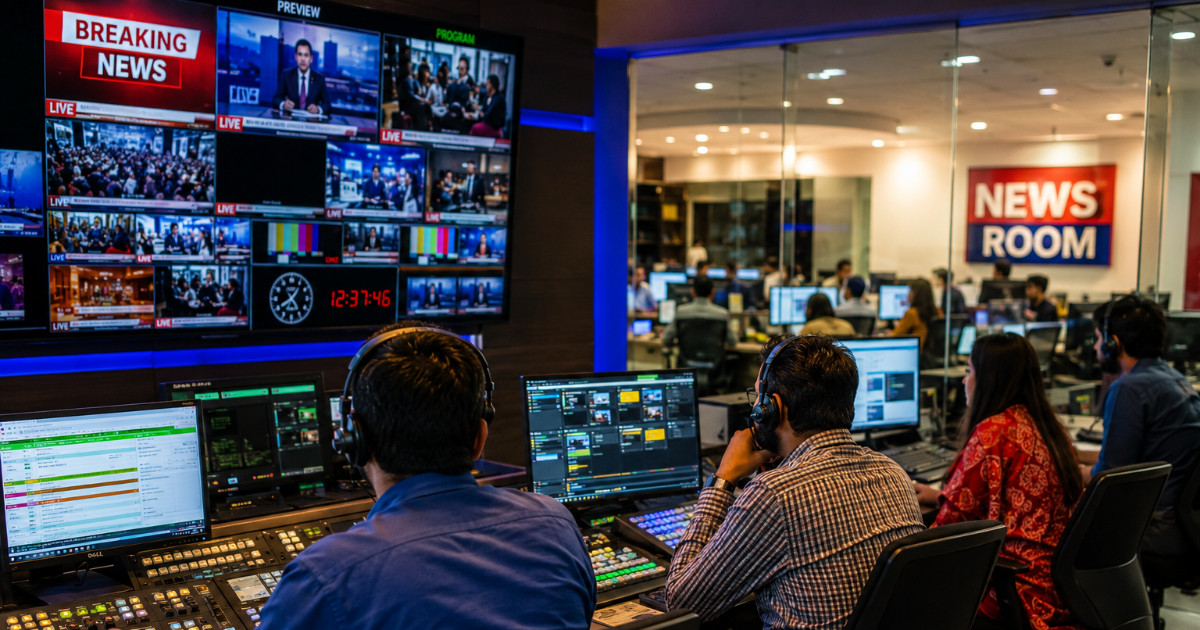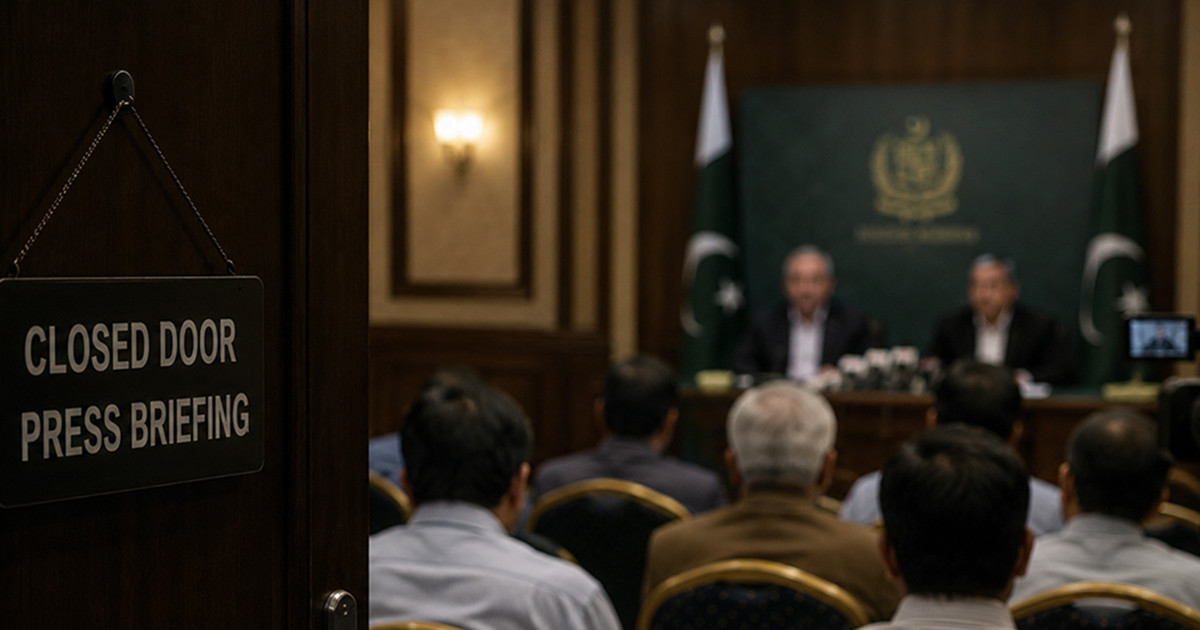

Government includes three working journalists on committee
JournalismPakistan.com | Published: 17 January 2015
Join our WhatsApp channel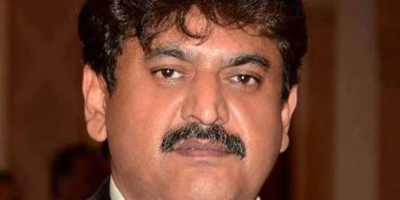
The Pakistani government has appointed three working journalists to a committee focusing on national media policy against terrorism. This decision comes after pressure from journalism organizations to include their perspectives in the policy formation process.Summary
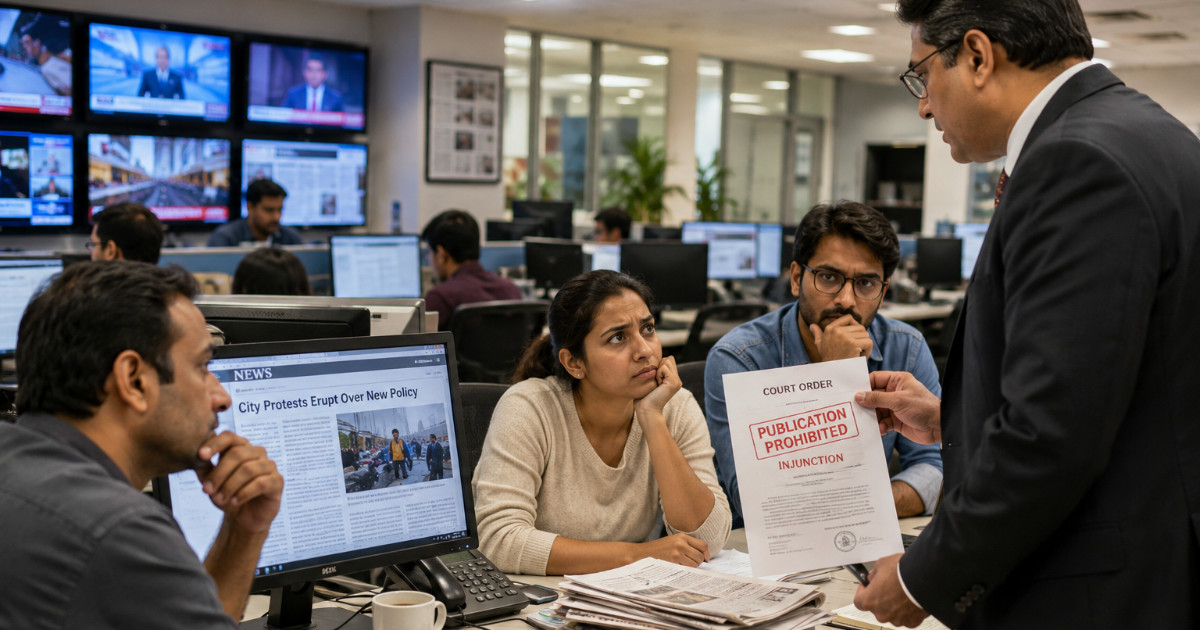
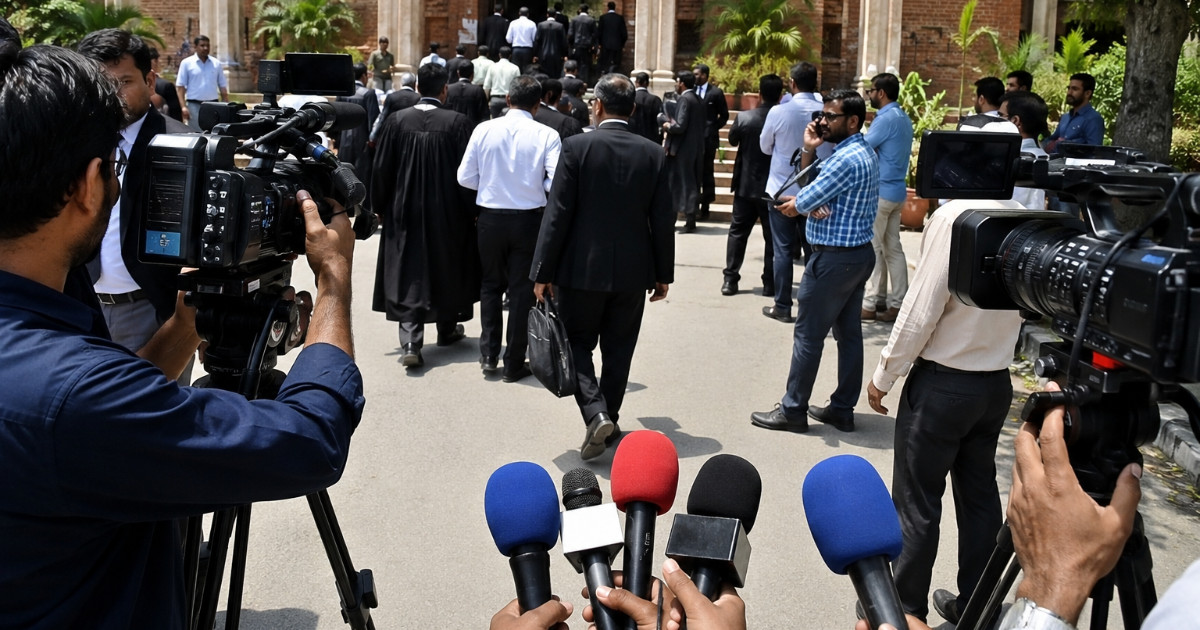
ISLAMABAD: The government has included three representatives of working journalists on the committee that is working on formulation of a national media policy against terrorism.
Farooq Faisal Khan (pictured), Mazhar Abbas and Raja Asghar have been named as the representatives to participate in the meeting. Pakistan Federal Union of Journalists and Council of Pakistan Press Clubs have been pressuring the government to include working journalists on the committee to take their input on the policy.
Talking to JournalismPakistan.com, PFUJ President Afzal Butt said the government was taking only media owners into confidence on the media policy; therefore they were planning to demonstrate against the government in front of the Parliament House.
“The government has conceded to our demands and that’s why we have postponed our protest for the time being,” he said.
Earlier, the government only invited representatives of Council of Pakistan Newspapers Editors, All Pakistan Newspaper Society and Pakistan Broadcasting Association for their input on the media policy.
“It’s unfair that media owners will give their input to the government to formulate the policy regarding working journalists,” he said.
Butt said that once the government comes up with a legislation or formal code of conduct for the media, working journalists like reporters and photographers may become victim of it.
A crucial meeting on formulation of the media policy against terrorism is being held at Prime Minister House today (January 17). Farooq Faisal and Raja Asghar would attend while Mazhar Abbas woundn't be able to do so for being in Karachi.
Key Points
- Three journalists added to media policy committee
- Pressure from Pakistan Federal Union of Journalists
- Meeting at Prime Minister House on January 17
- Concerns over media owners dominating discussions
- Postponement of protests against the government
Relevant Topics
Ask AI: Understand this story your way
AI EnabledDig deeper, ask anything — get instant context, background, and clarity.
Disclaimer: This feature is powered by AI and is intended to help readers explore and understand news stories more easily. While we strive for accuracy, AI-generated responses may occasionally be incomplete or reflect limitations in the underlying model. This feature does not represent the editorial views of JournalismPakistan. For our full, verified reporting, please refer to the original article.