
Ghana journalist appeals ruling limiting investigative reporting
JournalismPakistan.com | Published: 20 January 2026 | JP Global Monitoring Desk
Join our WhatsApp channel
Journalist Innocent Appiah appealed to the Court of Appeal on January 12, 2026, contesting the November 7, 2025 High Court judgment by Justice Nana Brew for allegedly misapplying the Data Protection Act. Critics warn it could chill investigative reporting.Summary
ACCRA, Ghana — Ghanaian investigative journalist Innocent Samuel Appiah has filed a formal appeal against a controversial High Court ruling that critics say misinterprets the Data Protection Act to grant excessive privacy protections that could stifle legitimate public‑interest journalism.
The appeal, lodged with the Court of Appeal on January 12, 2026, challenges the November 7, 2025 judgement delivered by Justice Nana Brew in the Human Rights Division of the High Court. Legal observers have described the original decision as a threat to press freedom and to the constitutional guarantee of media independence.
In his notice of appeal, Mr. Appiah argues that the High Court erred in concluding that Ghana’s Data Protection Act creates an absolute bar to publishing information, even when it is of significant public interest. The appeal contends that the trial court’s approach misapplied the law and failed to consider established legal principles that balance privacy rights with the public’s right to know.
Concerns over legal interpretation and press freedom
Critics, including the Ghana Journalists Association, have warned that the High Court’s interpretation could chill investigative reporting by effectively giving individuals and corporations a blanket privacy shield to block disclosure of information that might otherwise be in the public interest. At a press event organized by the GJA, the association’s president said the ruling undermined the constitutional role of the media as a watchdog and threatened democratic accountability.
The appeal further asserts that the original case involved procedural shortcomings, including a failure by the plaintiff, businesswoman Cynthia Adjei, to clearly articulate how her privacy was violated or to present evidence showing such a violation. Appiah’s legal team maintains that these deficiencies should have led to dismissal of the claim and that the lack of evidence undermines the High Court’s reasoning.
Potential impact on media and accountability
Legal experts and press freedom advocates warn that if the Court of Appeal upholds the High Court’s ruling, it could set a troubling precedent not only in Ghana but across Africa, where media practitioners frequently navigate tensions between privacy protections and reporting on matters of public concern. The Private Newspapers and Online News Publishers Association of Ghana has condemned the injunction as a prior restraint and urged support for the appeal to protect the public’s right to know.
The original High Court ruling restrained Mr. Appiah from publishing any investigative findings about Ms. Adjei or her business interests, imposed costs against him, and suggested that journalists should refer potentially sensitive information to state security agencies rather than publish independently. Critics argue that such directives conflict with constitutional protections for freedom of expression and press independence.
As the case progresses, stakeholders in Ghana’s legal and media sectors will be watching closely to see whether the Court of Appeal will reaffirm a balanced interpretation of data protection law that accommodates legitimate public interest reporting or whether it will endorse a more restrictive approach. The outcome is likely to influence broader debates on privacy, transparency, and democratic governance.
ATTRIBUTION: Reporting from Ghana Business News and multiple Ghana media outlets.
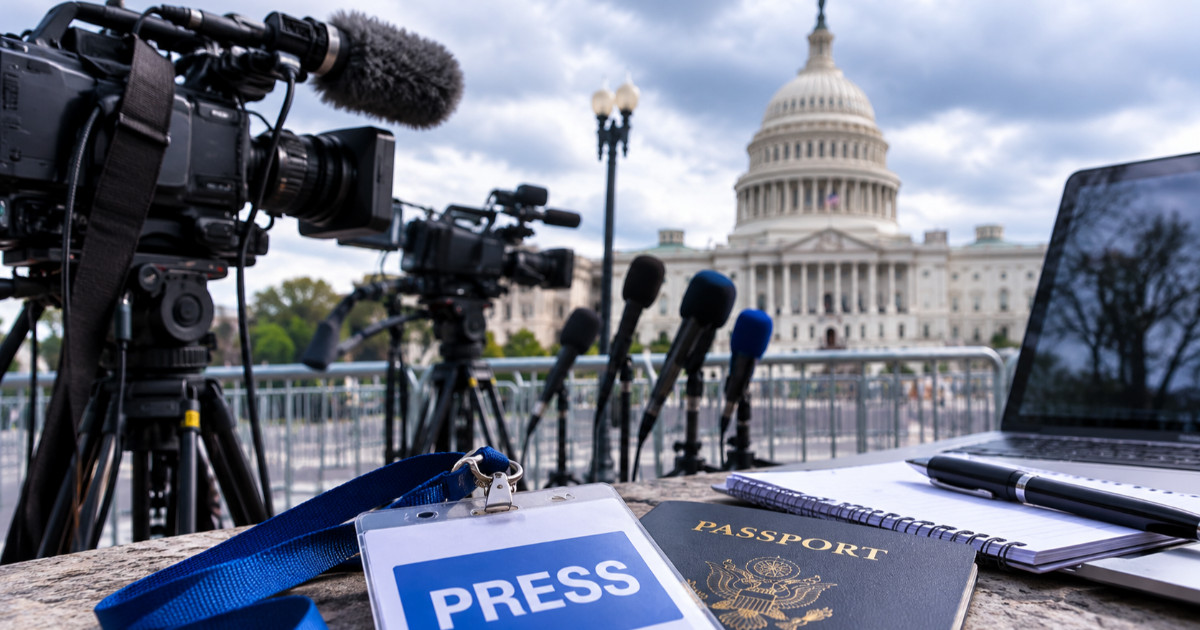
PHOTO: AI‑generated; for illustrative purposes only
Key Points
- Appeal lodged at the Court of Appeal on January 12, 2026 challenging the November 7, 2025 High Court judgment.
- Judgment by Justice Nana Brew in the Human Rights Division is accused of misinterpreting the Data Protection Act.
- Appiah argues the ruling wrongly creates an absolute bar on publishing information of public interest.
- Ghana Journalists Association and legal observers warn the decision could chill investigative reporting.
- Critics say the interpretation threatens media independence and the constitutional watchdog role.
Ask AI: Understand this story your way
AI EnabledDig deeper, ask anything — get instant context, background, and clarity.
Disclaimer: This feature is powered by AI and is intended to help readers explore and understand news stories more easily. While we strive for accuracy, AI-generated responses may occasionally be incomplete or reflect limitations in the underlying model. This feature does not represent the editorial views of JournalismPakistan. For our full, verified reporting, please refer to the original article.