.png)
Bangladesh journalists fear heightened threats ahead of 2026 polls
JournalismPakistan.com | Published: 19 January 2026 | JP Asia Desk
Join our WhatsApp channel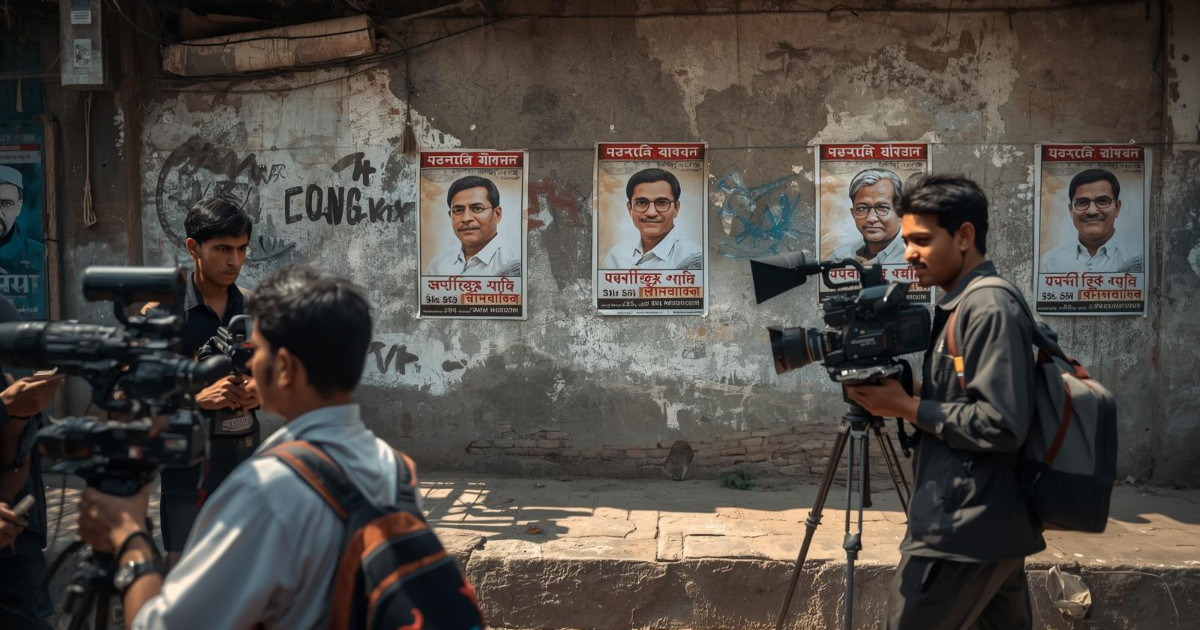
A January study warns Bangladeshi journalists anticipate increased physical and online threats ahead of the 2026 elections, and finds major gaps in safety training, digital security and emergency protocols that leave freelancers and rural reporters vulnerable.Summary
DHAKA — Journalists in Bangladesh are bracing for increased physical and digital risks as the country approaches its 2026 national elections, according to a study released January 18 that examines newsroom preparedness and reporter safety during politically charged periods.
The research finds that many journalists expect a rise in intimidation, harassment, and online surveillance during the election cycle, reflecting long-standing concerns about press freedom during periods of heightened political polarization. Respondents cited prior election experiences and the current political climate as key drivers of their risk assessments.
Safety gaps and training shortfalls
The study highlights significant gaps in safety preparedness across news organizations, including limited access to hostile environment training, weak digital security practices, and the absence of clear emergency response protocols. Researchers note that freelance reporters and those working outside major urban centers are particularly vulnerable due to limited institutional support.
Beyond individual risks, the analysis points to structural challenges within the media sector, such as resource constraints and inconsistent safety policies, which reduce the ability of outlets to protect staff during volatile reporting assignments. The findings emphasize that preparedness levels vary widely among organizations.
Election-period risks for press freedom
The study situates these concerns within broader patterns observed during previous election cycles, when journalists reported increased pressure, threats, and obstacles to newsgathering. While the research does not document specific incidents tied to the upcoming vote, it underscores a widely held expectation of elevated risk during the campaign period.
Researchers argue that proactive measures are essential to prevent harm and maintain robust election coverage. They recommend coordinated action by media owners, editors, and relevant authorities to strengthen safety training, improve digital protection, and establish clear emergency procedures before the campaign intensifies.
The report adds empirical weight to ongoing warnings from press freedom advocates that election periods in Bangladesh pose heightened challenges for independent journalism. Documenting journalists’ expectations and preparedness levels, it provides data-driven context for policy discussions on safeguarding reporters during democratic processes.
ATTRIBUTION: Based on findings from a research study released January 18 examining journalist safety and election-related risks in Bangladesh, along with contextual reporting from press freedom and media safety organizations.
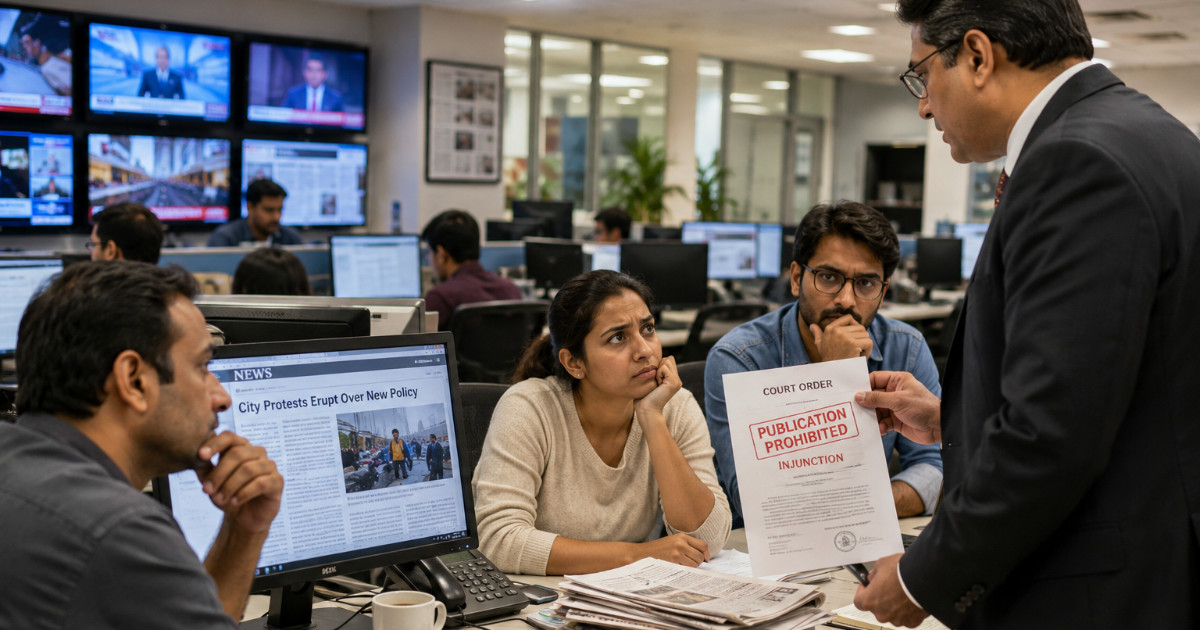
PHOTO: AI-generated; for illustrative purposes only
Key Points
- Journalists expect rising intimidation, harassment and online surveillance during the 2026 election cycle.
- Significant shortfalls exist in hostile-environment training and newsroom digital security practices.
- Freelancers and reporters outside major urban centres lack institutional support and face greater risk.
- Media outlets show uneven preparedness due to resource constraints and inconsistent safety policies.
- Researchers link heightened risks to political polarization and experiences from past elections.
Relevant Topics
Ask AI: Understand this story your way
AI EnabledDig deeper, ask anything — get instant context, background, and clarity.
Disclaimer: This feature is powered by AI and is intended to help readers explore and understand news stories more easily. While we strive for accuracy, AI-generated responses may occasionally be incomplete or reflect limitations in the underlying model. This feature does not represent the editorial views of JournalismPakistan. For our full, verified reporting, please refer to the original article.