
Global press freedom deteriorates a decade after Rezaian's release
JournalismPakistan.com | Published: 16 January 2026 | JP Global Monitoring Desk
Join our WhatsApp channel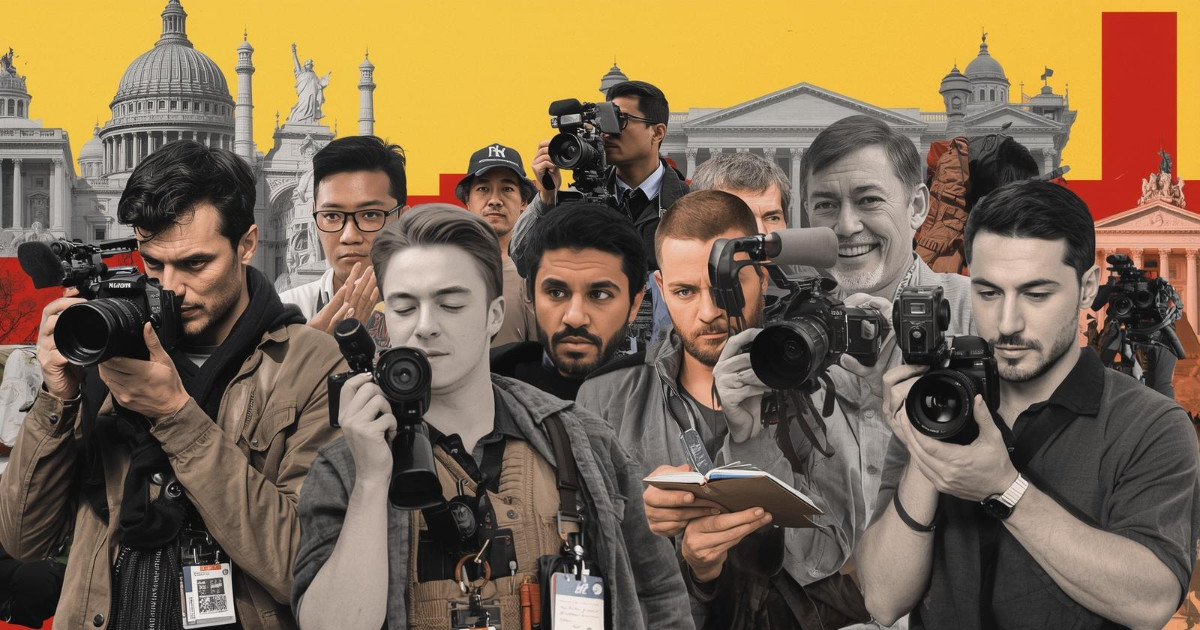
On the tenth anniversary of Jason Rezaian's release, a Washington Post analysis and CPJ data document a sustained global decline in press freedom and a sharp increase in journalist imprisonments, with 361 jailed worldwide as of Dec. 1, 2024.Summary
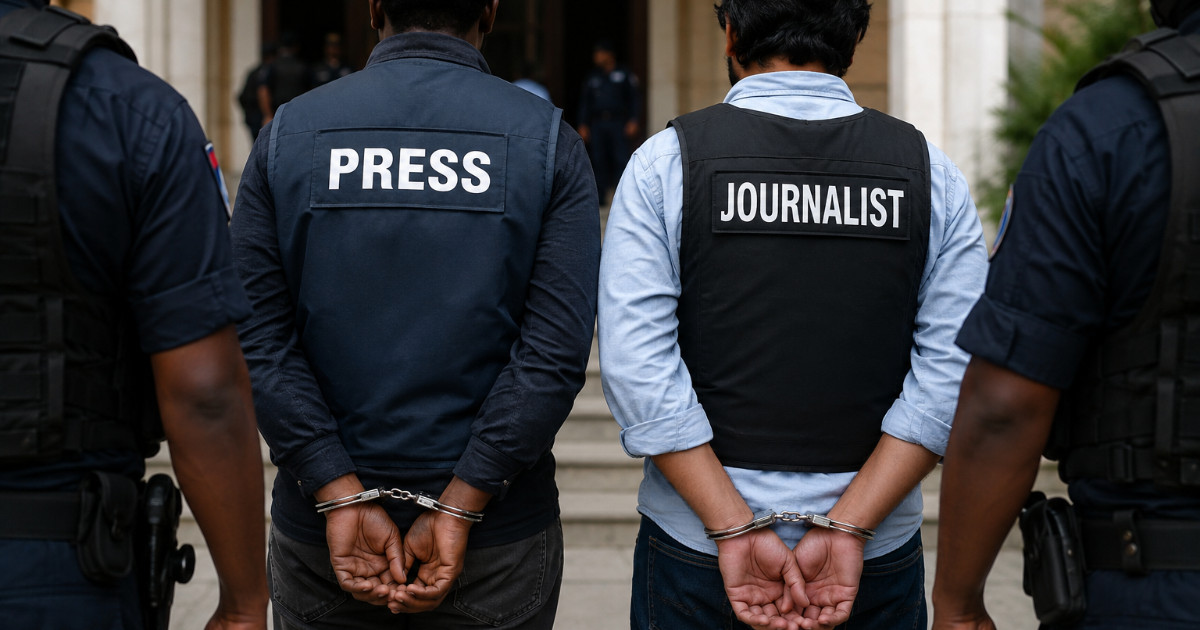
WASHINGTON — A Washington Post analysis marking a decade since journalist Jason Rezaian’s release from an Iranian prison shows press freedom has weakened markedly around the world, with the imprisonment of journalists rising sharply in many regions. Rezaian, a former Tehran bureau chief for The Washington Post, was unjustly detained in Iran for 544 days before his release in January 2016 as part of a prisoner swap.
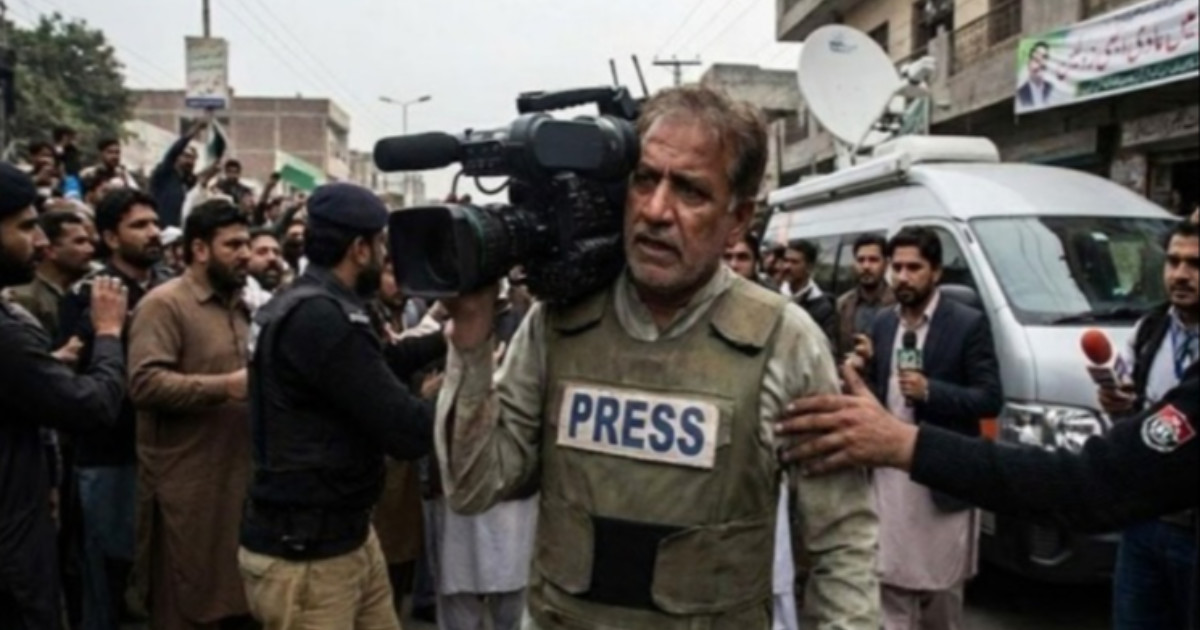
His case became emblematic of growing risks faced by journalists under authoritarian regimes and heightened concerns over due process for media workers. The anniversary has prompted renewed calls from press freedom advocates to address shrinking space for independent reporting and to hold governments accountable for detentions. Facts reported in the Washington Post analysis are corroborated by data from the Committee to Protect Journalists (CPJ) showing a substantial rise in imprisoned journalists worldwide.
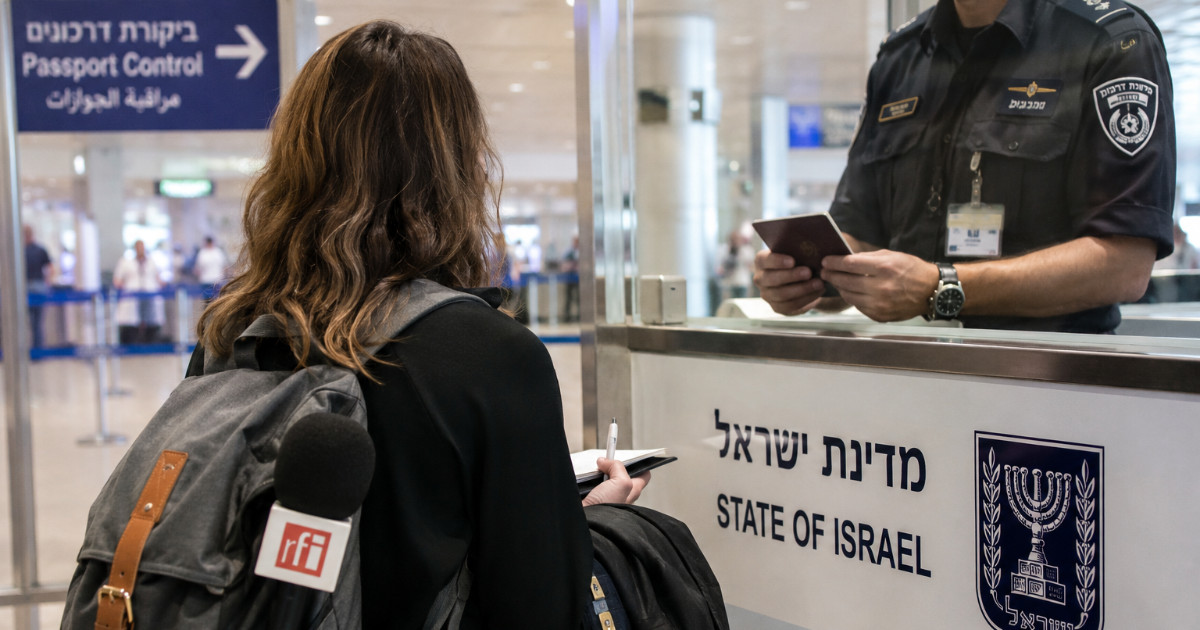
CPJ report data show that as of December 1, 2024, at least 361 journalists were jailed globally in connection with their work, the second-highest number on record since CPJ began counting in 1992. This compares with 199 journalists documented as imprisoned in 2016, reflecting a sustained upward trend in press freedom repression over the past decade. China, Israel, and Myanmar were among the leading jailers of journalists, with other states, including Belarus and Russia also contributing to the overall global total. Experts say that authoritarian powers increasingly employ broad anti-state or national security charges against journalists to deter independent reporting.
Press freedom advocates point to the use of detentions as leverage in geopolitical disputes and as a tool of political pressure. Rezaian’s imprisonment was widely viewed by observers as wrongful and part of a broader pattern of governments using trumped-up charges to suppress dissent and extract concessions, though CPJ’s global data focus on legal status and context of incarceration rather than specific political motivations. Even as Rezaian’s release was hailed at the time as a victory for diplomatic efforts and advocacy, many other journalists remain imprisoned without transparent legal proceedings.
Rising journalist imprisonments deepen global press freedom crisis
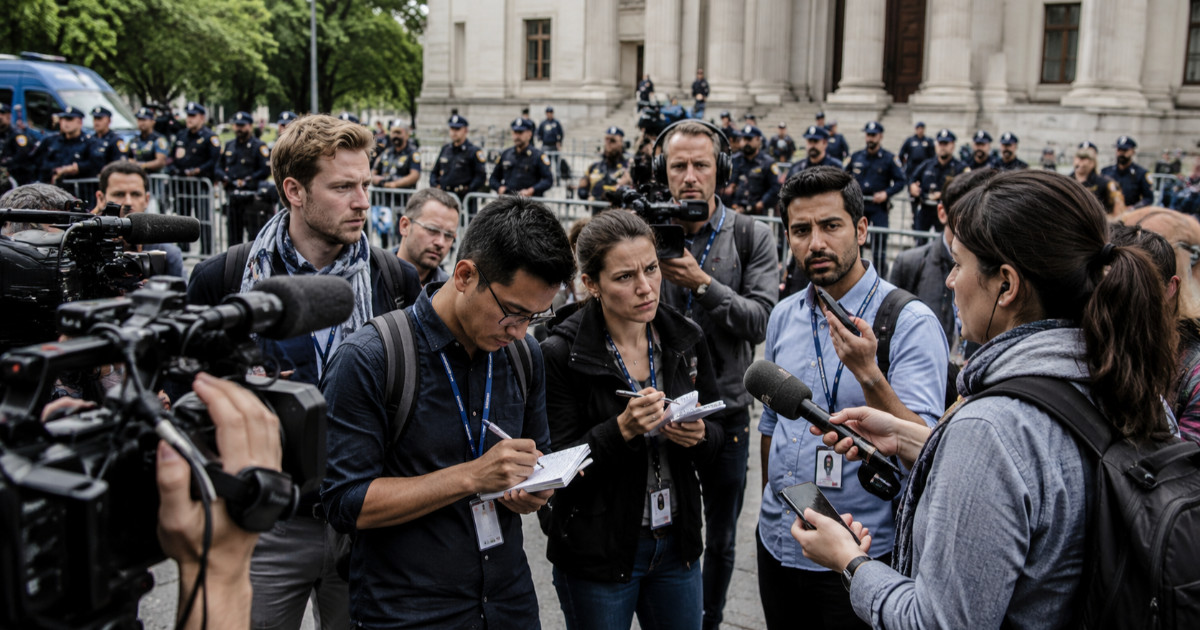
The increase in jailed journalists has drawn attention to systemic risks faced by the media in conflict zones and under repressive governments. In Asia, more than 30 percent of journalists behind bars are held in countries such as China, Myanmar, Vietnam, Afghanistan, Bangladesh, India, and the Philippines, where censorship and state control of information are pervasive and legal protections for reporters are weak. In the Middle East and North Africa, significant numbers are jailed in connection with conflicts and internal unrest, with multiple cases involving detentions without charge or prolonged pretrial detention.
Press freedom organizations emphasize that CPJ’s annual census provides a snapshot of those incarcerated on a given date and does not capture the full picture of journalists who may be arrested and released during the year, nor those who are missing or abducted outside state systems. The methodological scope underscores the challenge of tracking and responding to press freedom violations comprehensively.
Regional dynamics and international responses
In addition to authoritarian repression, professionals cite conflict-related pressures as drivers of journalist imprisonment. Israel’s detention of Palestinian journalists has raised specific concerns about due process and human rights standards, particularly when detentions are linked to ongoing hostilities. Other countries experiencing political or economic instability have seen rising numbers of journalists jailed amid crackdowns on dissent or coverage of sensitive issues.
Efforts to address these trends include advocacy by international bodies, legal support for detained reporters, and diplomatic engagement aimed at securing releases. However, analysts acknowledge that existing mechanisms, such as United Nations working groups or diplomatic channels, often lack enforcement power to compel governments to change practices or release journalists. The anniversary of Rezaian’s release has become a moment for press freedom defenders to underscore the importance of sustained international attention, legal safeguards, and solidarity with journalists operating under threat.
ATTRIBUTION: This article draws on reporting from The Washington Post and data from the Committee to Protect Journalists.
PHOTO: AI-generated; for illustrative purposes only
Key Points
- Anniversary marks ten years since Jason Rezaian's release from Iranian detention.
- A Washington Post analysis and CPJ data show a marked global decline in press freedom.
- CPJ recorded at least 361 journalists jailed worldwide as of Dec. 1, 2024, up from 199 in 2016.
- China, Israel and Myanmar are among the leading jailers, with Belarus and Russia also contributing.
- Experts say authoritarian governments use broad national security or anti-state charges to silence reporters.
Relevant Topics
Ask AI: Understand this story your way
AI EnabledDig deeper, ask anything — get instant context, background, and clarity.
Disclaimer: This feature is powered by AI and is intended to help readers explore and understand news stories more easily. While we strive for accuracy, AI-generated responses may occasionally be incomplete or reflect limitations in the underlying model. This feature does not represent the editorial views of JournalismPakistan. For our full, verified reporting, please refer to the original article.