
How to spot a credible news story in 2026
JournalismPakistan.com | Published: 19 January 2026 | JP Special Report
Join our WhatsApp channel
As audiences navigate a crowded 2026 information environment, credible news depends on AI-use disclosures, transparent sourcing, fact verification and clear labeling that separates reporting from opinion. Standards and media literacy guide assessment.Summary
ISLAMABAD — As audiences navigate an increasingly crowded information environment in 2026, determining whether a news story is credible has become more complex than it was a decade ago. The rise of generative artificial intelligence, platform-driven publishing, and hybrid content formats has blurred traditional signals of trust, even as professional journalism continues to adapt and set clearer standards.
For readers, students, and media professionals alike, credibility now depends less on brand recognition alone and more on visible practices that can be checked and verified. Media literacy researchers and journalism organizations increasingly emphasize observable signals that distinguish reporting from opinion, automation from human judgment, and verified information from unsubstantiated claims.
AI use is clearly disclosed and explained
One of the most significant changes by 2026 is the presence of AI-assisted reporting tools in news production. Credible news organizations now disclose when artificial intelligence has been used for tasks such as data analysis, transcription, translation, or image generation. These disclosures are typically placed within the story, in an editor’s note, or in a published AI use policy that readers can access.
Clear labeling does not weaken a story’s authority. Instead, it allows audiences to understand how information was gathered and processed, and whether human editorial oversight was involved. A lack of disclosure where AI use is evident can be a warning sign for readers assessing reliability.
Sources are transparent and verifiable
Credible reporting in 2026 places a stronger emphasis on linking directly to primary sources. These may include official documents, court filings, datasets, public statements, or original research. When links are not possible, reputable outlets explain why and describe the source material in specific terms.
This level of transparency allows readers to independently verify key facts. Vague references, missing documentation, or reliance on unnamed sources without explanation should prompt closer scrutiny, particularly for stories making significant claims.
Bylines reflect accountability and expertise
Named bylines remain a central credibility signal. In 2026, many newsrooms also link bylines to author profiles that outline a journalist’s beat, experience, and recent work. This helps readers evaluate whether a reporter has demonstrated subject-matter familiarity and a track record of responsible reporting.
Stories published without bylines or attributed only to a generic outlet name require additional caution. While some sensitive reporting may still justify anonymity, credible outlets explain those decisions rather than leaving authorship unclear.
Corrections and updates are visible
No newsroom is error-free, but credible organizations show how they handle mistakes. Corrections, clarifications, and update notes are clearly marked and preserved rather than quietly edited out. This practice signals editorial accountability and respect for readers.
In contrast, outlets that routinely revise content without disclosure make it difficult for audiences to know what has changed and why, undermining trust over time.
Reporting is clearly separated from opinion and sponsored content
By 2026, credible newsrooms draw sharper visual and editorial distinctions between factual reporting, commentary, and paid content. Opinion pieces are labeled as such, and sponsored material is clearly identified using plain language rather than ambiguous terms.
This separation helps readers understand the purpose of what they are reading and reduces confusion between independent journalism and advocacy or advertising. Blurring these lines remains one of the most common indicators of low editorial standards.
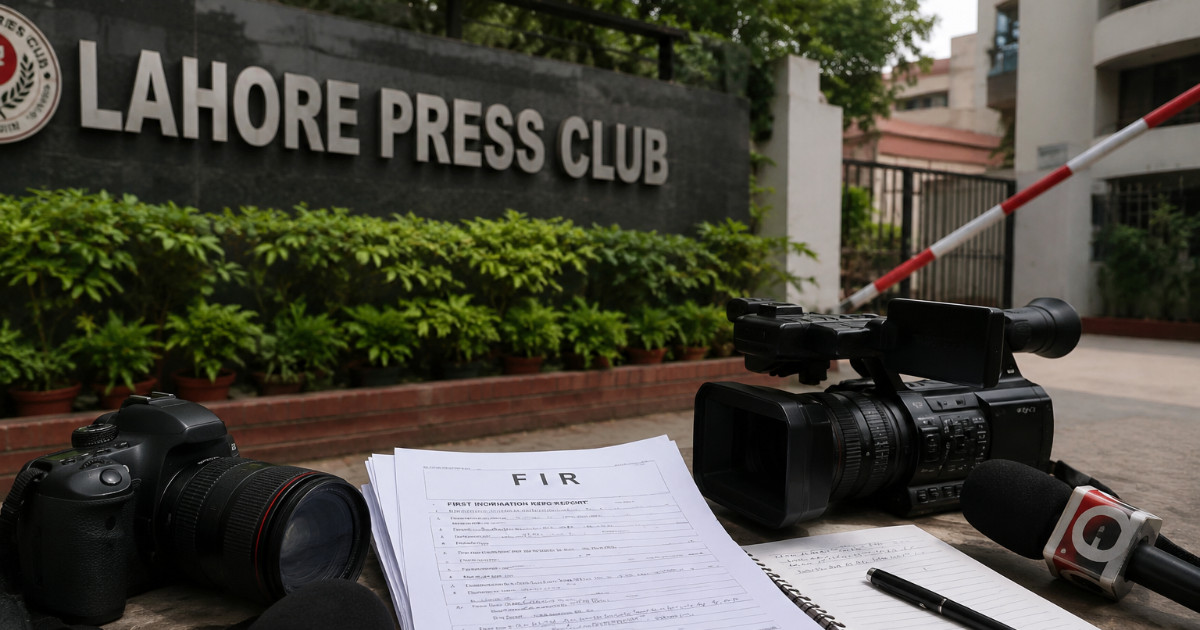
PHOTO: AI-generated; for illustrative purposes only.
Key Points
- AI use is disclosed and explained within stories or via published AI policies.
- Sources are transparent and verifiable, with attribution and evidence.
- Clear labeling distinguishes reporting from opinion and automated content.
- Human editorial oversight and verification practices are visible.
- Watch for platform-driven and hybrid formats that can blur trust signals.
Relevant Topics
Ask AI: Understand this story your way
AI EnabledDig deeper, ask anything — get instant context, background, and clarity.
Disclaimer: This feature is powered by AI and is intended to help readers explore and understand news stories more easily. While we strive for accuracy, AI-generated responses may occasionally be incomplete or reflect limitations in the underlying model. This feature does not represent the editorial views of JournalismPakistan. For our full, verified reporting, please refer to the original article.