.png)
The JournalismPakistan Global Media Brief | Edition 3 | January 16, 2026
JournalismPakistan.com | Published: 16 January 2026 | JP News Desk
Join our WhatsApp channel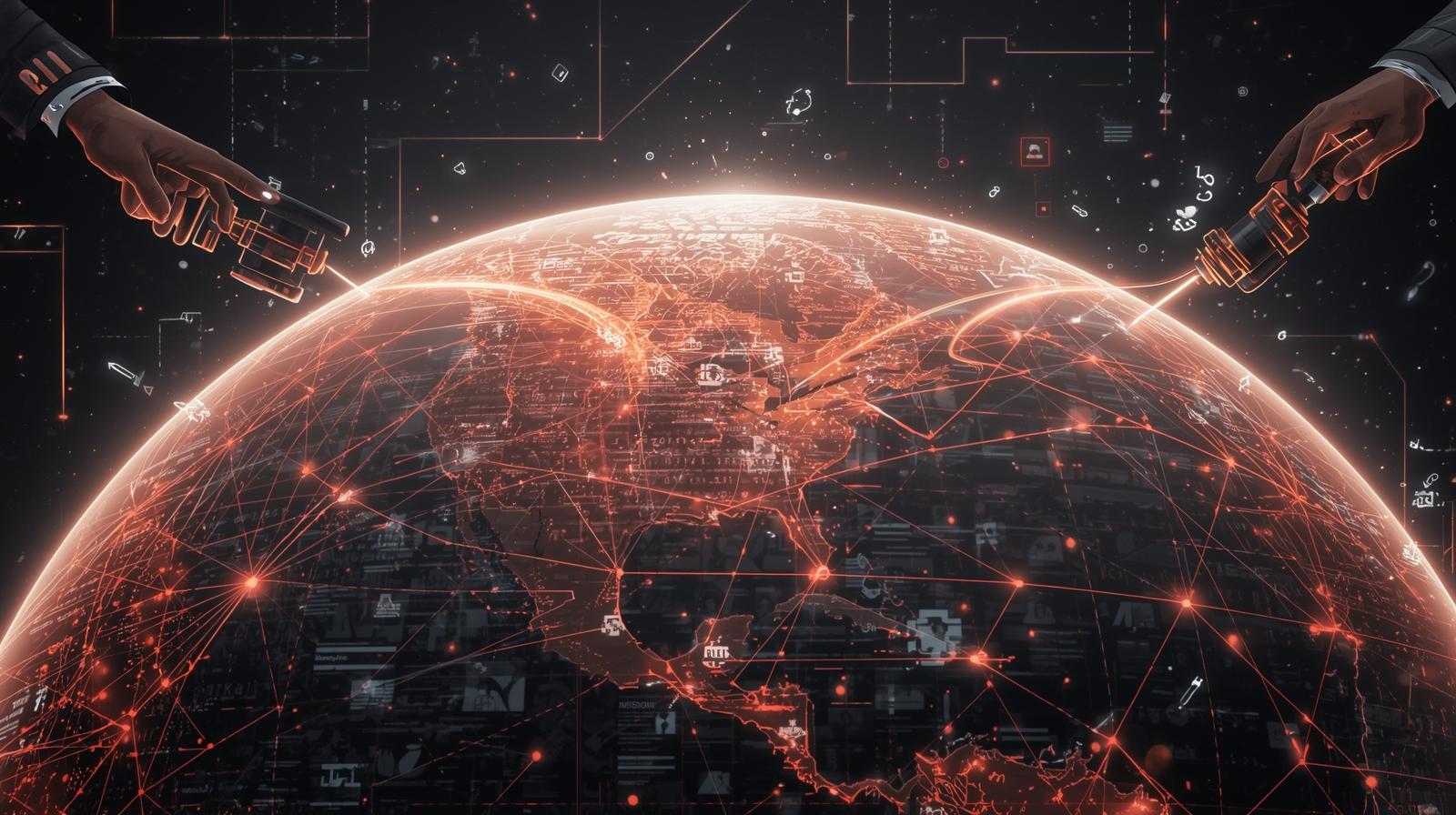
A weekly snapshot of key global media developments shaping journalism, press freedom, and digital news ecosystems.Summary
Editor's note
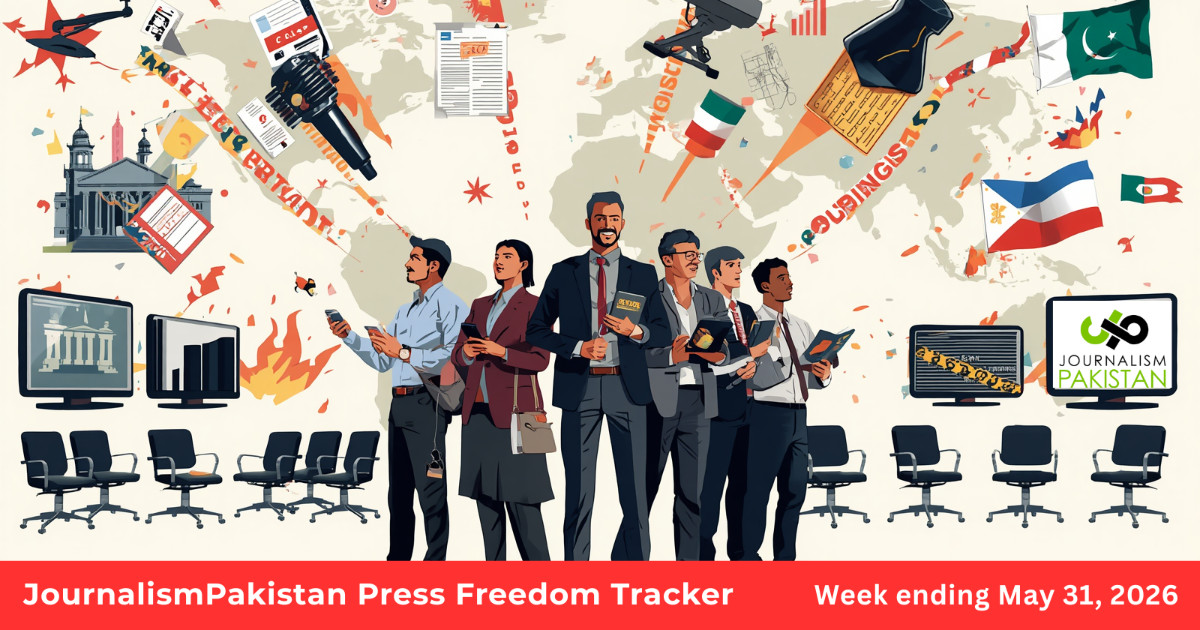
Welcome to the third edition of the Journalism Pakistan Global Media Brief. This weekly briefing tracks the forces reshaping press freedom, newsroom practices, and media governance worldwide. This edition highlights shifting centers of media power, growing legal and political pressure on journalists, and how platforms and technology are redefining who controls information flows.
Global media power shifts
Venezuelan editors in exile coordinate crisis reporting —Independent Venezuelan journalists working in exile have joined forces to cover their country’s political crisis from abroad, overcoming censorship and repression at home. A Reuters Institute report highlights how coordinated exile reporting fills gaps often missed by international observers.
Independent U.S. journalists reshape news influence — As U.S. newsrooms shrink, independent journalists are expanding their influence through newsletters, nonprofit outlets, and cooperative models. The shift reflects a broader redistribution of media power toward smaller, more agile news operations.
Reuters Institute flags mounting pressure on journalism in 2026 — A new Reuters Institute report warns that economic strain, political pressure, and rapid technological change will intensify challenges for newsrooms worldwide in 2026. Editors are urged to rethink sustainability, trust, and audience strategy.
Asia media watch
UNESCO warns South Korea’s fake news law risks press freedom — UNESCO has criticized South Korea’s new fake news law, warning that vague definitions and broad enforcement powers could chill independent journalism. The agency cautioned that regulation should not become a tool for censorship.
Hong Kong court considers sentencing in Jimmy Lai case — Hong Kong’s High Court has begun sentencing hearings for media publisher Jimmy Lai following national security convictions. The case is seen as a defining test for press freedom under the security law.
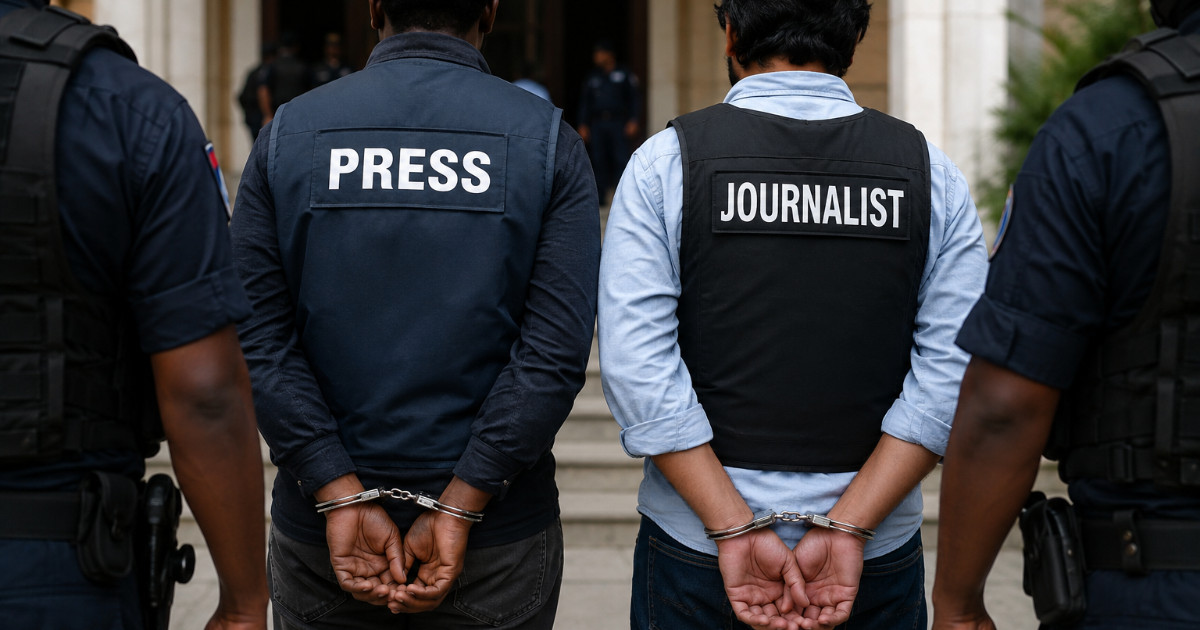
Afghan media group condemns journalist arrests in Islamabad — The Afghanistan Media Support Organization condemned the arrest of four Afghan journalists and the forced expulsion of another from Islamabad. It called the actions illegal and urged authorities to ensure journalists’ safety.
Editors Guild urges India, Pakistan to lift news site bans — The Editors Guild of India has urged both India and Pakistan to remove restrictions on news websites, warning that cross-border bans undermine public access to information and democratic debate.
Middle East Media
Iran imposes nationwide internet disruption during protests — Iran experienced widespread internet disruptions amid protests linked to economic hardship, according to NetBlocks. The outage limited access to information during a period of political tension.
Turkey marks Working Journalists’ Day — Turkey observed Working Journalists’ Day on January 10, with official messages recognizing journalists’ role in public life. Tributes also honored reporters killed while covering conflict zones.
Israeli minister files record libel suit against Channel 12 — Israel’s Economy Minister Nir Barkat has filed a libel suit seeking 12 million shekels ($3 million) against Channel 12 News over an investigative report. Media observers warn the case could chill investigative journalism.
Platforms and technology
Semafor raises $30 million for global expansion — Digital news startup Semafor has raised $30 million, valuing the company at about $330 million. The funding supports expansion amid growing competition for global news audiences.
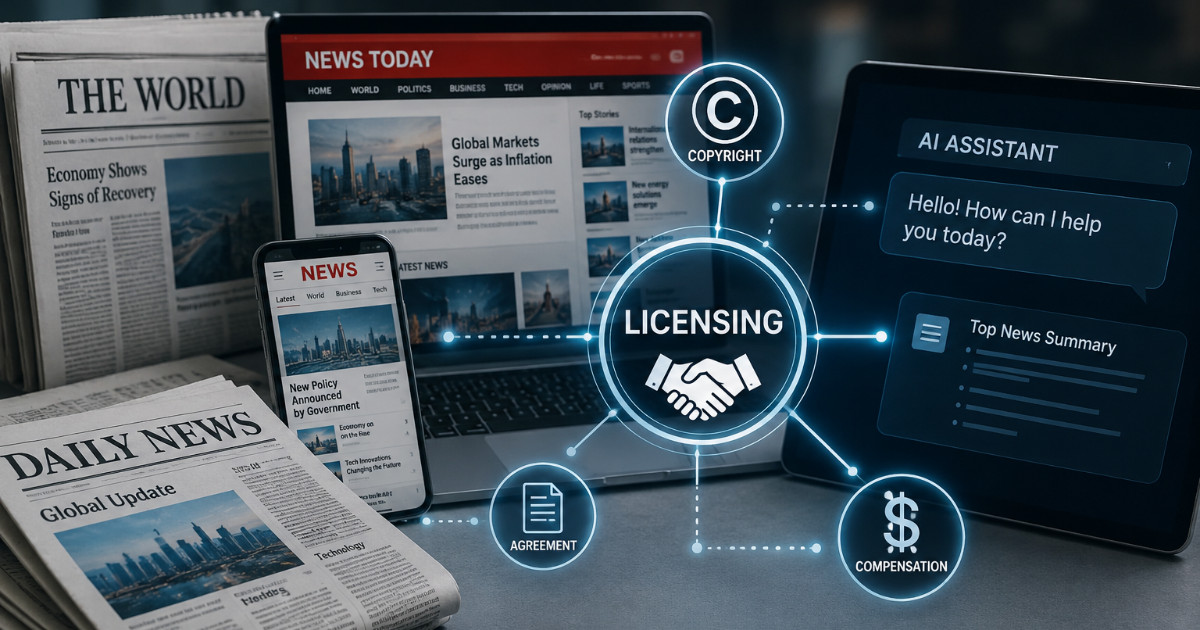
AI search summaries threaten news referral traffic — Publishers warn that AI-generated search summaries are reducing traffic to news sites by answering queries directly on platforms. The shift raises fresh concerns about the sustainability of digital journalism.
Press freedom and journalist safety
Asia’s climate reporters face higher safety risks — A Reuters Institute study finds climate and environmental reporters in Asia face higher physical risks than peers elsewhere. Coverage often intersects with powerful political and economic interests.
FBI search of Washington Post reporter’s home sparks concern — U.S. federal agents searched the home of Washington Post reporter Hannah Natanson in a leak investigation. Press freedom groups warn the move could have chilling effects on national security reporting.
Canadian photojournalist Amber Bracken testifies in key case — Photojournalist Amber Bracken testified in a case watched closely by press freedom advocates. The outcome could shape how journalists are treated while covering protests and police actions.
Why this matters
Across regions, control over information is shifting, from governments to courts, from legacy newsrooms to independent journalists, and from publishers to platforms and AI systems. Legal pressure, digital disruption, and political scrutiny are redefining the risks of reporting. For Pakistani journalists, these global trends underline the importance of safeguarding editorial independence, preparing for platform-driven change, and staying alert to how press freedom is being reshaped beyond national borders.
PHOTO: By Gerd Altmann from Pixabay
Key Points
- Media power is increasingly shifting away from traditional newsrooms toward independent, exile-based, and digital-first journalism.
- Legal, political, and regulatory pressure on journalists is intensifying across multiple regions.
- Economic strain continues to challenge newsroom sustainability and long-term viability.
- Platforms and artificial intelligence are reshaping how information is distributed and controlled.
- Press freedom risks are growing, particularly for investigative, climate, and national security reporters.
- These trends carry direct implications for Pakistani journalists navigating censorship, technological change, and editorial independence.
Relevant Topics
Ask AI: Understand this story your way
AI EnabledDig deeper, ask anything — get instant context, background, and clarity.
Disclaimer: This feature is powered by AI and is intended to help readers explore and understand news stories more easily. While we strive for accuracy, AI-generated responses may occasionally be incomplete or reflect limitations in the underlying model. This feature does not represent the editorial views of JournalismPakistan. For our full, verified reporting, please refer to the original article.