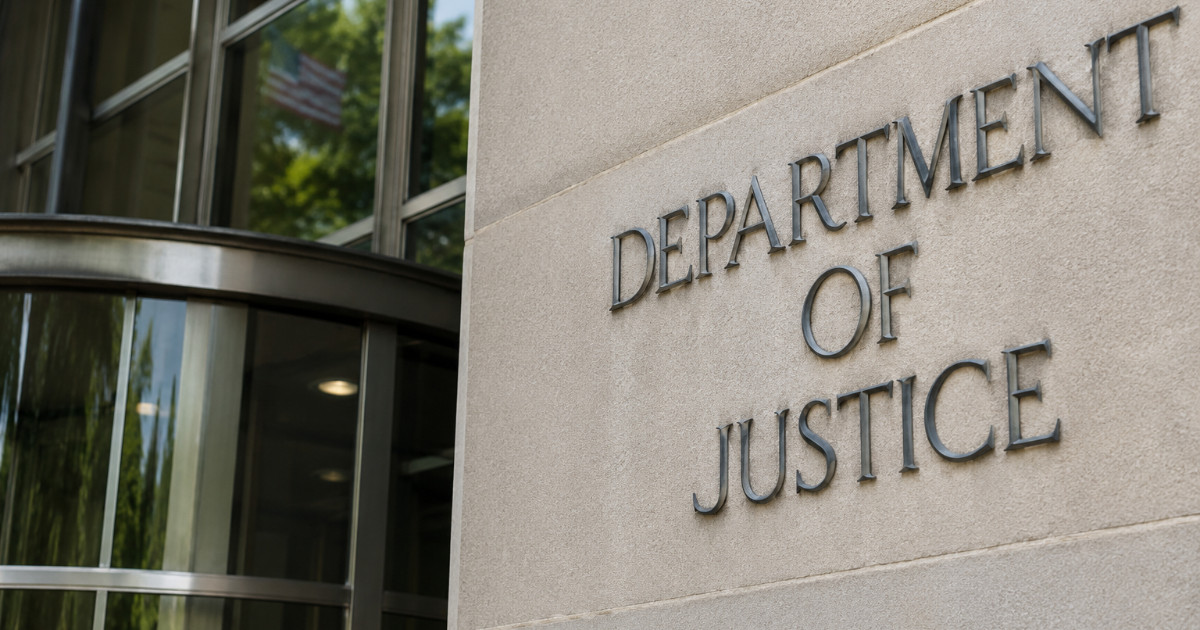

Tennessee court expands media access to executions
JournalismPakistan.com | Published: 17 January 2026 | JP Global Monitoring Desk
Join our WhatsApp channel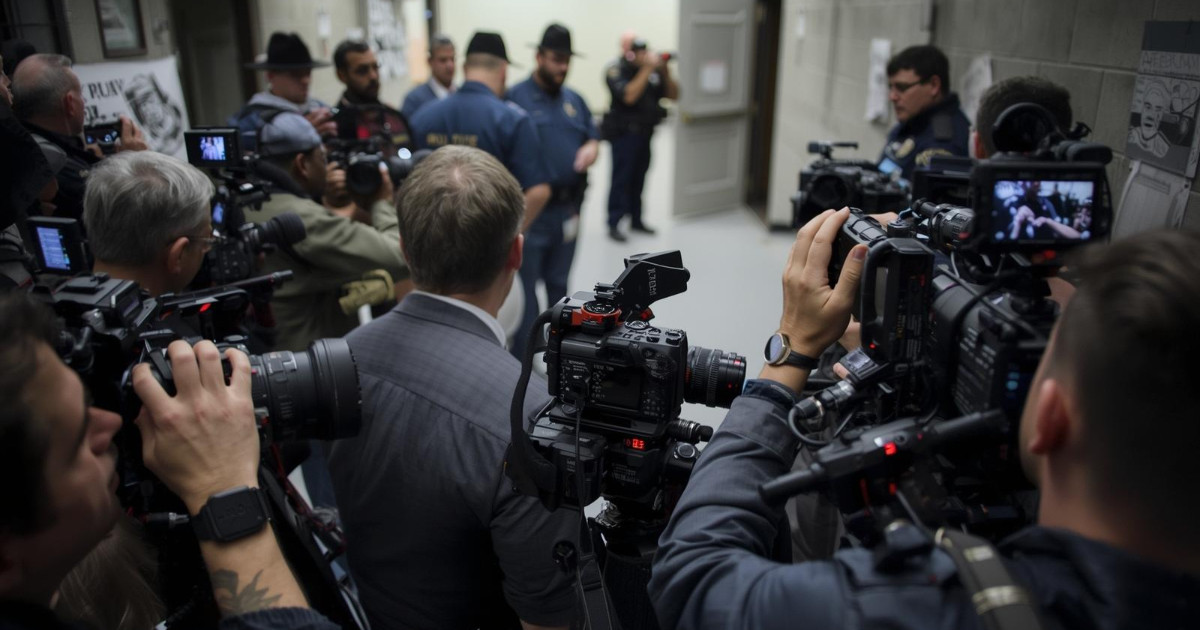
A Tennessee judge granted a temporary injunction requiring prison officials to allow broader media access to state executions, keeping curtains open during key procedures until death is pronounced while mandating protections for execution team identities.Summary
NASHVILLE, Tenn — A Tennessee judge has ruled that prison officials must allow broader media access to state-run executions, granting a temporary injunction in a case brought by a coalition of news organizations challenging restrictive protocols. The lawsuit argued that current procedures limited reporters to a brief window during executions, preventing comprehensive and accurate coverage and impairing public understanding of how capital punishment is carried out.
The decision, issued by Chancellor I’Ashea L. Myles in Davidson County Chancery Court, requires that curtains remain open from the start of key procedures until the pronouncement of death, a significant shift from earlier practice in which media could only observe a narrow glimpse of the process. The ruling emphasizes the role of transparent reporting in democratic oversight of government actions and the criminal justice system.
Tennessee prison officials had defended the restrictions on security grounds and contended that the First Amendment does not guarantee special access beyond what is available to the public. The judge’s order also includes security measures for protecting the identities of execution team members. The expanded access applies to executions carried out by the Tennessee Department of Corrections. The Associated Press and other media outlets in the coalition hailed the ruling as a victory for press freedom and transparency in reporting on state executions.
Background of the lawsuit and media access limits
The lawsuit was filed last year in Davidson County by The Associated Press and several other news organizations, asserting that Tennessee’s execution protocols unconstitutionally restricted media access and hindered the press’s ability to report fully on executions. Under earlier procedures, reporters could only see part of the process, often once the condemned was already restrained on a gurney and hooked to intravenous lines, missing when lethal drugs were administered and subsequent steps. The coalition argued that the limited viewing window violated both constitutional and statutory rights to witness the full execution from entry into the chamber until the pronouncement of death. The judge’s order reflects findings that comprehensive observation is essential for the public to assess whether the state conducts executions lawfully and humanely.
Details of the court ruling and required procedures
Under Myles’ temporary injunction, media representatives and other witnesses will be permitted to view most of the execution process, with security measures such as execution team members wearing protective suits and optional masks to conceal identity. The order mandates that curtains to the official witness room be opened at 10 a.m. during lethal injection executions and remain open until the conclusion of the procedure, allowing journalists to observe the majority of the steps. Prison officials had argued that broader access could compromise security and that the First Amendment does not grant specialized access to information not generally available to the public. The court rejected those claims in granting expanded access, underlining the importance of transparency and democratic oversight of capital punishment protocols.
ATTRIBUTION: Reporting compiled from the Associated Press, ABC News, Bangor Daily News, and KSAT.
PHOTO: AI-generated; for illustrative purposes only
Key Points
- Chancellor I'Ashea L. Myles ordered curtains remain open from the start of key procedures until the pronouncement of death.
- The temporary injunction expands media access to executions carried out by the Tennessee Department of Corrections.
- The order includes security measures designed to protect the identities of execution team members.
- The lawsuit was filed by a coalition of news organizations, including The Associated Press, challenging restrictive observation protocols.
- Tennessee officials had argued restrictions were needed for security and contended the First Amendment does not guarantee special access.
Ask AI: Understand this story your way
AI EnabledDig deeper, ask anything — get instant context, background, and clarity.
Disclaimer: This feature is powered by AI and is intended to help readers explore and understand news stories more easily. While we strive for accuracy, AI-generated responses may occasionally be incomplete or reflect limitations in the underlying model. This feature does not represent the editorial views of JournalismPakistan. For our full, verified reporting, please refer to the original article.